
From April 25–29, Label STEP joins the first COVER Connect Pop-Up during High Point Market. Presented by COVER Magazine, the event brings together a select group of leading rug brands to create a focused setting for exchange around craftsmanship, materials, and responsible production—placing Label STEP and its partners at the center of a broader industry conversation.

A Shared Platform for Industry Dialogue
In late April, COVER Magazine will host the inaugural COVER Connect Pop-Up, an exclusive gathering for buyers and industry professionals within the handmade rug sector. Held during High Point Market and positioned adjacent to 313 Space—one of the fair’s most dynamic curated areas—the event offers a dedicated, design-focused environment where buyers and industry professionals can engage directly with a premier selection of international rug brands and explore their latest collections.
At Russell 112, Floor 1, Label STEP and its Certified Partners—Creative Matters, Tamarian, SAMAD and Wool & Silk Rugs—present a collective perspective on the handmade carpet sector. Alongside Anadol Rugs, these exhibitors contribute to a broader conversation on craftsmanship, material processes, and responsible production across the handmade rug value chain. The Pop-Up’s collaborative atmosphere will offer STEP and like-minded partners a valuable opportunity to connect and strengthen partnership across the industry.
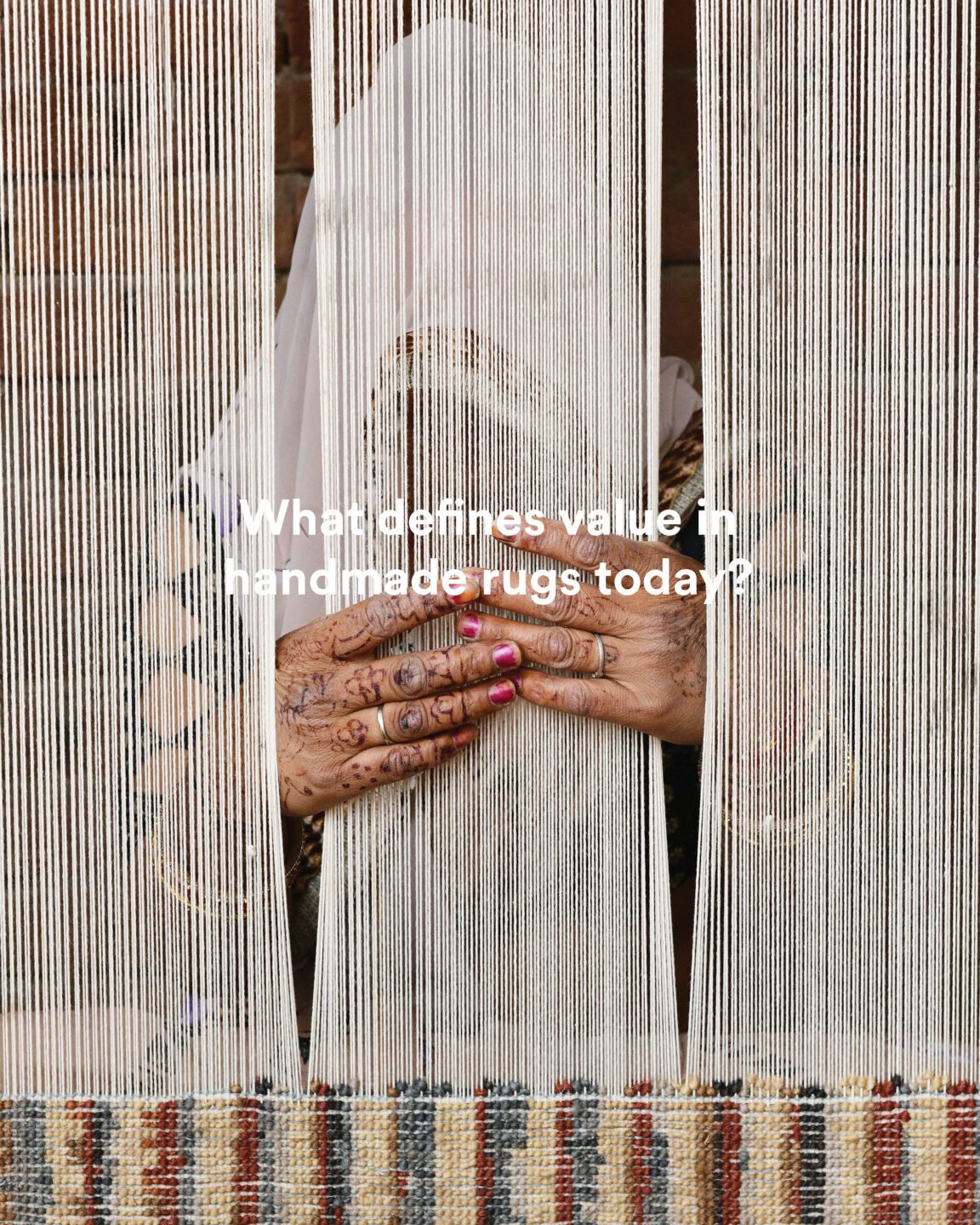
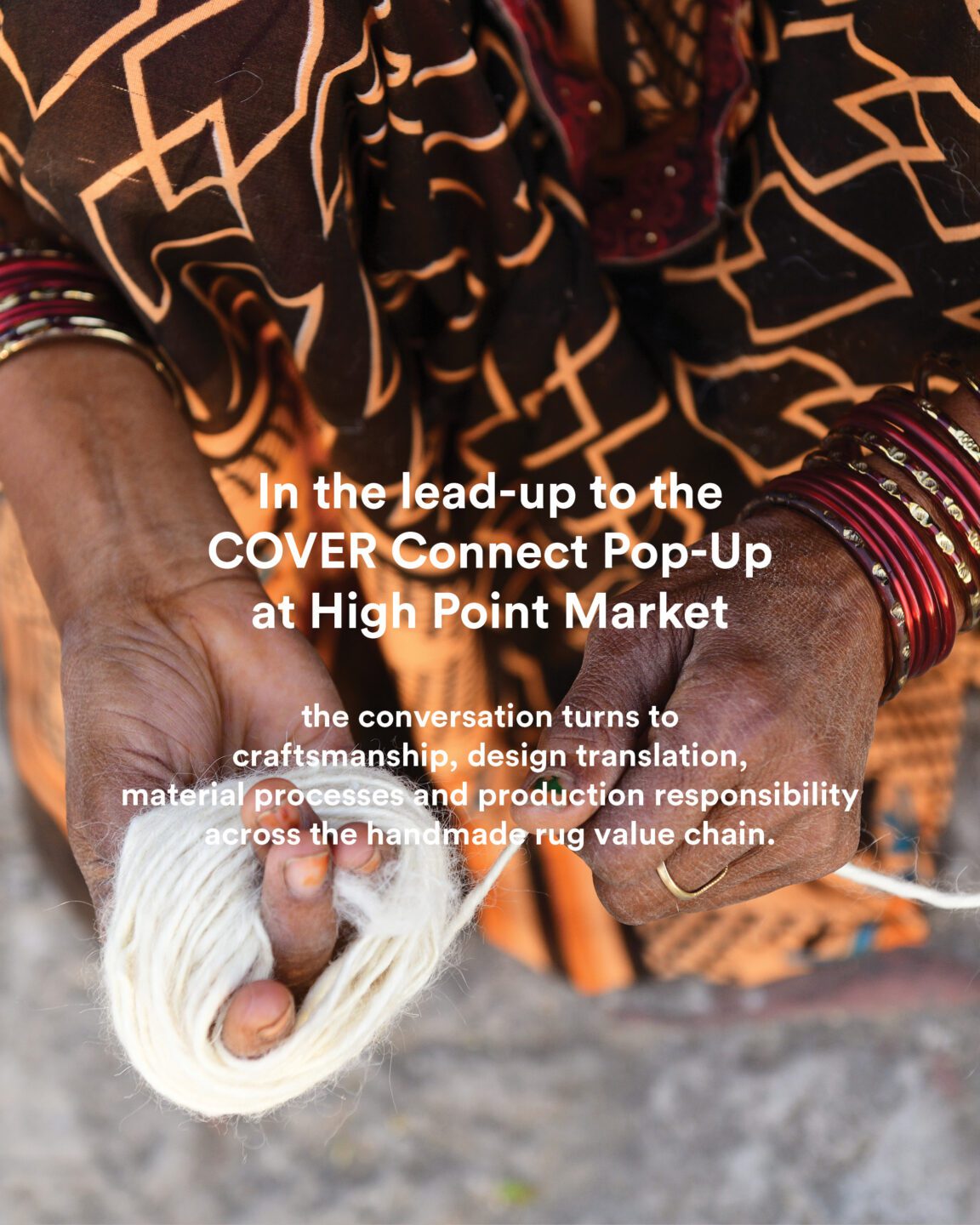
Two central moments of the programme that highlight this spirit of collaboration include the roundtable hosted by Creative Matters and Label STEP, Crafted for the Future: How Sustainability and Artisan Skill Are Redefining Luxury (Sunday, April 26, 3-4 PM) and the ensuing COVER Pop-Up Social (Sunday, April 26, 4–7 PM). Further details on these events can be found at the end of the article.
Craftsmanship as Knowledge and Continuity
The future of handmade carpets depends not only on preserving skills, but on creating the conditions for them to endure. While production remains rooted in specific regions, global demand places increasing pressure on systems that rely on highly specialised labour.
As handmade carpets are increasingly positioned as luxury objects, their value is inseparable from the human skill they embody. Sustaining this ecosystem requires more than recognition of craftsmanship—it depends on whether the industry actively supports fair working conditions, viable incomes and long-term opportunities that encourage younger generations to remain in the craft. As Georgia Pahl of Wool & Silk Rugs notes, “Behind every handmade rug is a community of master weavers whose skill has been built and sustained over time,” continuing “protecting our weavers is vital to the survival of the industry.”
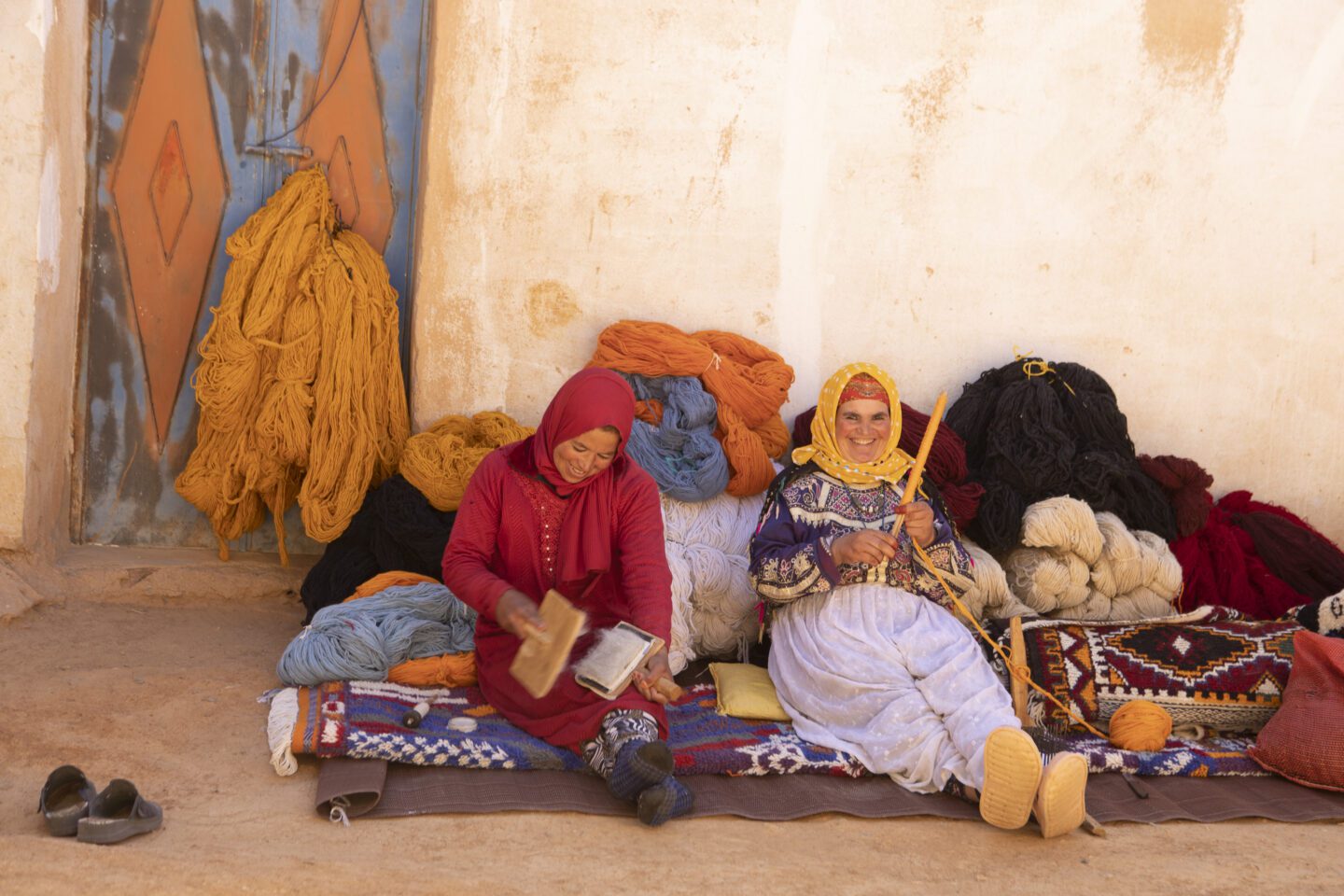
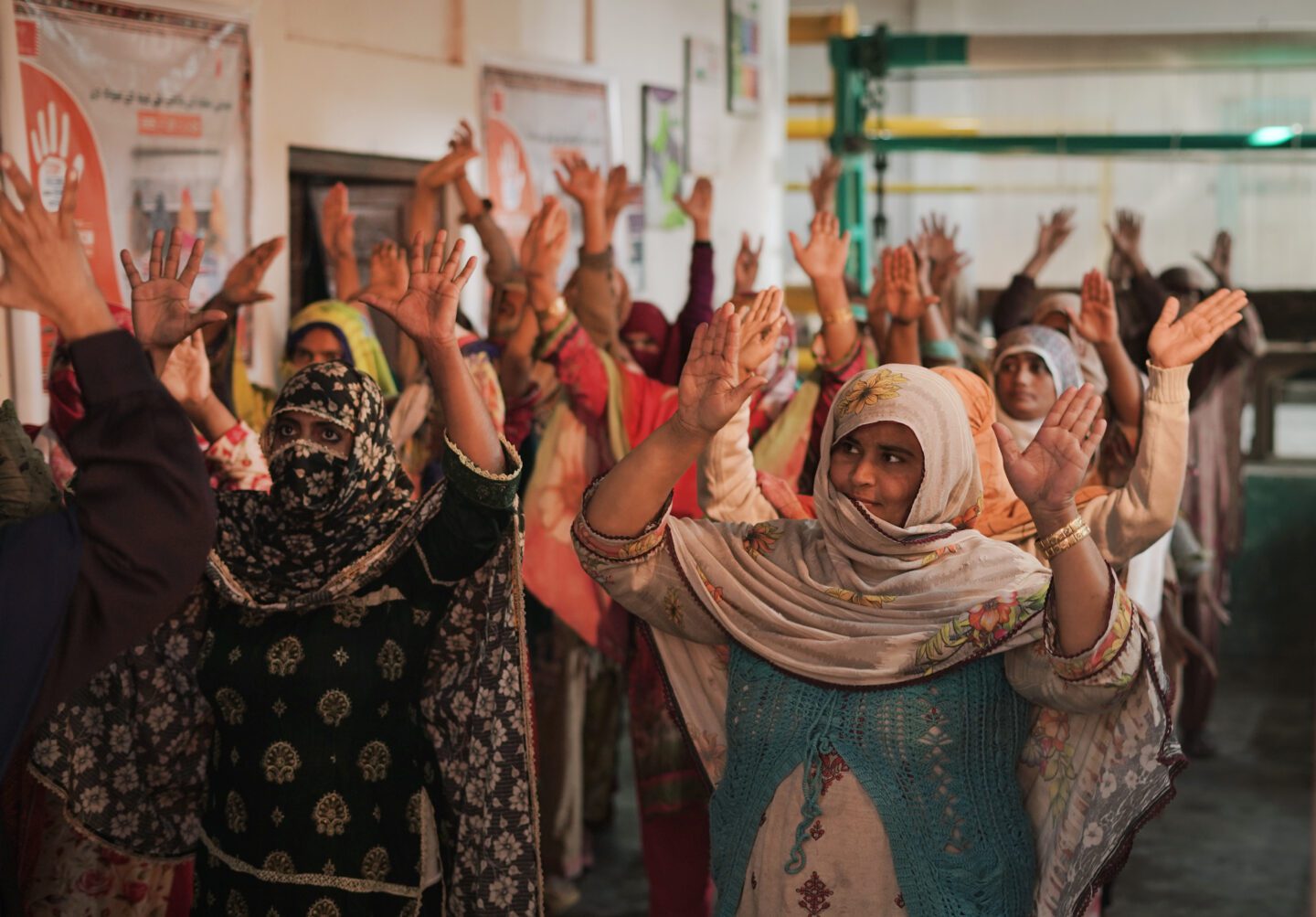
Through its work across nine countries, Label STEP supports this continuity by monitoring working conditions, establishing living wage benchmarks and implementing targeted programmes that strengthen worker knowledge, rights and resilience. At the centre of this is the Weaver Empowerment programs, which addresses needs identified at community level—from labour rights and financial literacy to health, education and well-being.
For partners such as Tamarian, this framework is central to how responsible production is implemented in practice. “Becoming a STEP partner was one of the first and most important choices I made after purchasing Tamarian,” says Ryan Higgins, Principal Owner of Tamarian. “Their holistic approach to fair-trade certification embodies our core values of beauty and integrity in all aspects of our business. They provide a framework that supports and uplifts the very people who make our industry possible.”
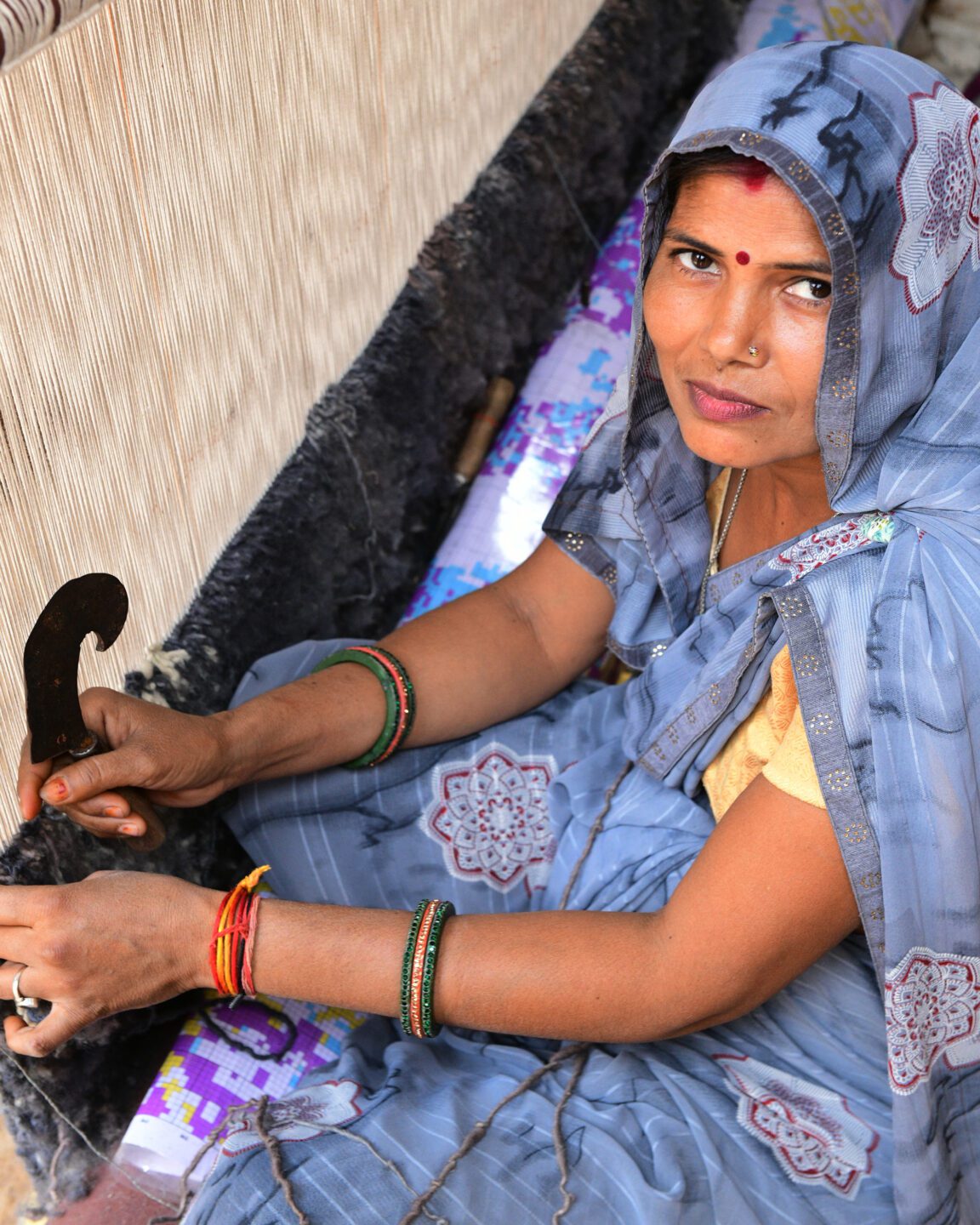
In 2025 alone, more than 16,000 weavers and workers participated in these initiatives, combining training, counselling, and technical support to ensure that knowledge is not only preserved, but actively carried forward.
“Behind every handmade rug is a community of master weavers whose skill has been built and sustained over time. Protecting our weavers is vital to the survival of the industry.”
– Georgia Pahl, Wool & Silk Rugs
Materials, Resources, and Responsibility
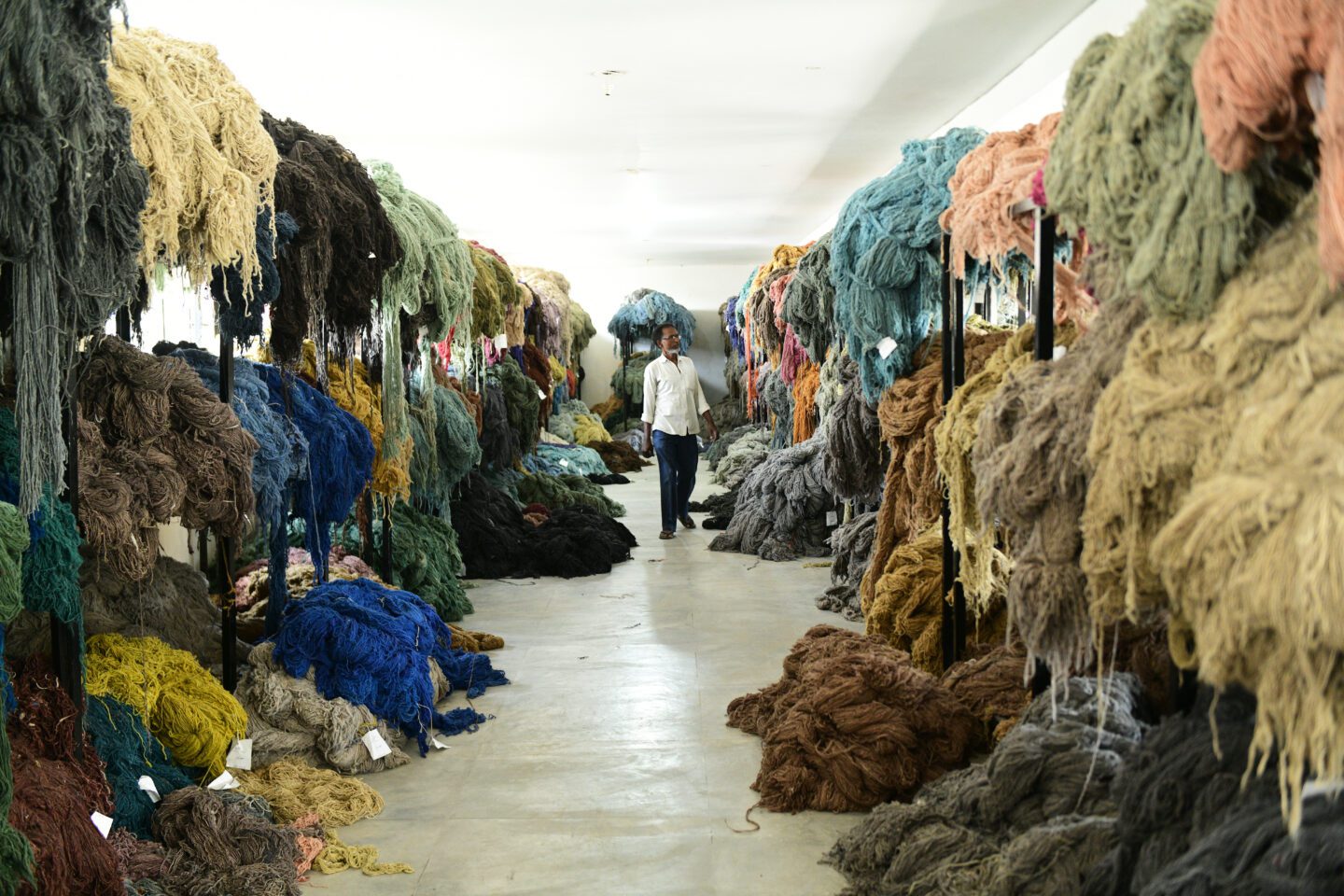
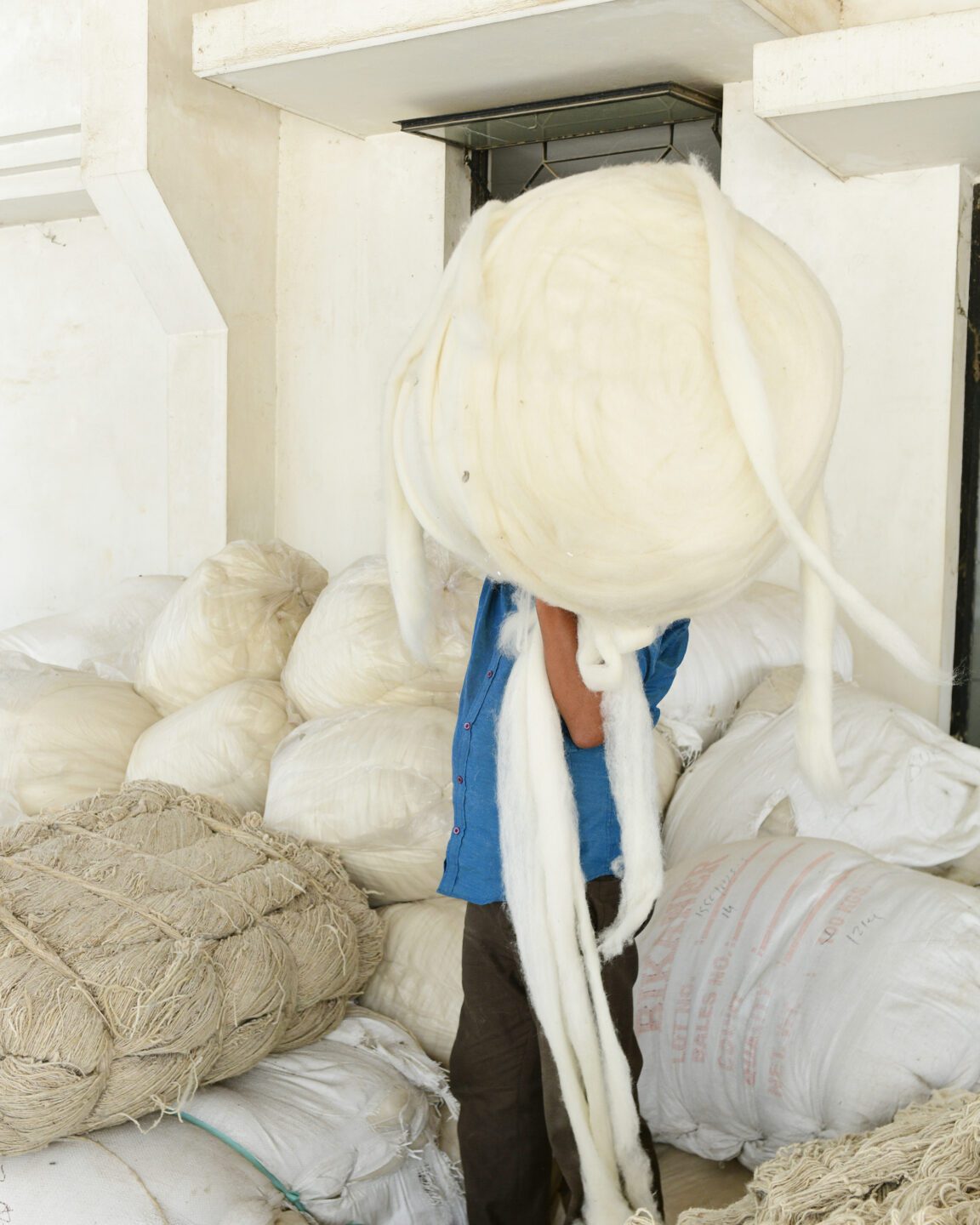
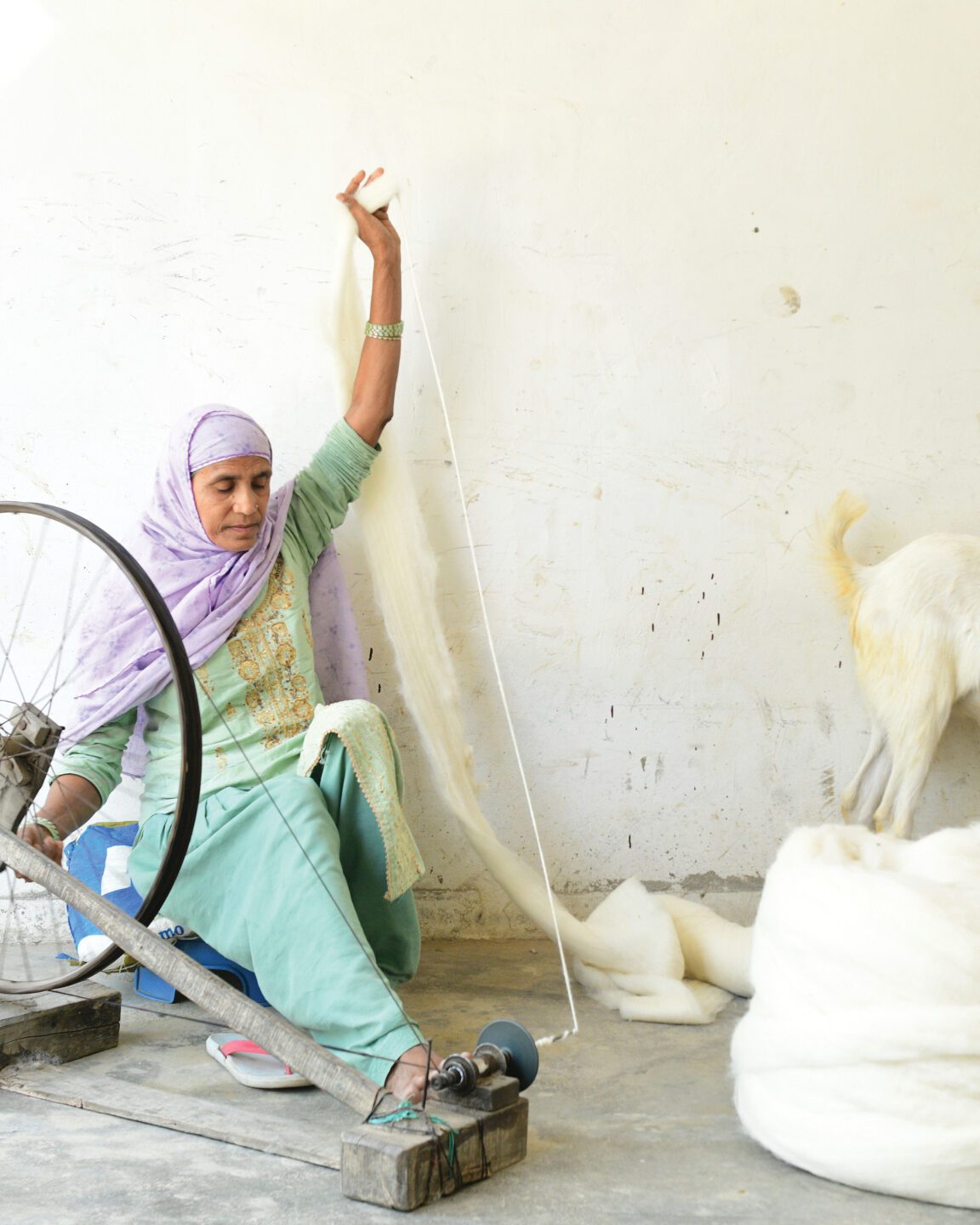
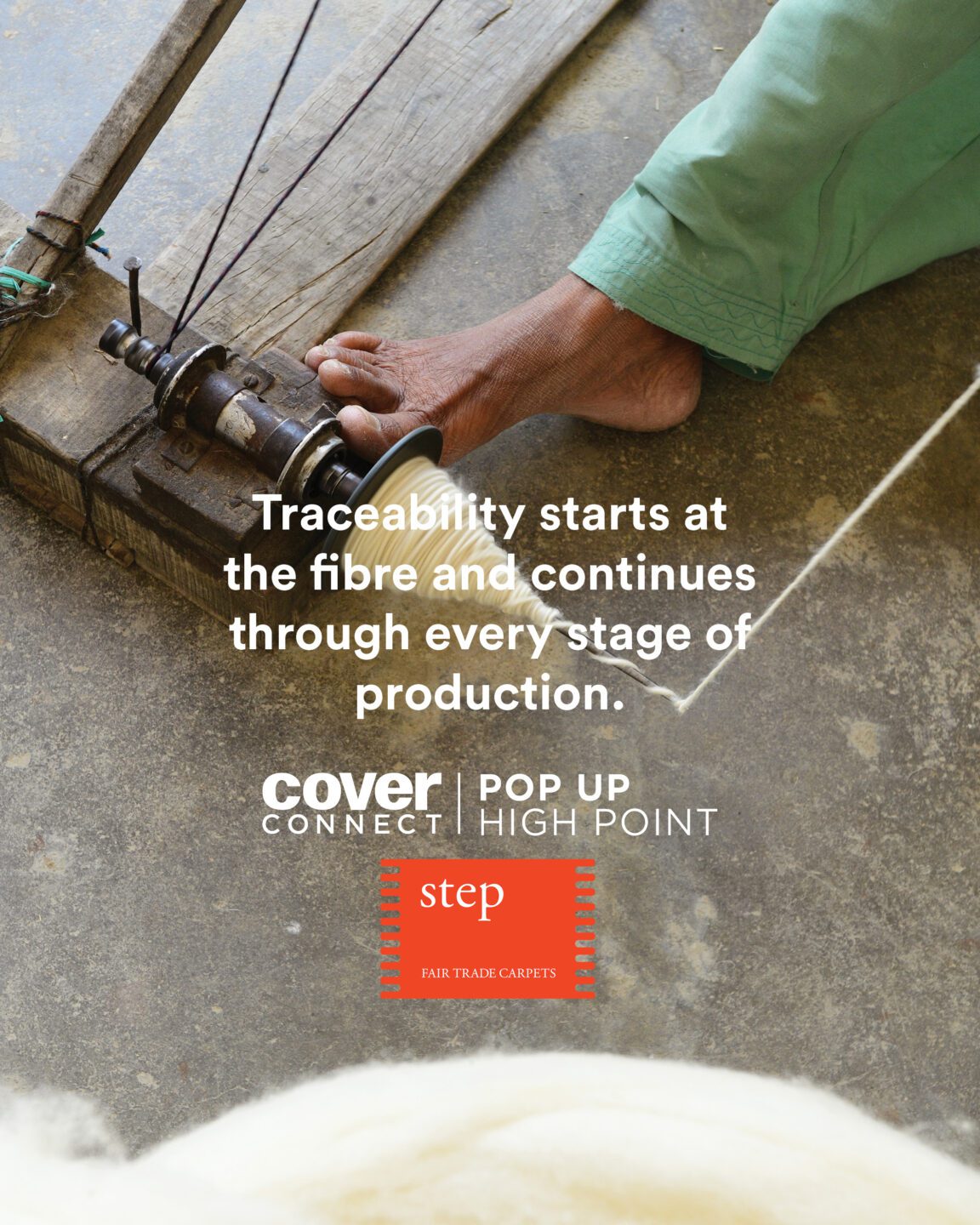
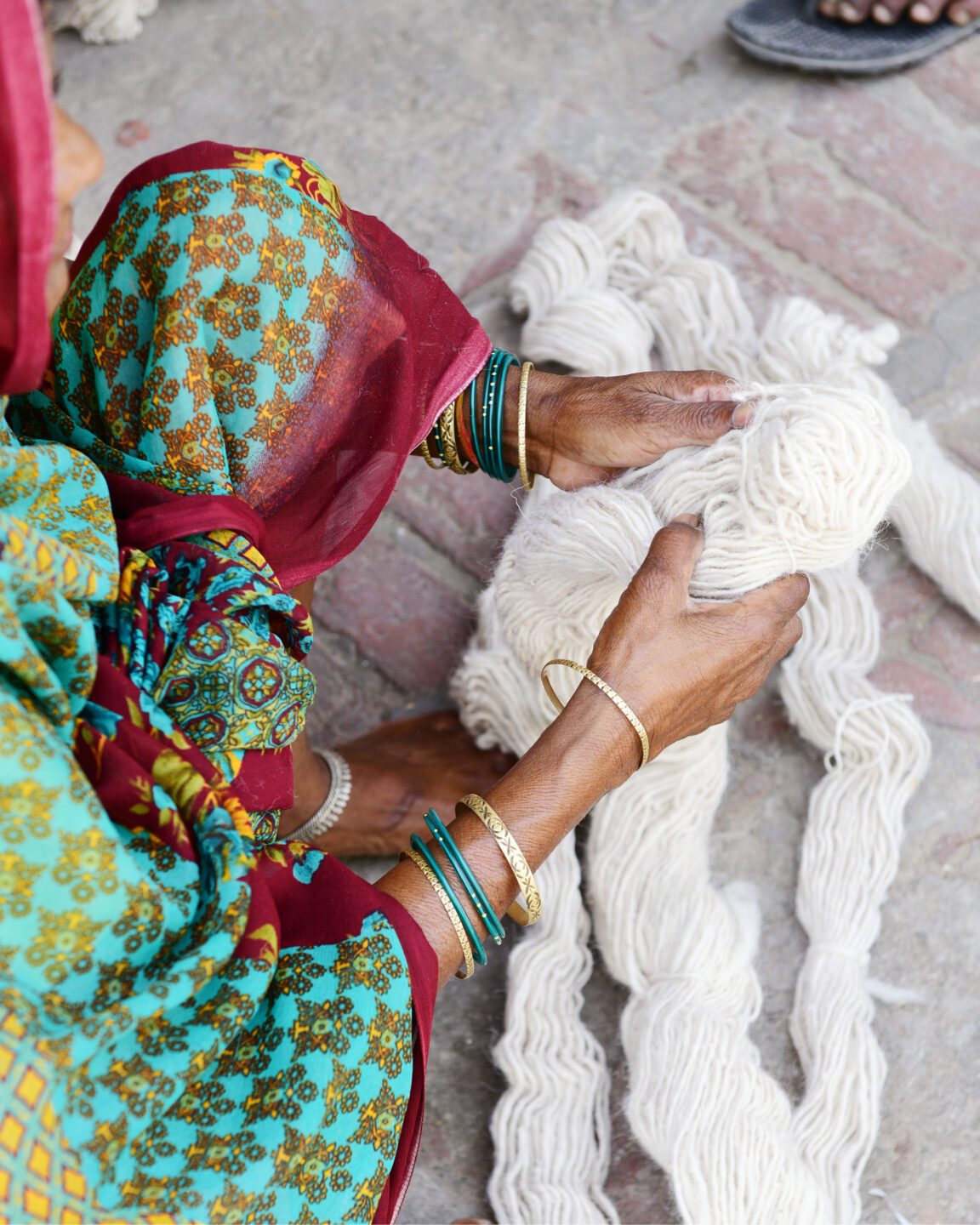
At High Point, the conversation will also turn to the foundation of every handmade carpet: its materials. Natural fibres such as wool, silk, cotton, nettle, hemp, or jute are not only central to the aesthetic and durability of a piece—they are deeply embedded in local ecosystems and knowledge systems. From herding to spinning and dyeing, these materials reflect region-specific expertise shaped over time.
As such, material value cannot be separated from how and where production takes place. Ensuring this system operates responsibly requires transparency, long-term commitment, and measurable standards across the supply chain. For partners such as SAMAD, this visibility is essential: “Label STEP brings transparency to our supply chain, helping us recognize where we excel and where we must do better,” says Jennifer Samad.
“Label STEP brings transparency to our supply chain, helping us recognize where we excel and where we must do better.”
– Jennifer Samad, Marketing Manager, SAMAD
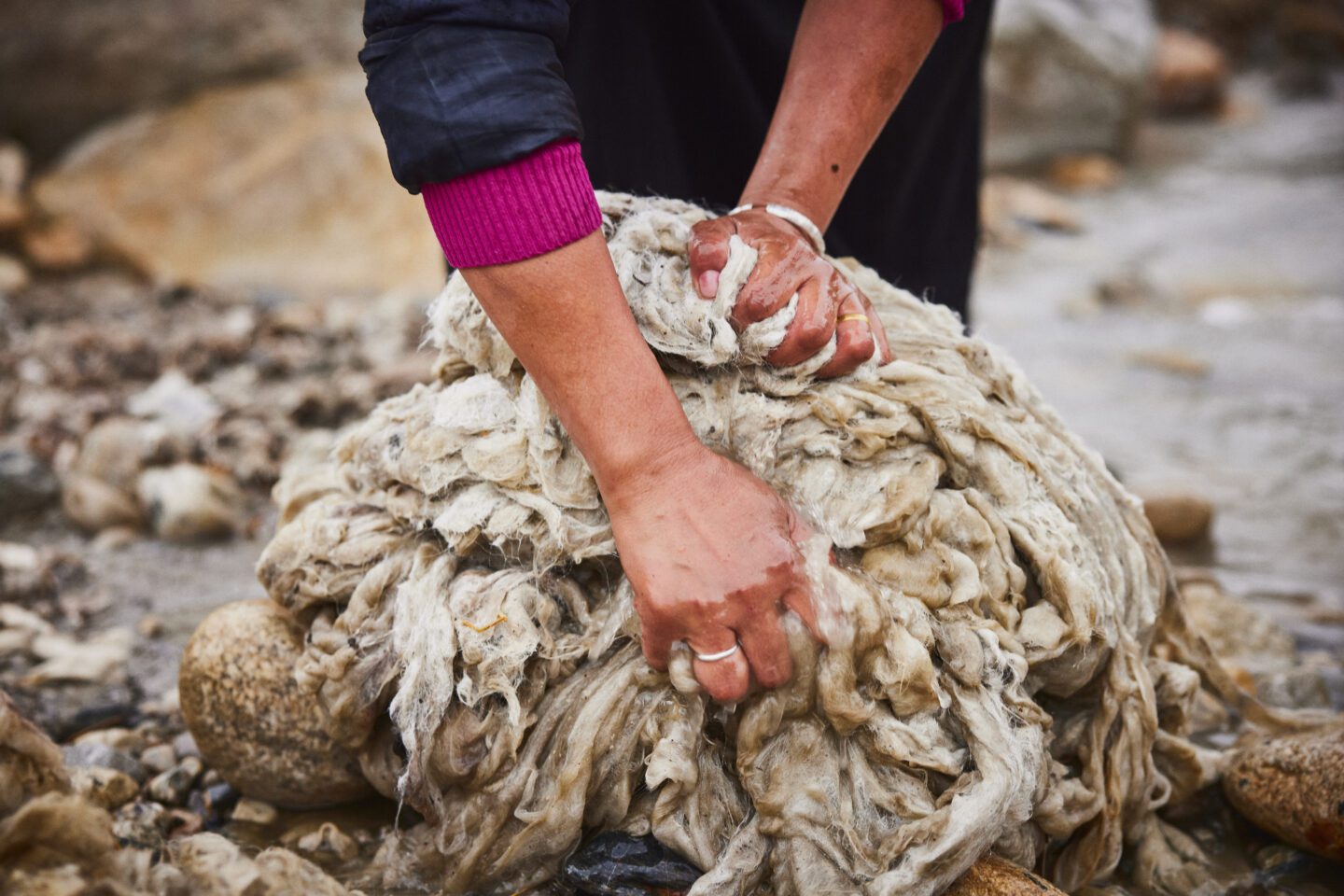
As global demand for handmade carpets continues, the responsible use of these resources becomes increasingly important. Working with locally available, renewable natural fibres supports regional economies and helps maintain traditional production systems, while also reducing environmental impact when responsibly sourced and managed. Understanding how materials are processed is equally important. Dyeing and washing, in particular, require careful management of water and energy, linking environmental impact directly to technical knowledge and production practices.
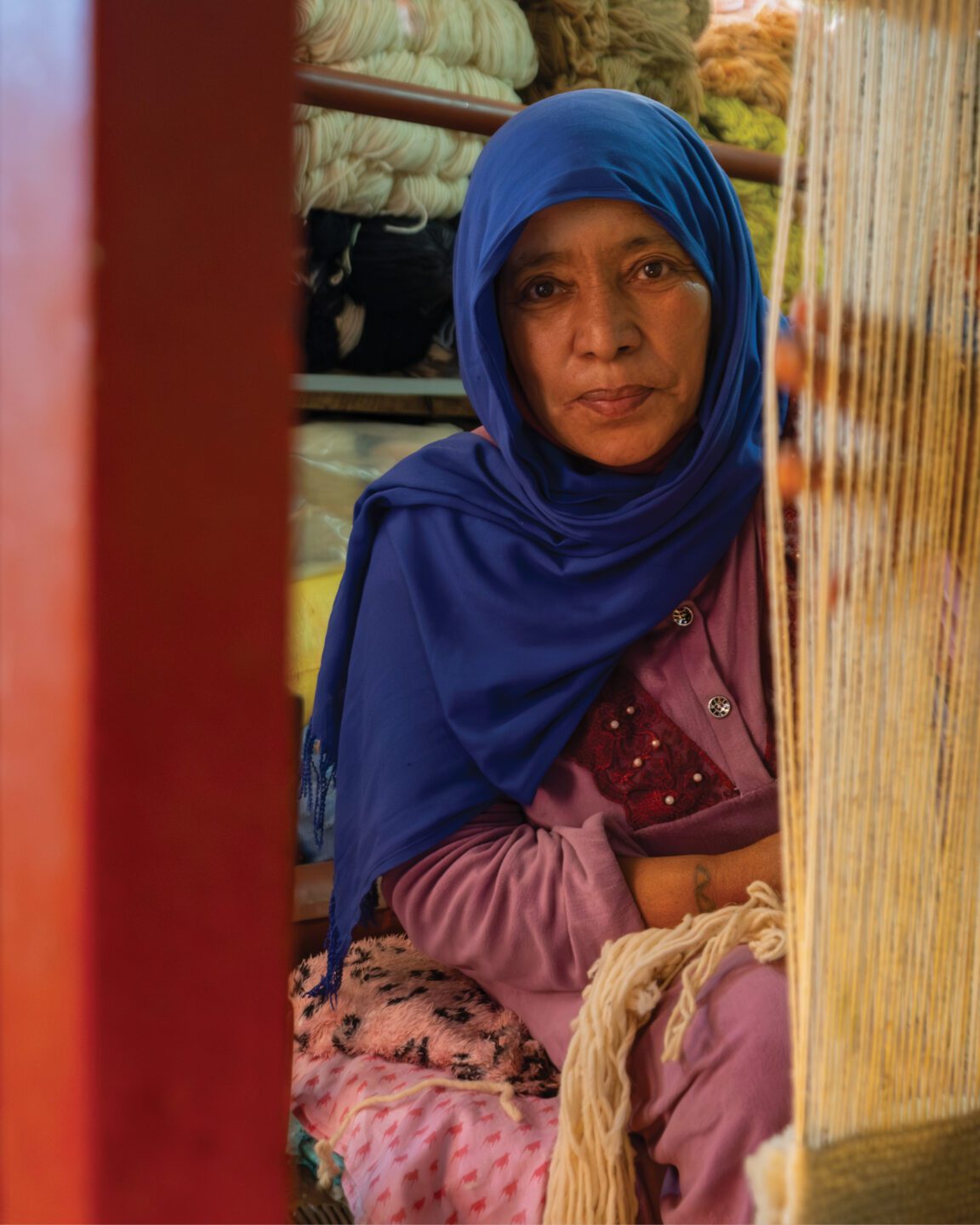
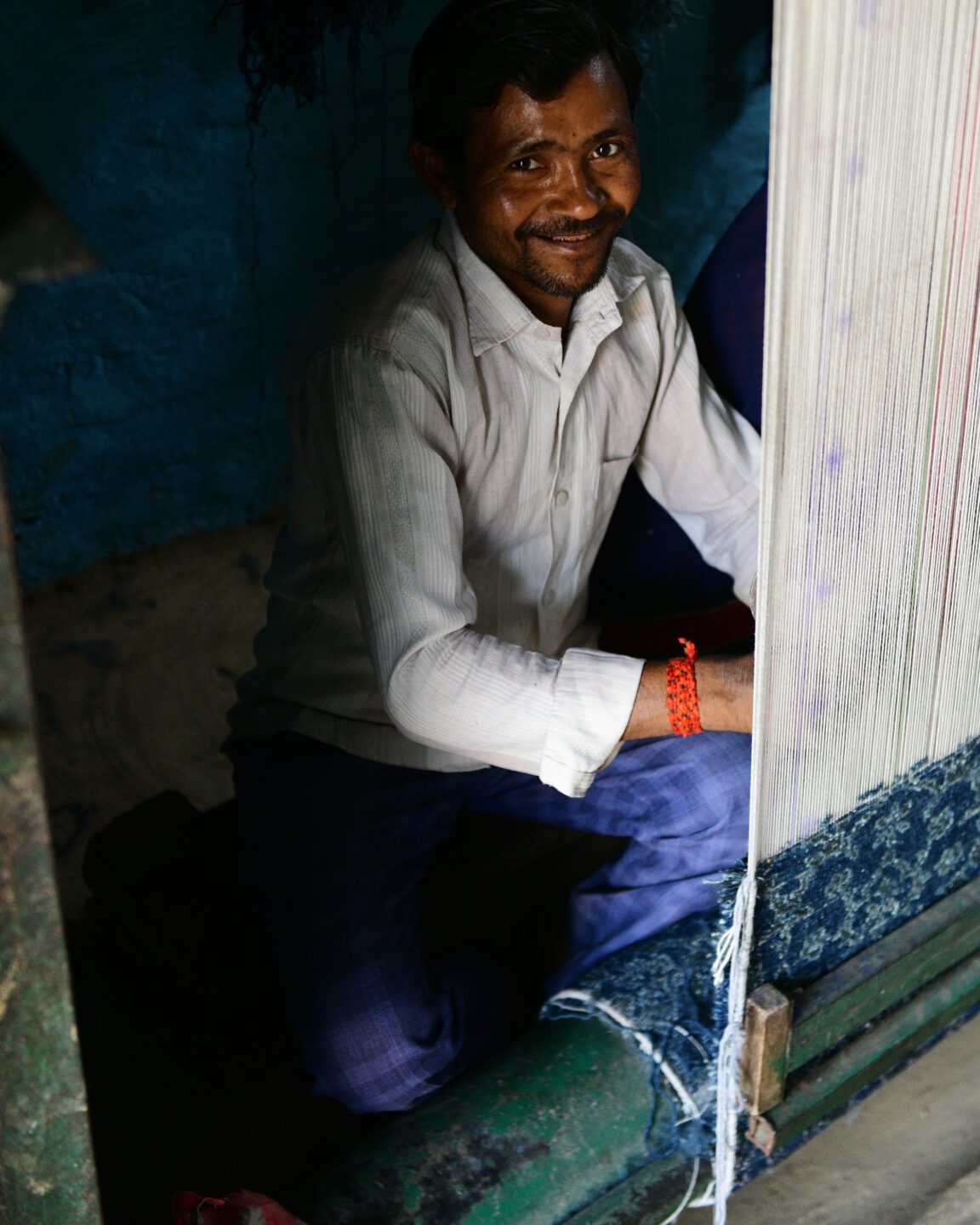
Label STEP works with its partners to strengthen traceability across the supply chain—from fibre origin to finished carpet—while supporting targeted improvements in areas where environmental impact is most significant. In this context, materials are no longer neutral inputs, but active contributors to value. Their origin, handling and traceability shape how quality, sustainability and ultimately luxury are defined.
“Becoming a STEP partner was one of the first and most important choices I made after purchasing Tamarian. Their holistic approach to fair-trade certification embodies our core values of beauty and integrity in all aspects of our business. They provide a framework that supports and uplifts the very people who make our industry possible.”
– Ryan Higgins, Tamarian
Craft as Collaboration
Across the Pop-Up, craftsmanship will be presented not as a static tradition, but as an evolving and inherently collaborative process. The creation of a handmade carpet does not begin at the loom—it starts with material understanding and design development, and continues through multiple stages of specialised production.
For many Label STEP Partners, working closely across the value chain—from fibre sourcing to design and weaving—allows for a more integrated approach to quality and innovation. This proximity enables designers to engage directly with materials and techniques, while artisans contribute their deep practical knowledge to the creative process.
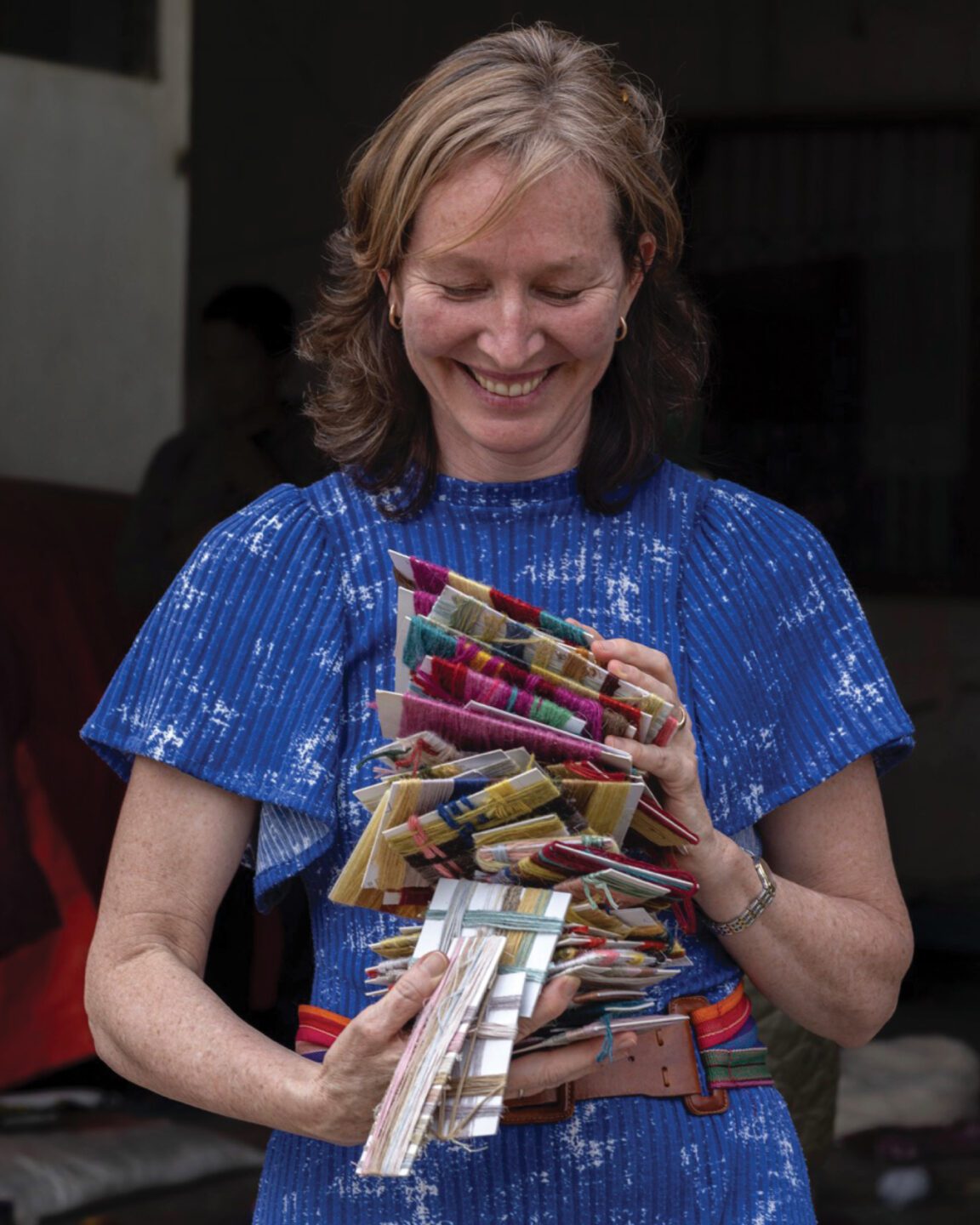
“Sustainability and craft are no longer optional—they are central to modern luxury.”
Ali McMurter, Creative Matters
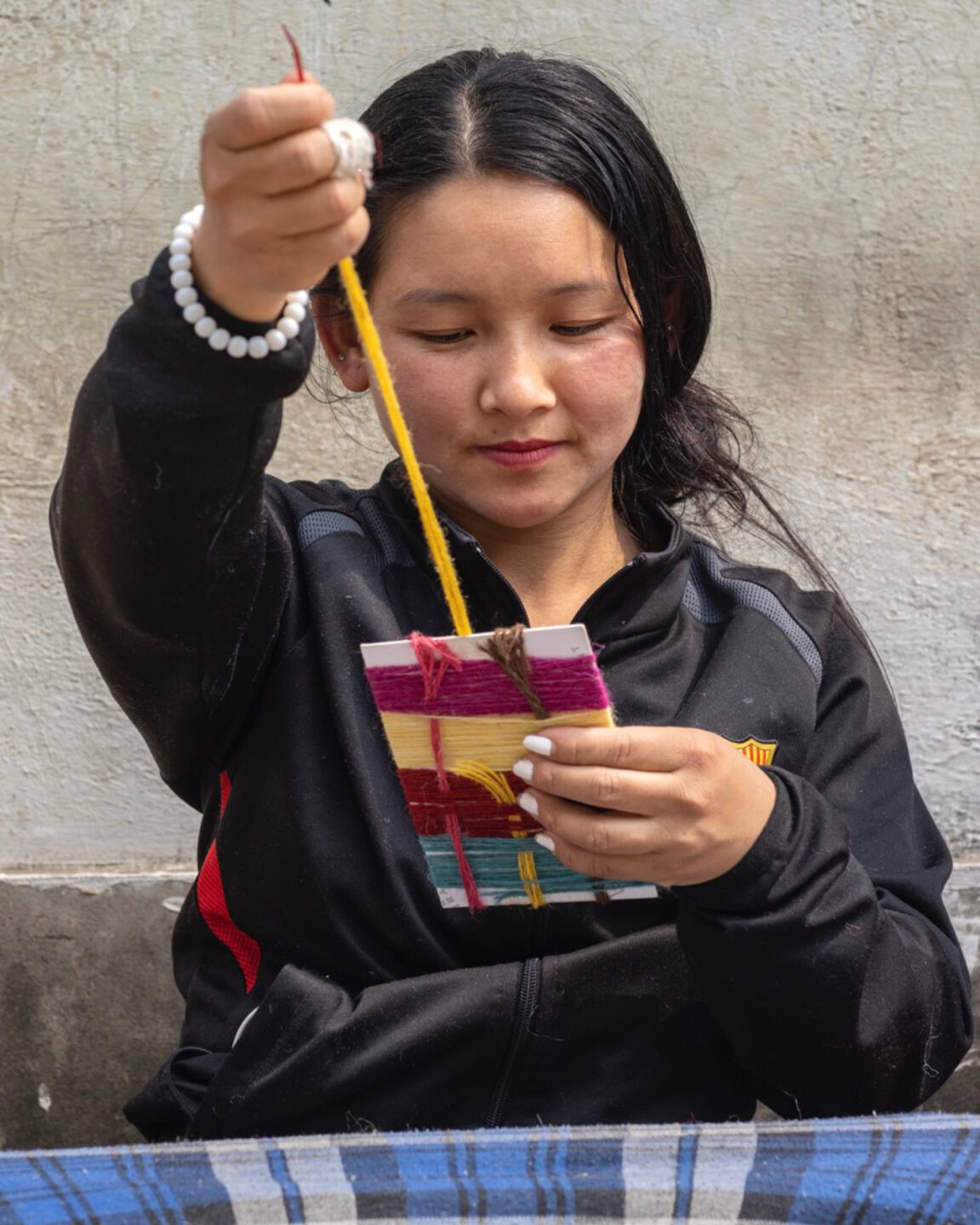
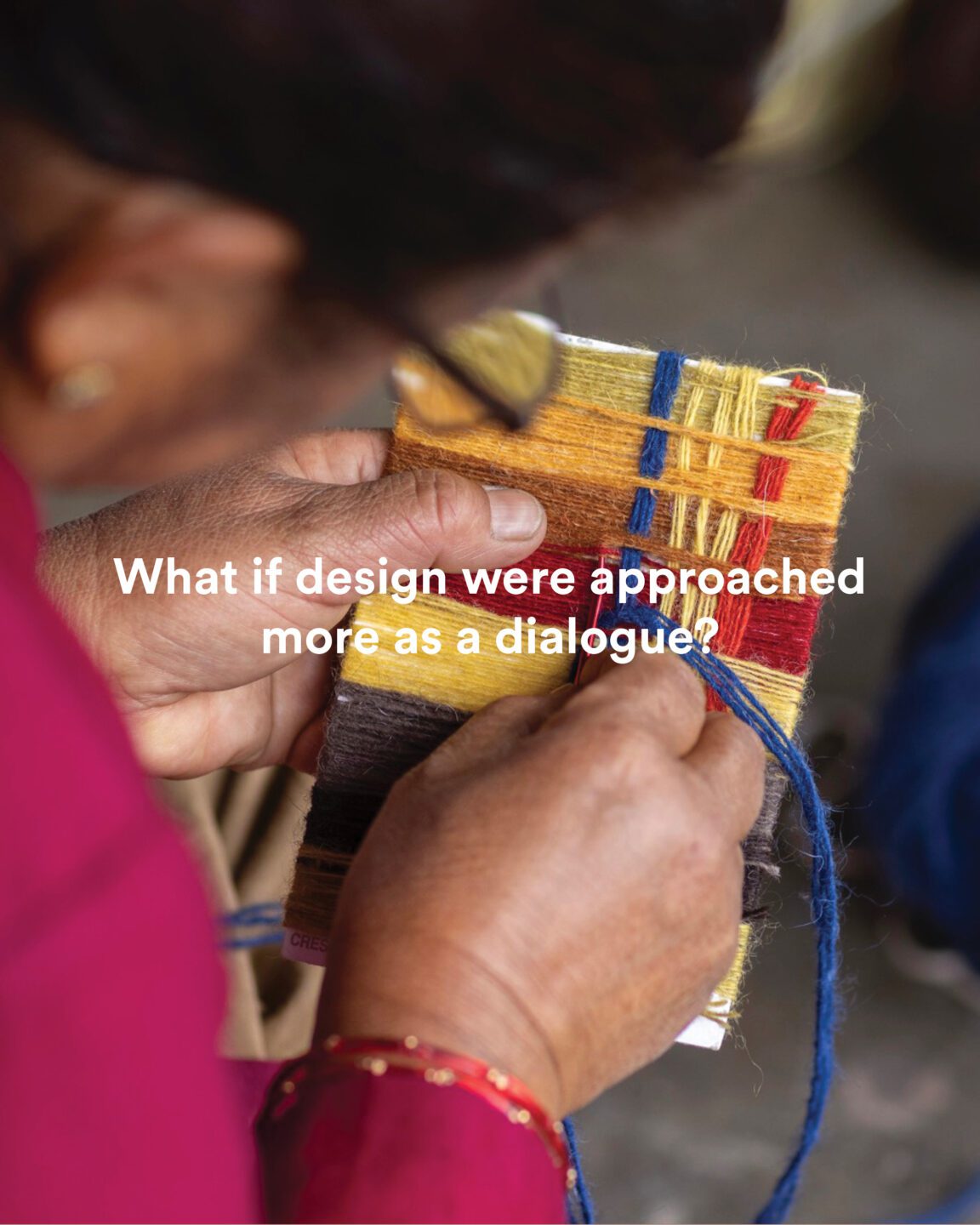
Initiatives such as Creative Matters’ Art Day illustrate this exchange. By bringing designers and weavers together to experiment with yarn, colour, and structure, the process becomes a dialogue rather than a one-directional act of execution. In this setting ,craftsmanship is both preserved and continuously developed and actively evolves through shared input and mutual understanding.
At High Point, this dialogue will be tangible as visitors are invited to engage directly with weaving techniques, offering insight into the time, skill, and coordination embedded in each piece—and the collaborative process behind it. As Ali McMurter of Creative Matters reflects: “Sustainability and craft are no longer optional—they are central to modern luxury.”
Extending the Conversation at High Point
Beyond the exhibition space, these themes continue through a series of dedicated moments at the COVER Connect Pop-Up.
A roundtable hosted by Creative Matters and Label STEP, titled Crafted for the Future: How Sustainability and Artisan Skill Are Redefining Luxury is sure to mark a central moment of the programme. Taking place on Sunday, April 26, from 3-4 PM, the session will be moderated by Ali McMurter, Managing Partner of Creative Matters, and Reto Aschwanden, Managing Director of Label STEP, and brings together Tamarian, Samad, Wool & Silk, and Anadol. It invites interior designers, rug importers and showroom representatives to explore how artisan skill, handmade craft and responsible materials are shaping the future of luxury.
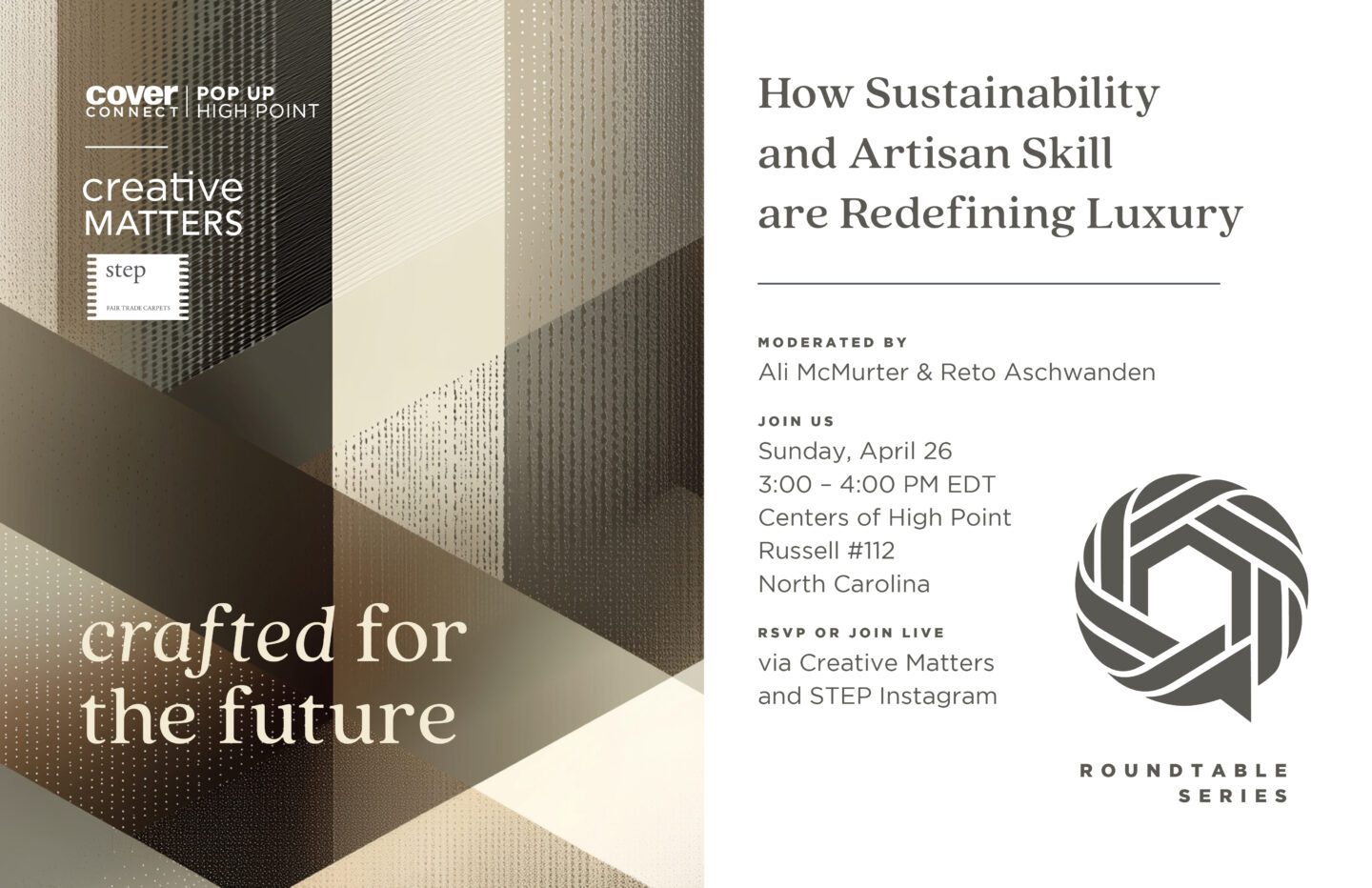
Through hands-on demonstrations—including carpet knotting on a small loom—and focused discussion, participants engage with key questions around sustainability and craftsmanship, from material integrity and longevity to the preservation of artisanal knowledge and greater transparency across production.
Following the roundtable, visitors are invited to connect with partners and peers during the COVER Social on Sunday, April 26, from 4–7 PM, creating an informal setting for connection during High Point Market.

At High Point, this shared perspective reinforces a broader shift: that the future of handmade carpets will be shaped as much by responsibility and collaboration as by design itself.

