
For generations, Himalayan nettle (locally known as allo) has been used by communities in Nepal to make clothing, ropes, and household textiles. The fibre has long been present in the country’s handmade carpet industry as well, typically blended with wool or silk. Today, however, manufacturers and designers are increasingly highlighting nettle in its own right, exploring its durability, distinctive texture, and local origins through carpets made entirely from Himalayan nettle–derived fibres. For Label STEP, its journey from forest to finished rug illustrates why the local resources, traditional knowledge, and rural livelihoods are integral to sustaining Nepal’s handmade carpet sector.
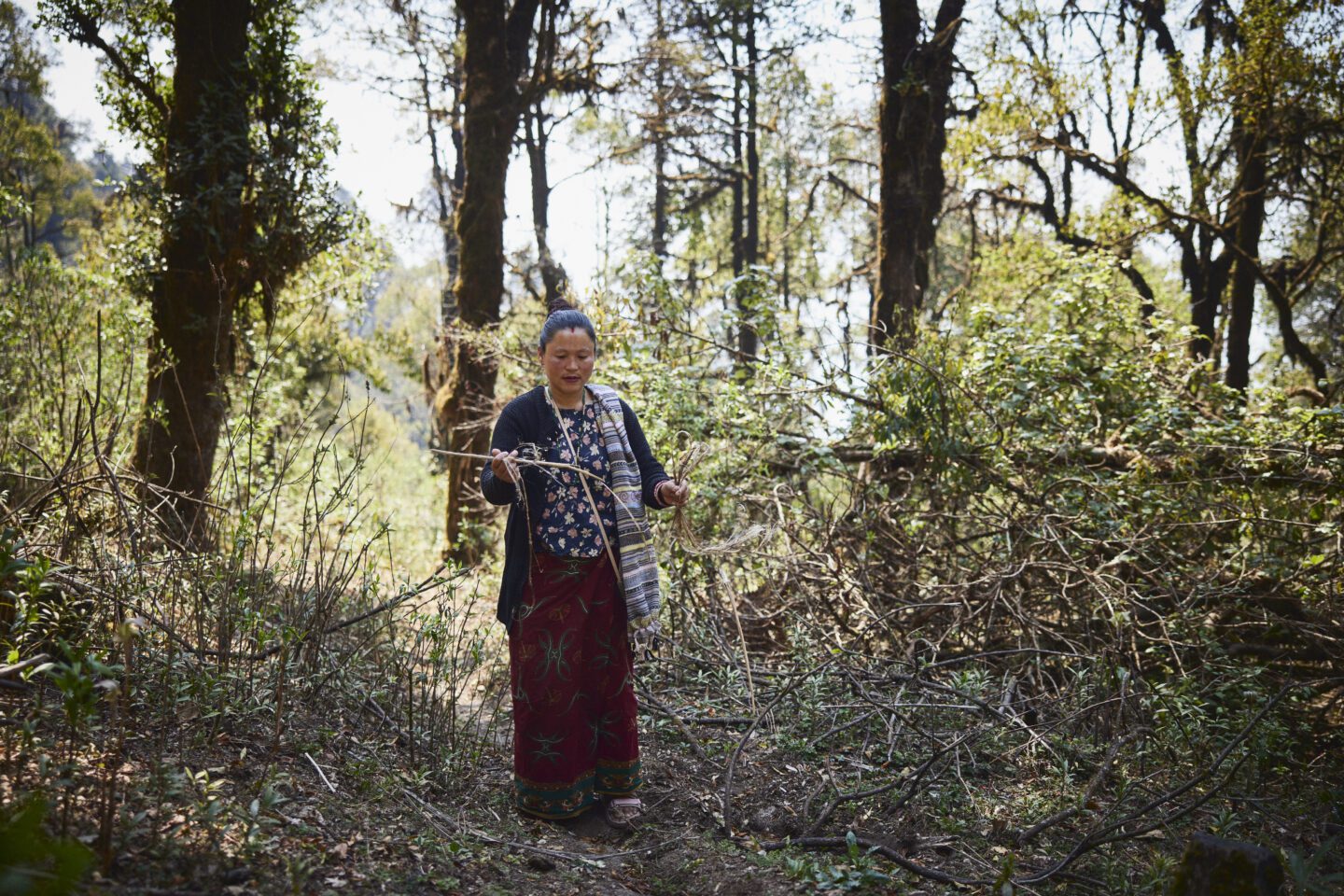
Himalayan nettle, or Girardinia diversifolia, grows naturally in Nepal’s hill and mountain regions, typically 1,200 to 3,000 metres (or 4,000 to 10,000 feet) above sea level. The plant grows wild in forested areas and along mountain slopes, requiring neither cultivation nor irrigation. Unlike the common nettle found in many parts of Europe and North America, Himalayan nettle can grow several metres tall. In fact, it is considered one of the longest natural bast fibres found in the Himalayas, producing exceptionally long fibres that contribute to its strength and durability and make it particularly well-suited for textile production.
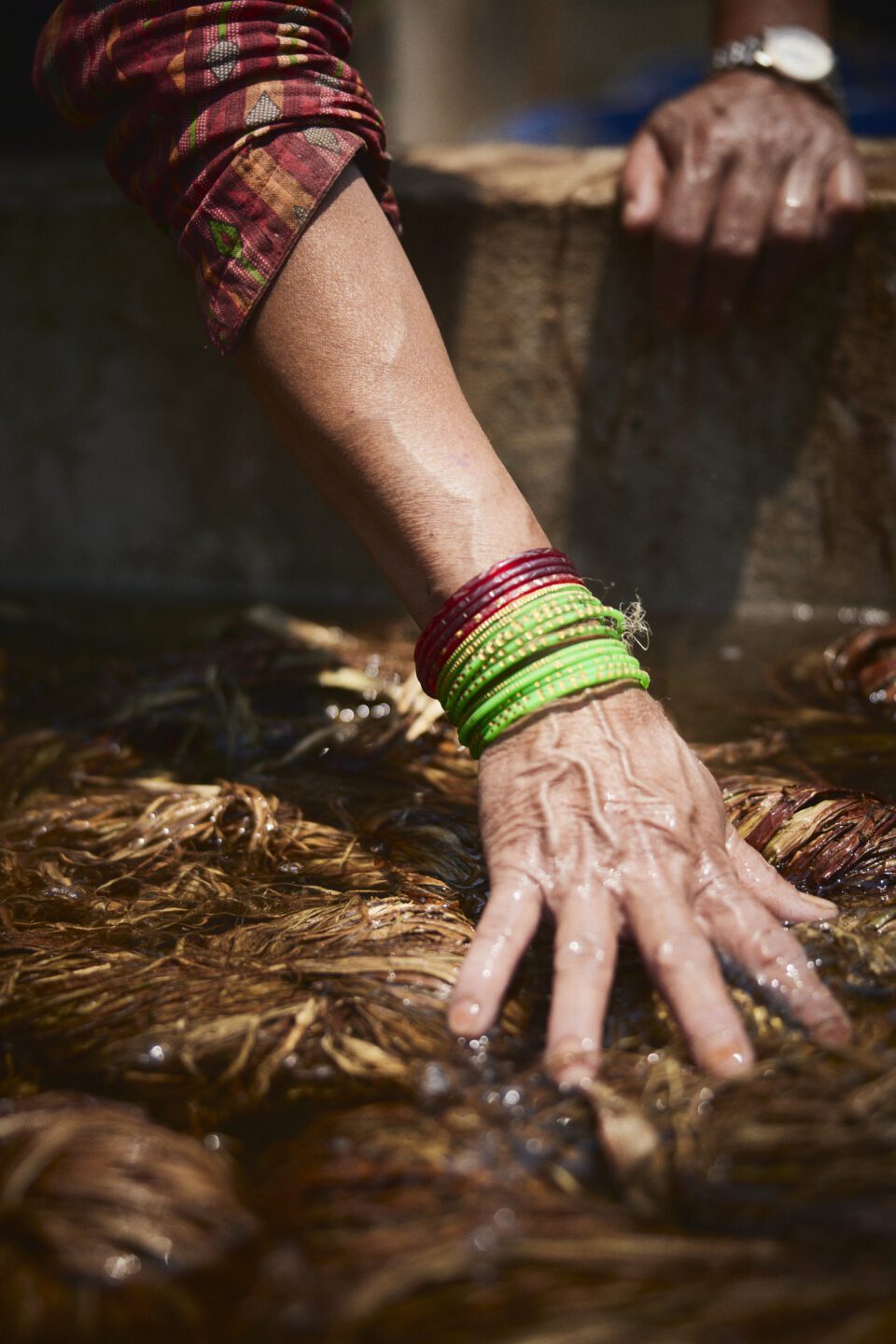
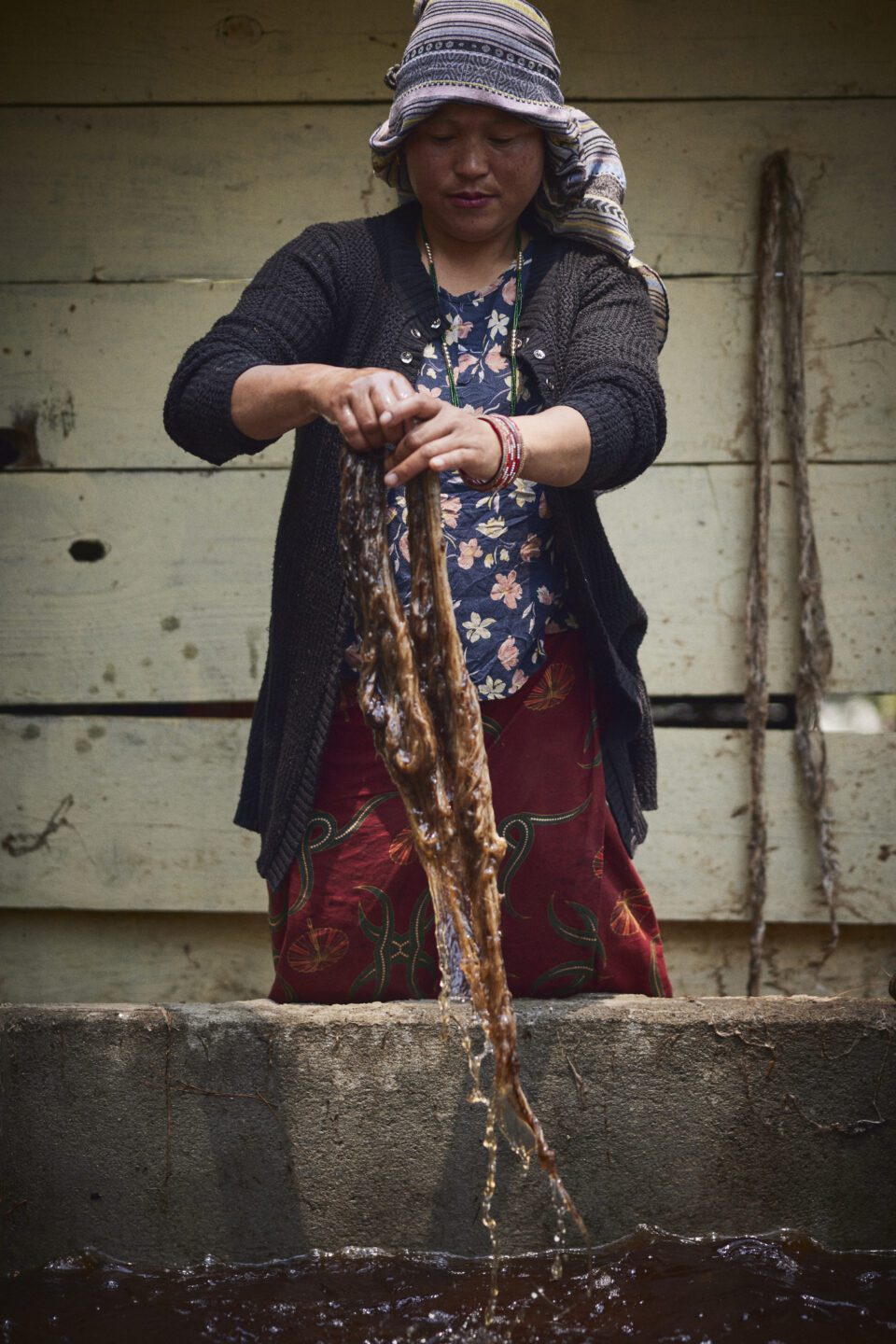
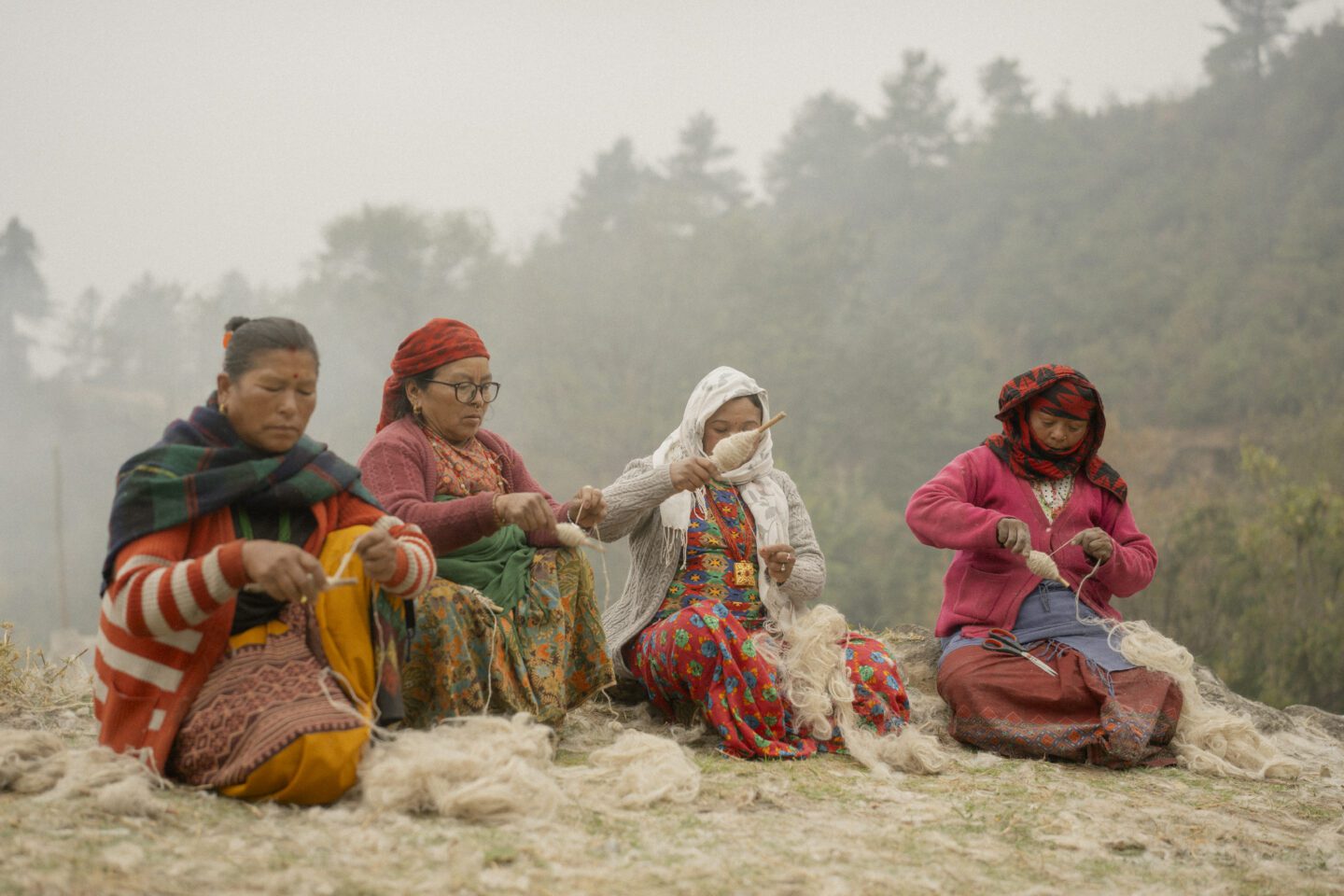
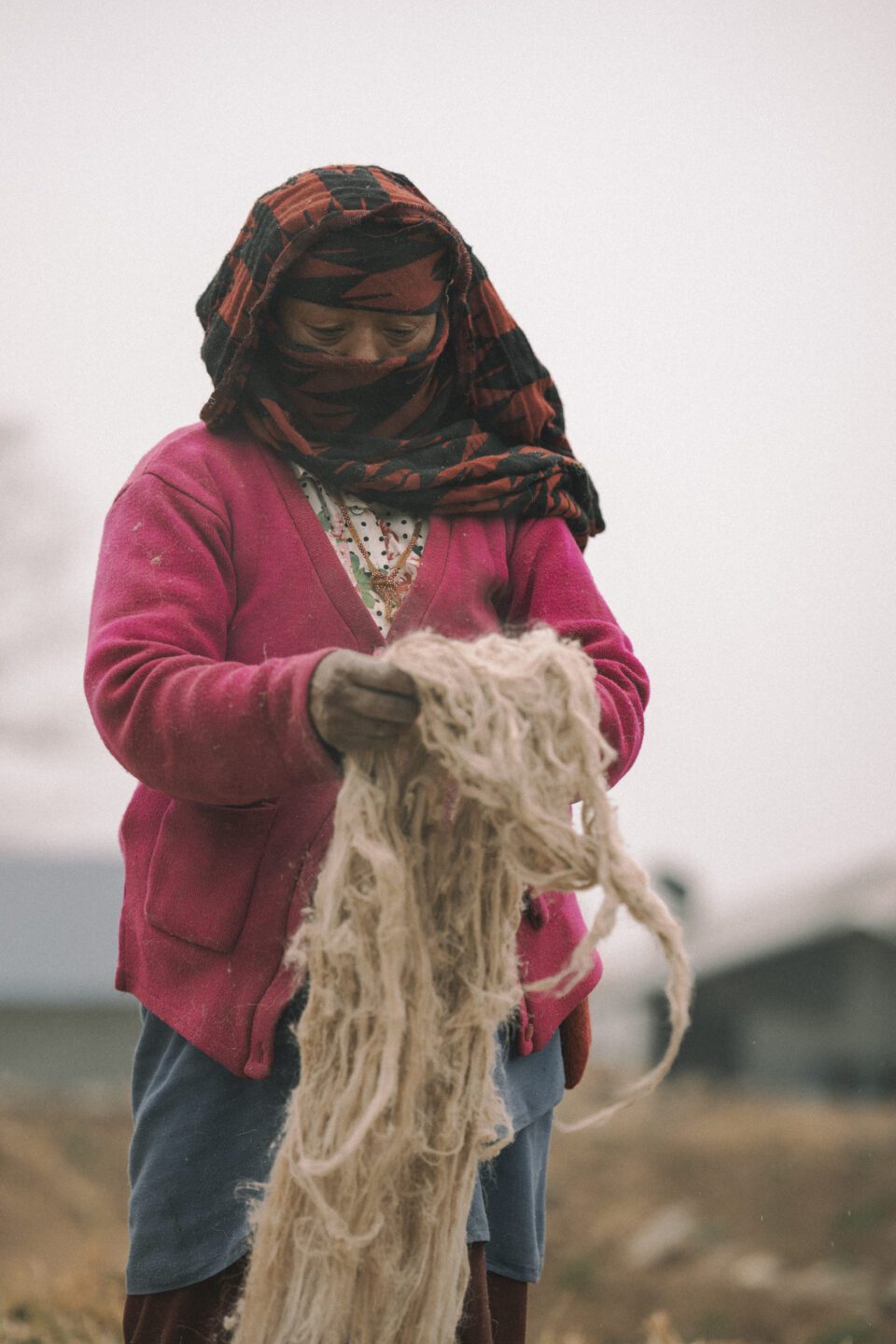
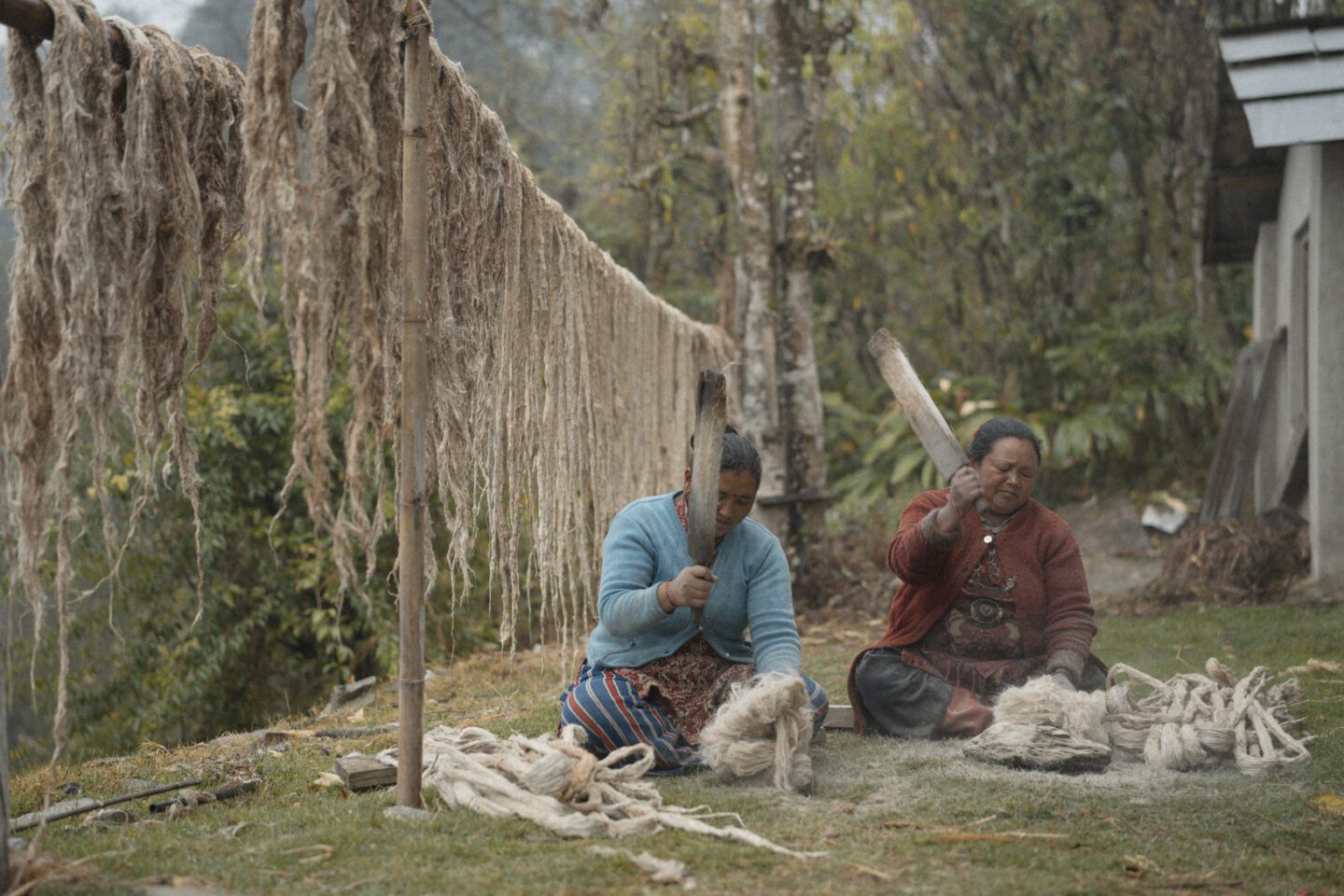
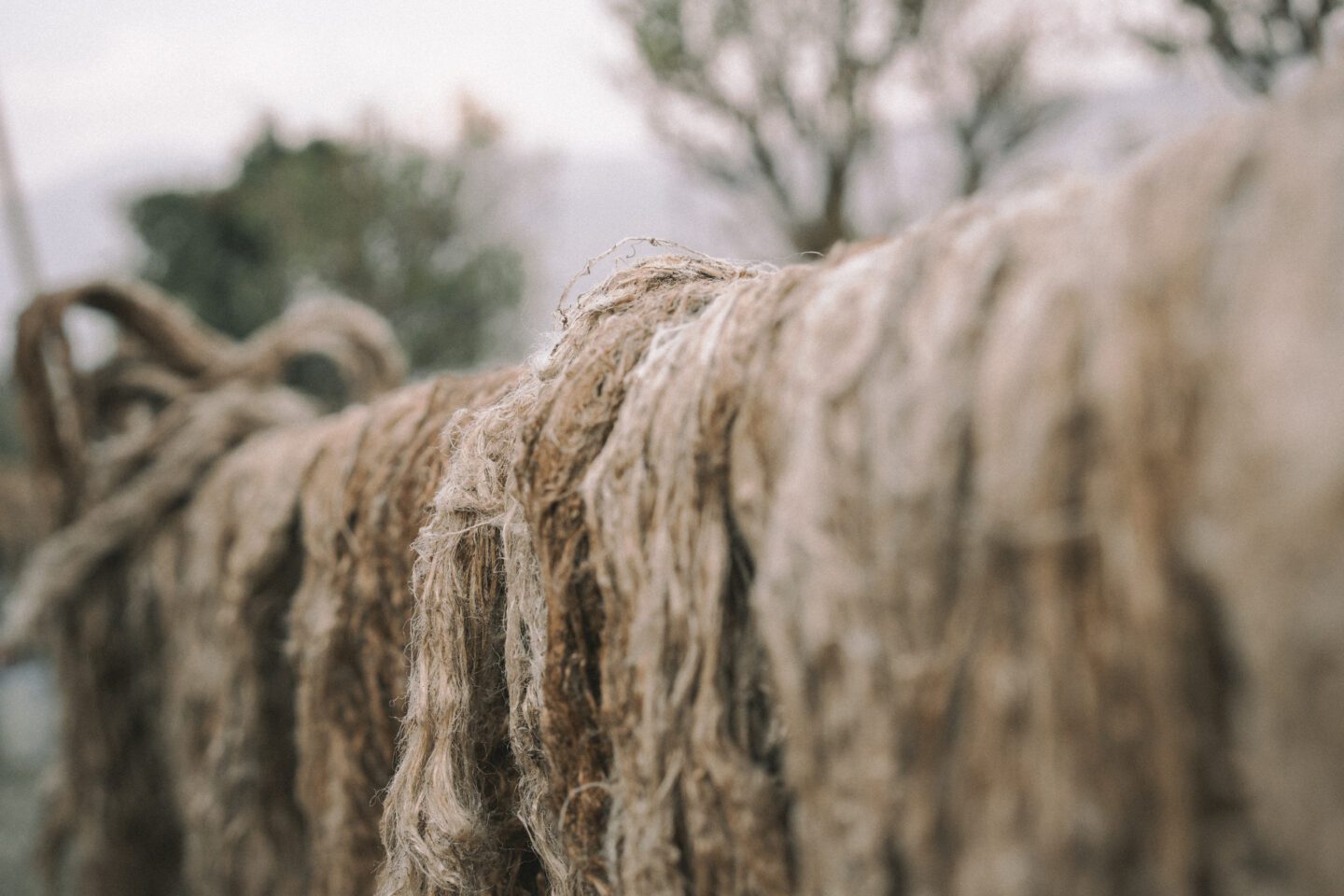
After harvesting, the plant undergoes a labour-intensive process of boiling, washing, drying, beating and spinning to transform the raw stalks into yarn. Traditional processing methods remain remarkably consistent across many regions of Nepal and make use of locally available materials such as wood ash and white clay, which help prepare and refine the fibres for spinning. According to research published by the International Centre for Integrated Mountain Development (ICIMOD), these methods provide an environmentally safer alternative to chemical treatments such as caustic soda, which can pollute water and negatively affect both fibre quality and the health of processors.
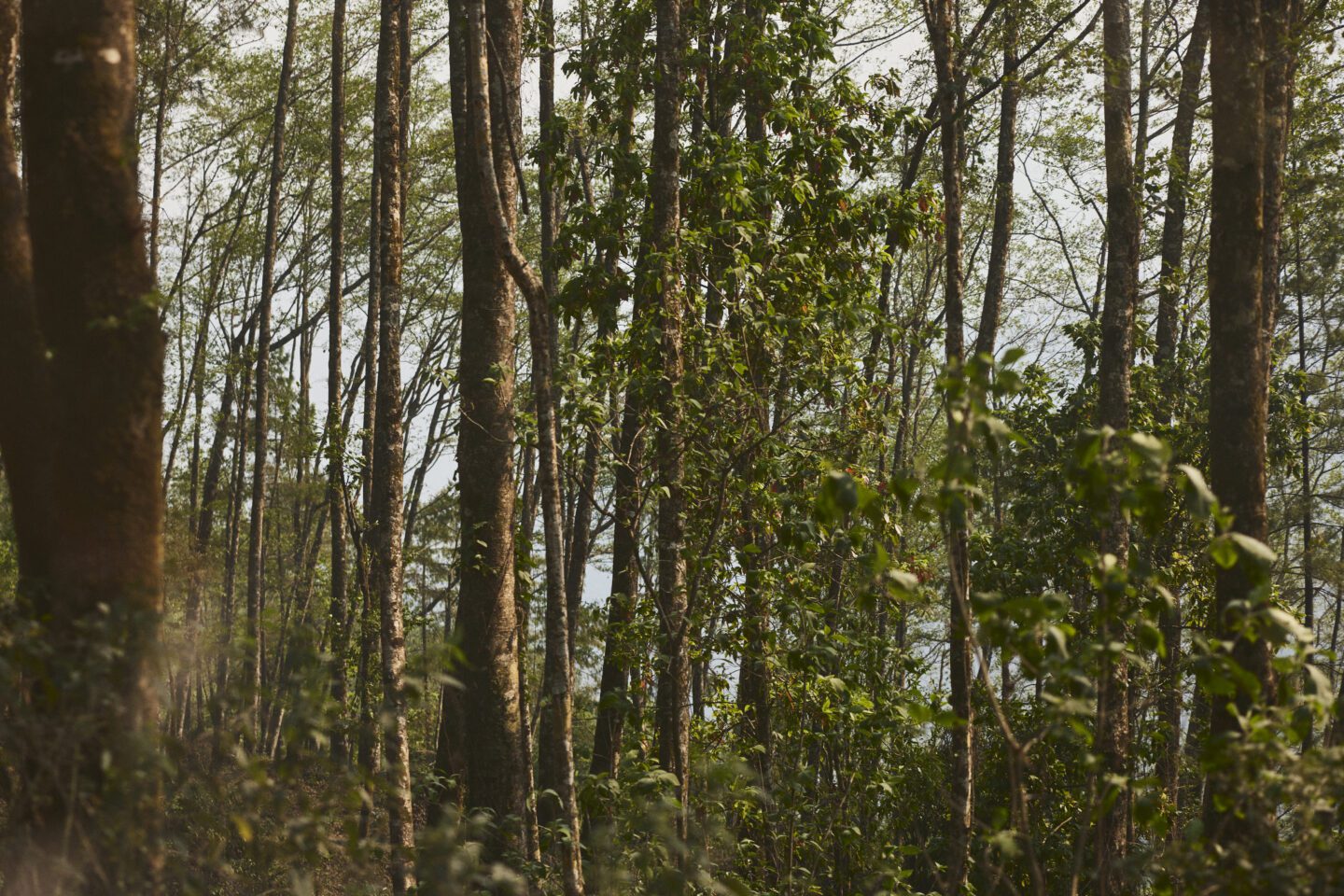


Traditional Uses and Significance of Himalayan Nettle
While nettle may be unfamiliar to many international consumers, it has long been a cornerstone of Nepal’s textile heritage and remains a vital of income in some mountain communities. In districts such as Sankhuwasabha, Dolakha, and Darchula—where economic opportunites are limited—the production of allo fibre has supported rural households and small enterprises and livelihoods for decades. The plant’s value spans the entire supply chain, generating income for harvesters, processors, and spinners who help transform this wild-growing plant into a high-value material long before weaving begins.
For generations, Indigenous Peoples and Local Communities (IPLCs) have developed ways to use almost every part of the plant: The outer bark provides fibres for ropes, textiles, and carpets, while the leaves and roots have traditional uses in local medicine and the stems are repurposed as fuel or compost. This represents a truly circular local resource system in which little is wasted.
Traditionally, communities including the Rai, Gurung, Magar, and Tamang have harvested the plant to craft everyday items such as ropes, carrying straps, fishing nets, bags, and clothing. The fibre also holds cultural significance beyond everyday use. Among the Kulung Rai, for instance, cloth made from allo is still used in ceremonies such as Nagi Puja and is presented to daughters during wedding celebrations.

This entire process requires extensive knowledge of local ecosystems and traditional fibre-processing techniques. In many communities, women are the primary custodians of this heritage, passing skills and practices down from one generation to the next. To ensure this resource continues, many harvesting communities follow strict traditional rules designed to support regeneration. Mature plants are collected only after seeds have ripened and dispersed, while part of the stem is intentionally left above ground to encourage new growth.
Ultimately, preserving this traditional knowledge means protecting the resource itself, highlighting how cultural heritage, biodiversity, and rural livelihoods remain deeply interconnected.
Why Nettle Matters for Handmade Carpets
What makes nettle particularly interesting for carpet makers is the combination of aesthetic and functional qualities it offers. The fibre is known for its strength and durability, qualities that make it well suited to rug making. At the same time, its natural irregularity creates a distinctive visual character. Unlike more uniform fibres, nettle absorbs dyes unevenly, producing subtle variations in tone and texture across a carpet’s surface. Finally, the fibre also has a slight sheen that changes with the angle of light, creating a sense of movement and depth.
These characteristics have attracted growing interest from designers and manufacturers seeking to diversify material sourcing and reconnect with locally available resources. This trend is reflective of a broader exploration of alternative natural fibres within the handmade carpet sector, alongside materials such as Himalayan wool, hemp, and banana fibre. For some brands, the appeal extends even further as carpets made entirely from plant fibres can qualify for labels such as PETA-Approved Vegan—reflecting growing interest in animal-free interior products.
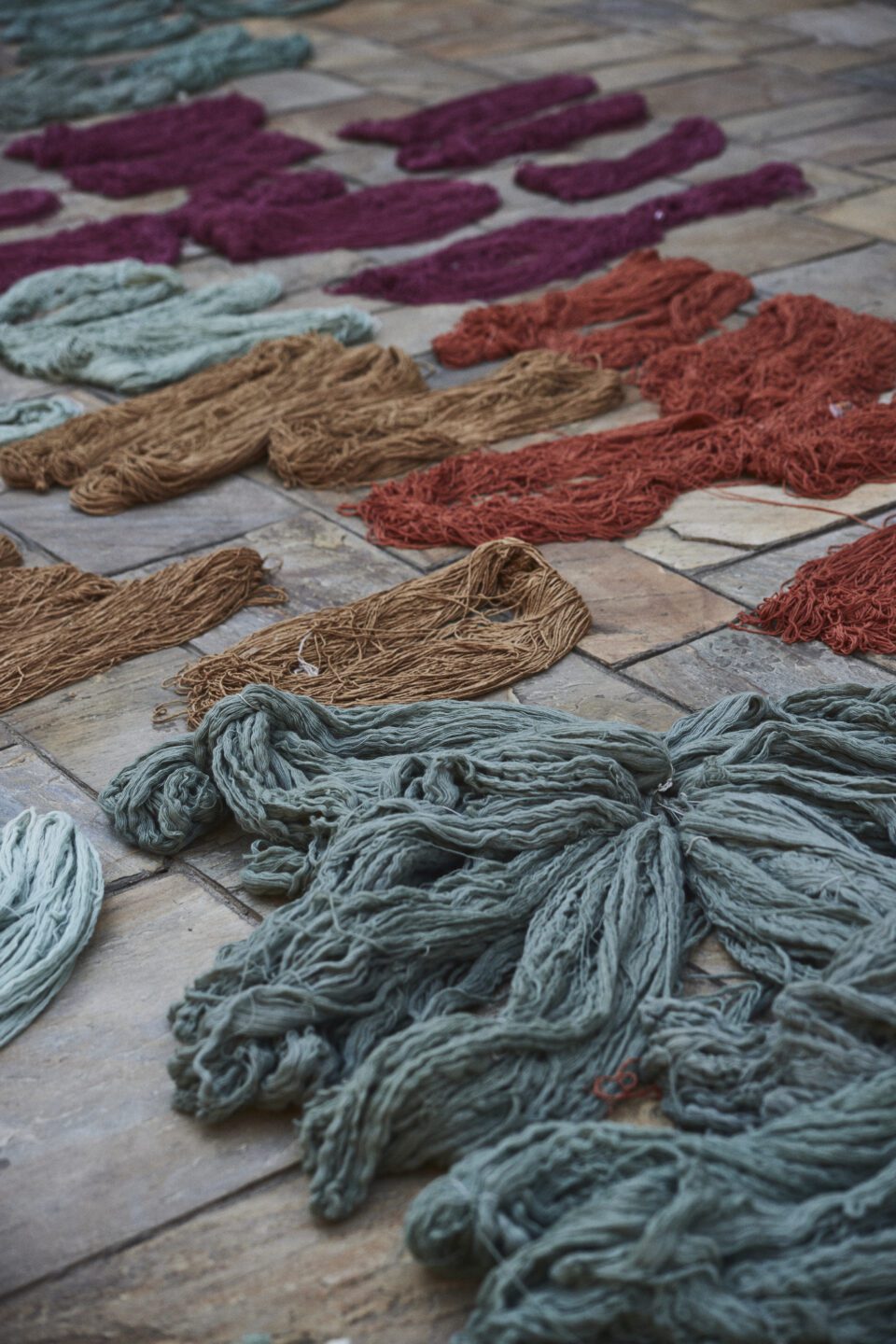
Following the success of its Trails and Views collections, STEP Certified Partner M2 Rugs recently introduced Sustainettle, developed with designer Sebastian Herkner. Described as the company’s first purely plant-based collection, it places Himalayan nettle at the centre.
“The collection is sustainable and timeless in the very best sense in terms of production methods, materials and design. This makes Sustainettle a statement.”
— Sebastian Herkner, Sustainettle Collection
Through monochromatic colour palettes and varying pile heights, the collection highlights the fibre’s natural structure and interaction with light. M2 Rugs notes how this creates “new, fascinatingly varied structures and impressions” that emphasise the character of the material itself.

“Depending on the angle of view and incidence of light, this creates new, fascinatingly varied structures and impressions that emphasize the special character of this extraordinary and durable material.”
— Marcel Müller, M2 Rugs, Sustainettle Collection
A similar exploration can be seen in ClassiCon’s collaboration with M2 Rugs, which reinterprets several historic rug designs using Himalayan nettle. The company explains that its interest in the material emerged from “the search for plant-based materials and sustainable perspectives.” Drawing inspiration from Eileen Gray’s long-standing interest in innovative materials, the collection embraces the qualities that make nettle distinctive. ClassiCon describes the fibre’s “slightly iridescent colour effects” and “silky sheen” as characteristics that create a softer and more nuanced appearance than traditional wool rugs.
“The search for plant-based materials and sustainable perspectives led to a collaboration with M2R Rugs.”
— ClassiCon
Together, these collections demonstrate how, rather than introducing a new material, a fibre long associated with Nepal’s textile traditions and heritage can be reimagined for contemporary interiors. Their use of nettle also highlights the potential of locally sourced fibres for carpet brands producing in Nepal. As a wild-growing plant, Himalayan nettle requires neither arable land nor irrigation and can be harvested without the use of artificial fertilisers or pesticides. Once collected, the fibre can be processed, spun and woven within Nepal, creating opportunities for value creation across multiple stages of production.

Label STEP believes such approaches can help strengthen domestic value chains and support livelihoods throughout the supply chain, including the communities involved in harvesting, processing, and spinning before the loom. For a carpet sector like Nepal’s that is so heavily reliant on imported raw materials, locally available fibres present an opportunity to retain more value within the country and extend the economic benefits beyond weaving workshops.
“For their cultivation, the wild-growing plants do not require any other resources such as arable land or water – and no artificial fertilisers or pesticides are used.”
— ClassiCon
Understanding the Origins of the Material
As interest in Himalayan nettle grows, STEP Certified Partners are looking beyond the finished fibre to better understand the people, skills, and traditions behind it. One example is Tapín, a recently certified Partner whose rugs are handcrafted exclusively in STEP-monitored workshops in Nepal. Working with natural materials and traditional Tibetan knotting techniques, the company sees direct engagement with fibre-producing communities as an important part of responsible design.
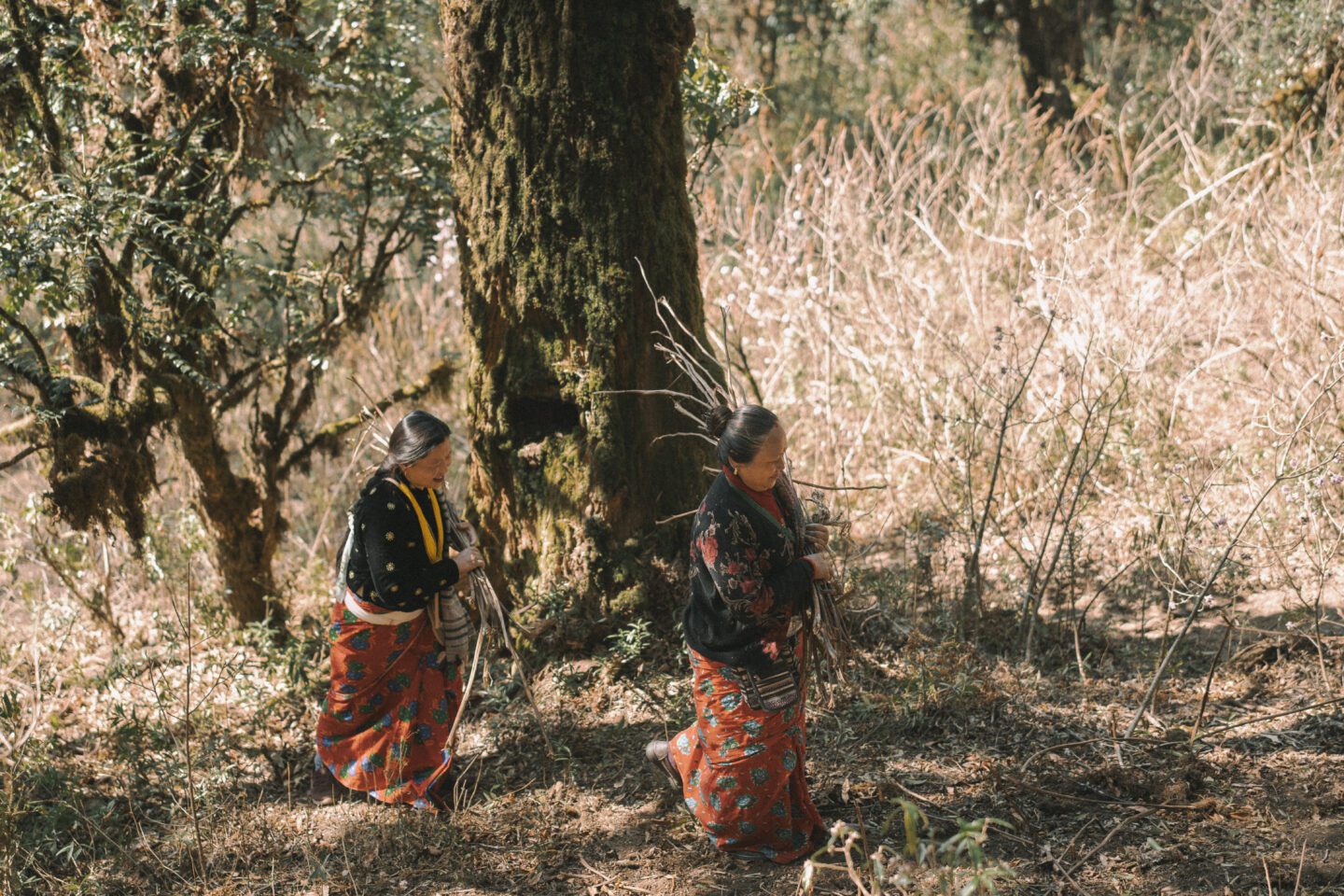
To better understand Himalayan nettle, Tapín travelled to a fibre-producing community near Jiri in eastern Nepal, where allo continues to be harvested and processed using techniques passed down through generations. As the company explains, it came “for transparency—to witness the complete transformation of allo from an aggressive jungle plant into one of the strongest natural fibres in the world.”
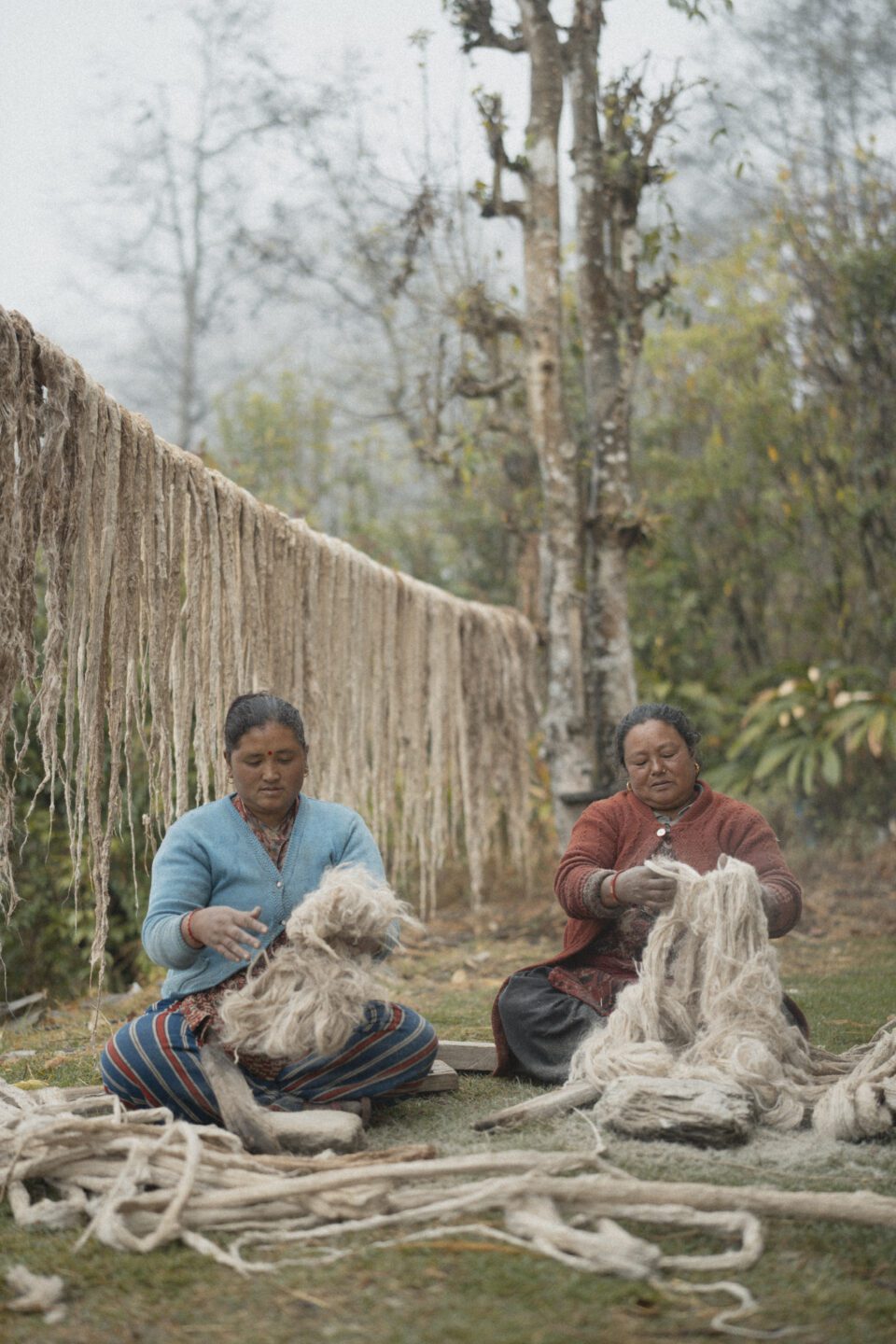

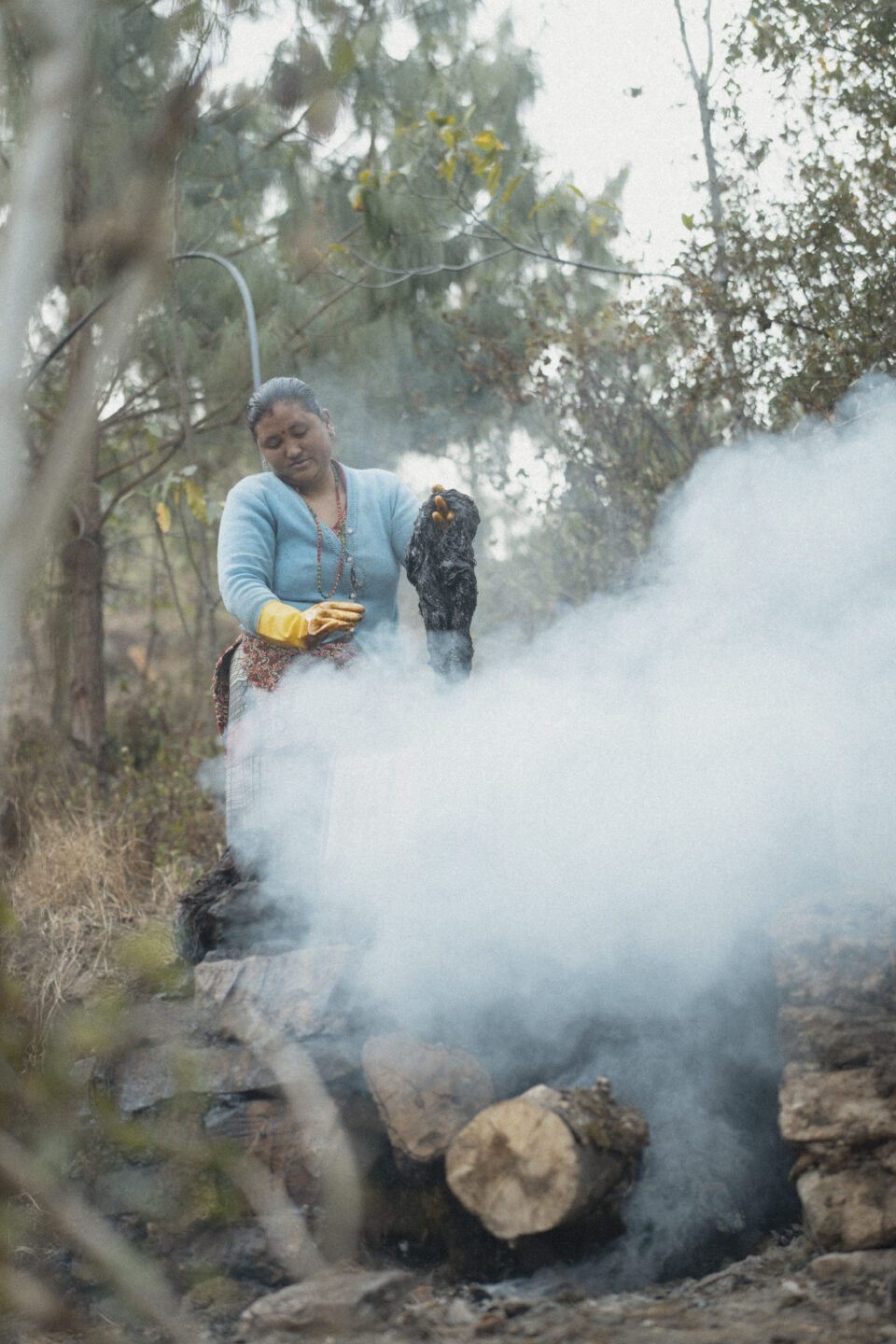
During the visit, women demonstrated how mature plants are selected, fibres are separated from the bark, and the material is transformed into spinnable yarn through a multi-stage process using wood ash, water, clay, and hand labour. Traditional songs sung during spinning remain part of the work, linking fibre production to cultural heritage as well as craftsmanship. More than a technical process, it revealed a living tradition in which knowledge is passed on through observation, practice and shared experience rather than written instruction.
“We came for transparency—to witness the complete transformation of Girardinia diversifolia, locally known as allo, from aggressive jungle plant to one of the strongest natural fibres in the world.”
— Tapín
Tapín shared this journey with its customers in an article titled “From Sting to Strength: The Nettle Journey.” The awareness helps make the people behind the material more visible and encourages a greater appreciation of the knowledge and manual work that precede weaving— asking: “How does knowing the full journey change what you feel underfoot? Does understanding that each thread passed through fire, water, clay, and song shift how you value what endures?”
For Label STEP, this makes nettle more than a story about a material. It is also a story about how Nepal’s handmade carpet sector can add value and adapt for the future through engaging with local resources and traditional knowledge.


“How does knowing the full journey change what you feel underfoot? Does understanding that each thread passed through fire, water, clay, and song shift how you value what endures?”
— Tapín
Responsible Sourcing for a Sustainable Future
At the same time, researchers emphasise that growing interest in allo also brings new responsibilities. A study by Tribhuvan University and the International Centre for Integrated Mountain Development (ICIMOD) found that 85% of respondents observed a decline in natural allo habitats. Beyond increasing demand, the study links this change to declining traditional livestock grazing, fewer sheep (which historically helped fertilise the soil and disperse seeds), the expansion of large cardamom plantations, and harvesting practices that remove entire plants rather than regenerative ones. The same research also reminds us how sustainable harvesting has long been part of local knowledge systems, pointing to this as a model to learn from in order to continue this resource for many years to come.
“The study emphasises the importance of sustainable harvesting, conservation of natural resources [and] preservation of the traditional knowledge.”
— Tribhuvan University & ICIMOD
For Label STEP, responsible production extends beyond working conditions in weaving workshops. It also means recognising the people and knowledge systems that shape materials long before they reach the loom. Research on Himalayan nettle value chains demonstrates that when communities gain access to training, producer networks and markets, traditional skills can become a foundation for stronger livelihoods, greater economic participation for women, and more resilient local economies.

