
STEP is marking 30 years of leading impactful change in the handmade rug industry. In celebration of this, COVER Magazine’s latest edition, Issue 81, features “Thirty Things to Love About Label STEP.” But there are plenty more reasons than 30. Below is our extended list, offering a deeper look at what makes STEP’s work, values and global community so meaningful.
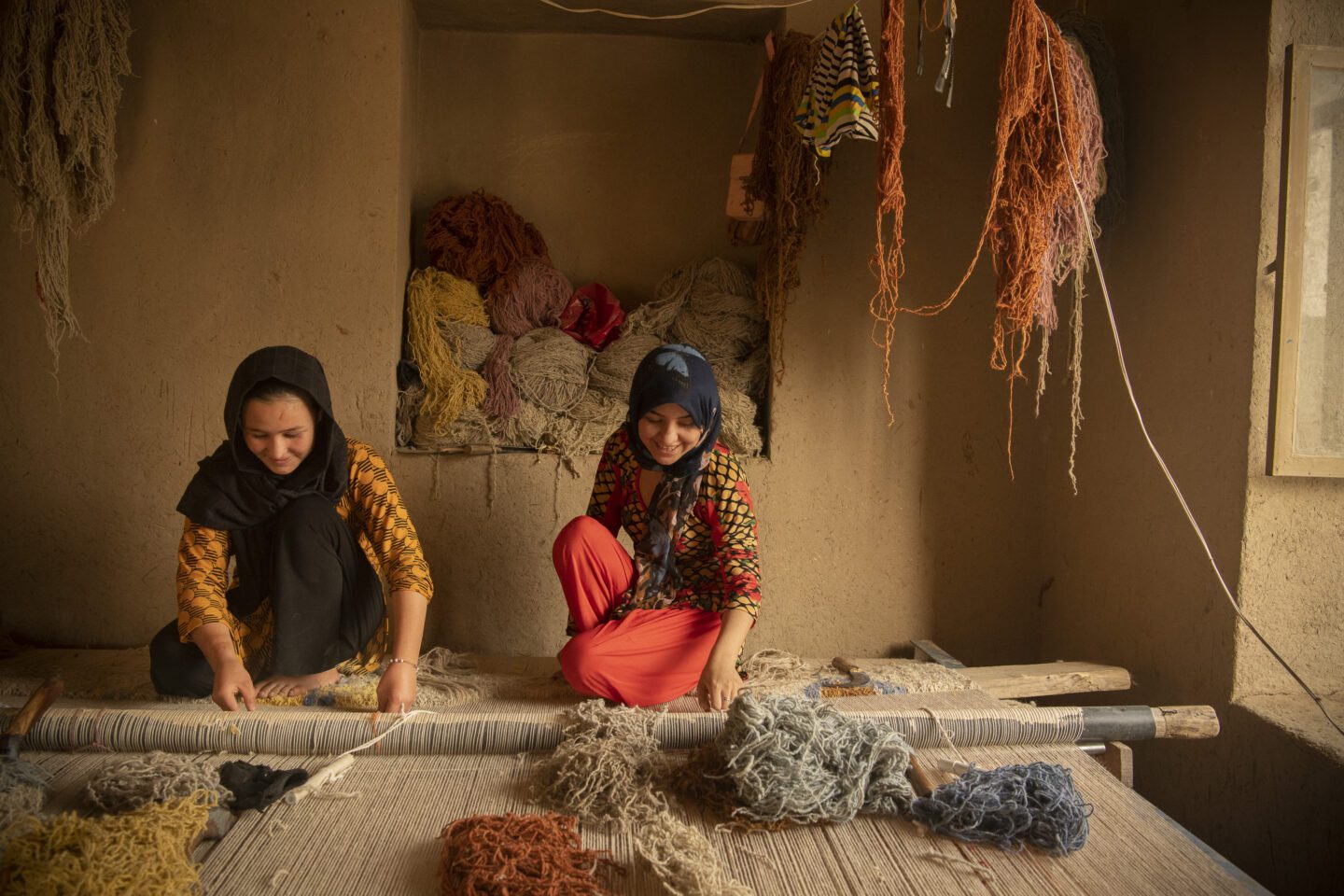
Partnering with some of the carpet industry’s most illustrious and successful names, Label STEP strives to ensure fairness and wellbeing for weavers and artisans. To mark the organisation’s thirtieth anniversary, here are thirty good reasons to work with STEP:
1. Ensures safe, healthy working environments where every artisan can thrive.
STEP’s local teams regularly assess workplaces through on-site audits, checking ventilation, lighting, ergonomics, sanitation, emergency facilities and structural safety. When non-compliance is identified, corrective measures are taken to ensure safe and healthy working conditions.
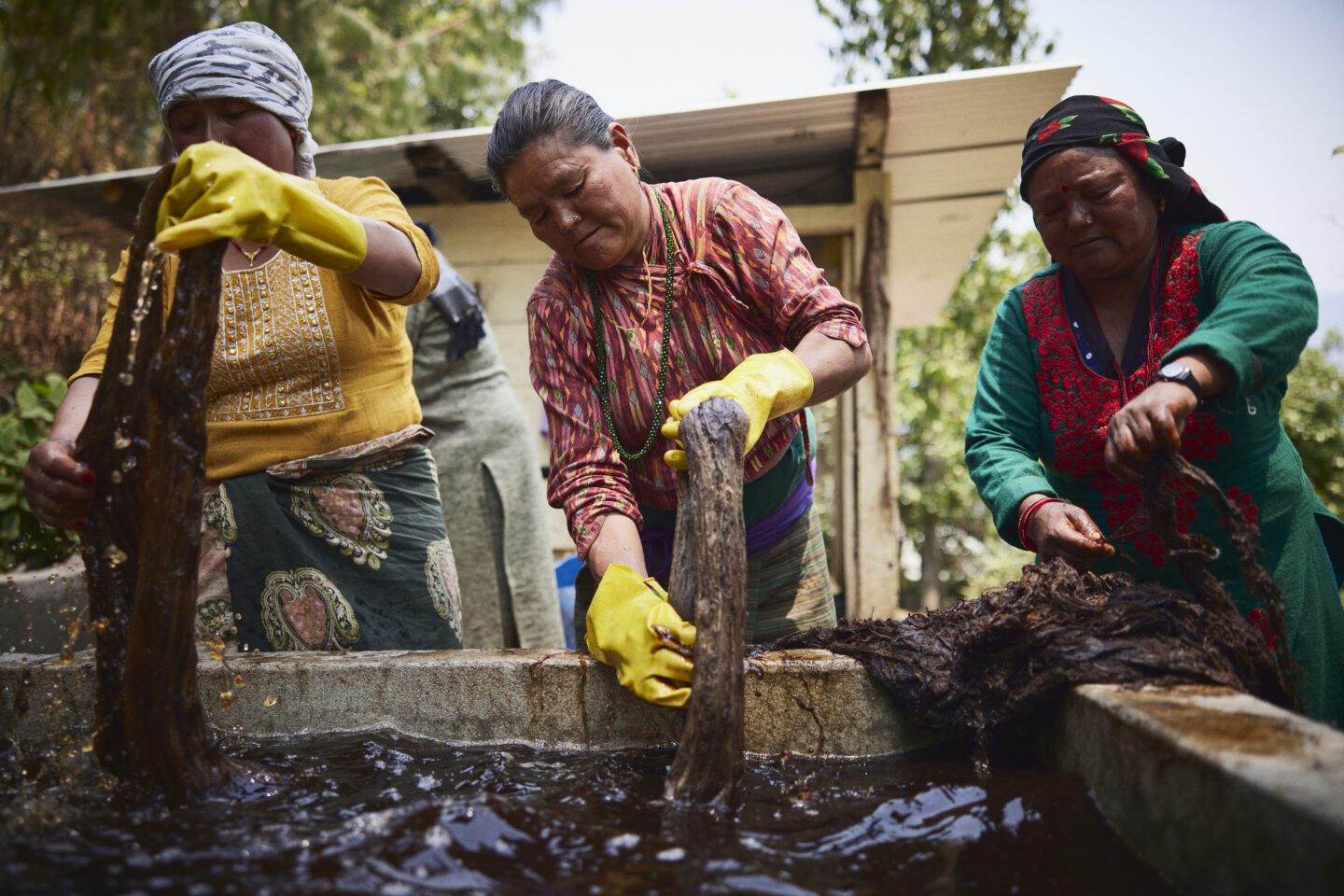
2. Strengthens local enterprises to help artisans transition from informal workshops to structured, resilient micro-enterprises.
STEP supports workshop owners and weaving communities in improving compliance, upgrading workspaces and building organisational capacity, helping small units and artisan villages become stable, responsible and resilient sources of livelihood.
3. Working to eliminate child labour and open alternative opportunities for future artisans.
STEP raises parents’ awareness of children’s rights and the importance of education. When child labour is identified, remediation measures are taken to ensure the child is removed from work and supported in a safe and appropriate environment.
4. Fortifies Partners’ sourcing with resilient artisan supply bases less prone to disruption or craft loss.
By improving working conditions, wages and compliance, and by supporting continuous capacity building, STEP helps producers retain skilled weavers and sustain craft knowledge, reducing the risk of disruptions and loss of expertise in the supply chain.
5. Upholds fair wages and transparent payment to sustain families and communities.
STEP calculates local living wage benchmarks, monitors wages and payment practices on-site, and supports producers and weavers in moving towards fair, predictable and transparent income conditions.
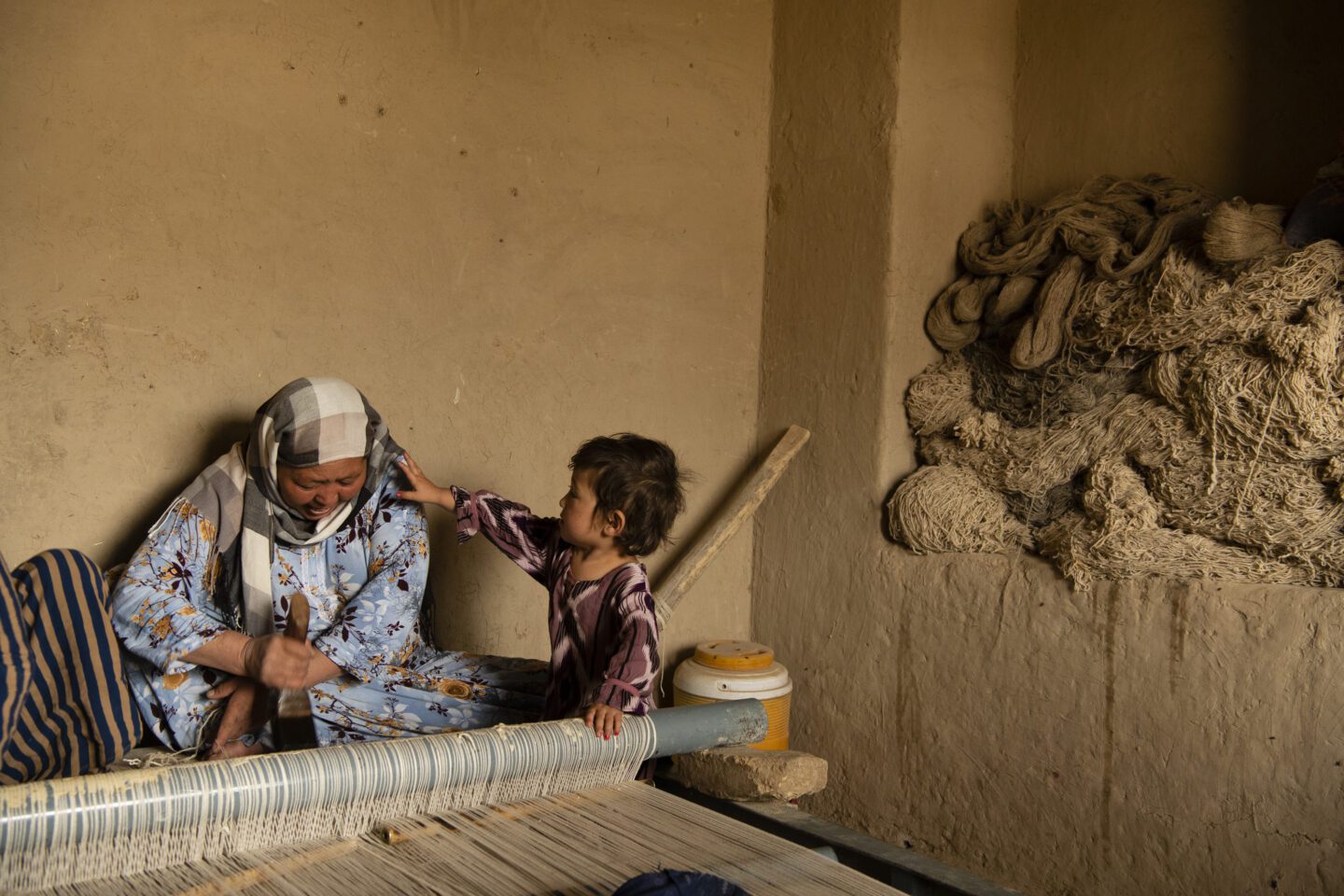
6. “The quality of our rugs is synonymous with the welfare of the weavers and for this we are proud of our long-term partnership with STEP, who we entrust to innovate, uphold and exceed industry standards.”
—Matthew Bourne, Christopher Farr
7. Promotes humane treatment across all workshops that honour artisans as people, not just labour.
STEP monitors humane treatment during on-site audits and raises awareness about workers’ rights, ensuring workplaces are free from harassment, coercion and abuse, and that disciplinary practices are clearly defined and respectful.
8. Innovates new production pathways by merging traditional techniques with sustainable, market-relevant design.
STEP supports producers and artisans in improving production processes, strengthening traditional techniques and adopting safer, more sustainable methods, ensuring that craft skills evolve responsibly while meeting contemporary market requirements.
9. Prohibits forced labour so all work is done freely and by choice.
STEP monitors employment practices during on-site audits to ensure work is voluntary, not linked to debt, coercion or restricted movement, and that workers are free to leave employment in line with legal and contractual requirements.
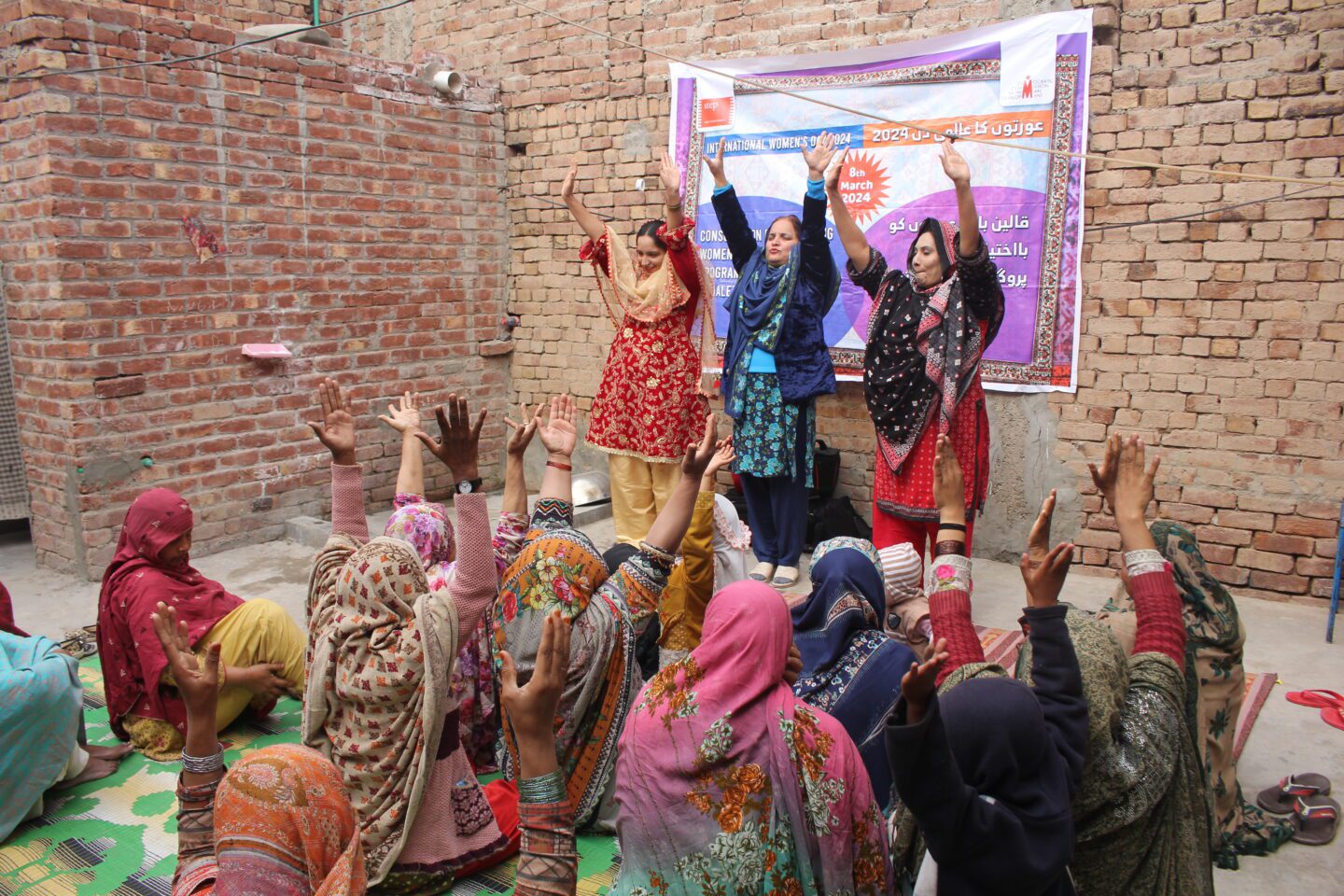
10. Helps fund community-health programmes for weaving families—making sure wellbeing comes first.
Through the Weavers’ Empowerment Program, STEP supports medical camps, preventive health sessions, physiotherapy and awareness activities, responding to needs identified within weaving communities.
11. “We work with STEP because of their ‘boots on the ground’ presence and direct action where and when it’s needed. Small enough that you can talk to real people and big enough to create long lasting change and improvements for all.”
—Simon Goff, Floor Story
12. Champions gender equality and protects workers from discrimination.
STEP monitors equal treatment during on-site audits and raises awareness through its programs, with a strong focus on protecting women, migrant workers and others at risk of discrimination, ensuring fair and inclusive workplaces.
13. “At Rugvista, partnering with STEP helps us turn our sustainability ambitions into real impact, ensuring fair and respectful conditions for artisans while fostering continuous improvement throughout our handmade rug value chain.”
—Patricia Widgren, Rugvista
14. Advances environmental protections to reduce harm and promote sustainable futures.
STEP identifies environmental risks during on-site audits and works with producers to improve water and energy use, chemical handling, waste management and other processes, supporting continuous progress toward more ecologically sound production.
15. Grants artisans agency in their work through freedom of association.
STEP promotes the organisation of weaver groups and supports them with training and capacity building, while also monitoring respect for workers’ rights to organise, engage in dialogue and participate in collective decision-making with producers.
16. “STEP’s understanding of the carpet industry and its commitment to the welfare of weavers is unparalleled. We have partnered with them for over six years in Afghanistan and look forward to continuing to improve wages and working conditions for weavers.”
—Toby Ash, Turquoise Mountain
17. Regulates working hours responsibly so weavers balance their livelihood, rest, and life.
STEP ensures that working hours comply with national law and industry standards, including reasonable regular hours, limited and voluntary overtime, and the right to a full weekly day of rest, supporting healthy and sustainable routines for artisans.
18. Differentiates Partners’ rugs through the recognized credibility of STEP certification.
STEP certification confirms compliance with the industry’s leading fair trade standard, offering Partners verified insight into the conditions of weavers and workers, strengthening supply-chain credibility, and providing a trusted label that opens markets and supports continuous improvement.
19.“Becoming a STEP partner was one of the first and most important choices I made after purchasing Tamarian. Their holistic approach to fair-trade certification embodies our core values of beauty and integrity in all aspects of our business. They provide a framework that supports and uplifts the very people who make our industry possible.”
—Ryan Higgins, Tamarian
20. Supports artisan leadership by strengthening cooperatives and community decision-making.
STEP strengthens weaver groups through training, community-health education and skill development, enabling artisans to organise collectively, take on leadership roles and progress toward positions such as master weavers, increasing their influence within their communities and workplaces.
21. Fosters technical skill development for weavers so craft standards rise and wastage falls.
STEP strengthens artisans’ capacities through training in production awareness, health and safety practices and financial literacy, supported by digital tools that improve organisation and quality, while helping safeguard traditional craft knowledge across the value chain.
22. Meets the demand of conscious consumers looking for more than “made in” labels.
STEP certification gives consumers verified insight into who made their rugs, how they were treated, and how production affects the environment—meeting the growing demand for clarity, fairness and transparency.
23. Preserves heritage by preventing the loss of traditional designs, techniques, and weaving knowledge.
STEP helps safeguard craft heritage by improving the conditions that allow weaving to continue—ensuring fair wages, safer workplaces and stable workshop structures so artisans can sustain their skills, pass them on, and keep traditional techniques alive across generations.
24. “Our customers place increasing value on sustainability and social responsibility. With STEP, we offer a credible response to this and create real added value both for our customers and the weavers.”
—Stefan Amstad, Pfister
25. Institutes full transparency through regular audits to build trust.
STEP monitors up to 90 compliance criteria through systematic field visits, interviews and production checks, providing verified insight into wages, safety, child labour prevention and other key conditions, and initiating corrective action whenever non-compliance is found.
26. Creates stable, long-term employment so weaving communities can plan, save, and stay rooted in their regions.
STEP strengthens the viability of weaving as a profession by improving wage systems, securing safer workplaces and supporting the formalisation of small workshops, helping communities maintain steady employment and sustain their livelihoods locally.
27. Gains deeper impact metrics with measurable and tracked improvements in artisan incomes, working conditions and material sustainability.
STEP documents progress through detailed compliance monitoring and the use of digital tools in its programs, generating reliable data on wages, safety and production practices that help partners demonstrate real, evidence-based improvements.
28. Expands access to education for artisans and their children, linking fair trade to opportunity.
STEP strengthens educational opportunities through empowerment training for weavers and support for community initiatives, helping families build knowledge, pass on skills and create better prospects for future generations.
29. Fosters a global network that promotes cross-cultural understanding through artisan collaboration.
STEP connects weaving communities, producers and certified partner brands through trusted relationships, regular updates and shared learning, creating a community committed to fair trade, responsible practices and positive change across the handmade carpet industry.
30. Ensures full supply-chain transparency, enabling reliable and traceable sourcing.
STEP documents conditions at every stage of production—from home-based weaving to finishing—providing partners with consistent, traceable information that strengthens responsible sourcing and supports honest communication with clients..
31. Mitigates reputational and operational risks associated with unethical supply chains.
STEP helps brands protect their supply chains by ensuring fair trade standards are upheld and by addressing issues collaboratively before they escalate, strengthening both resilience and public trust.
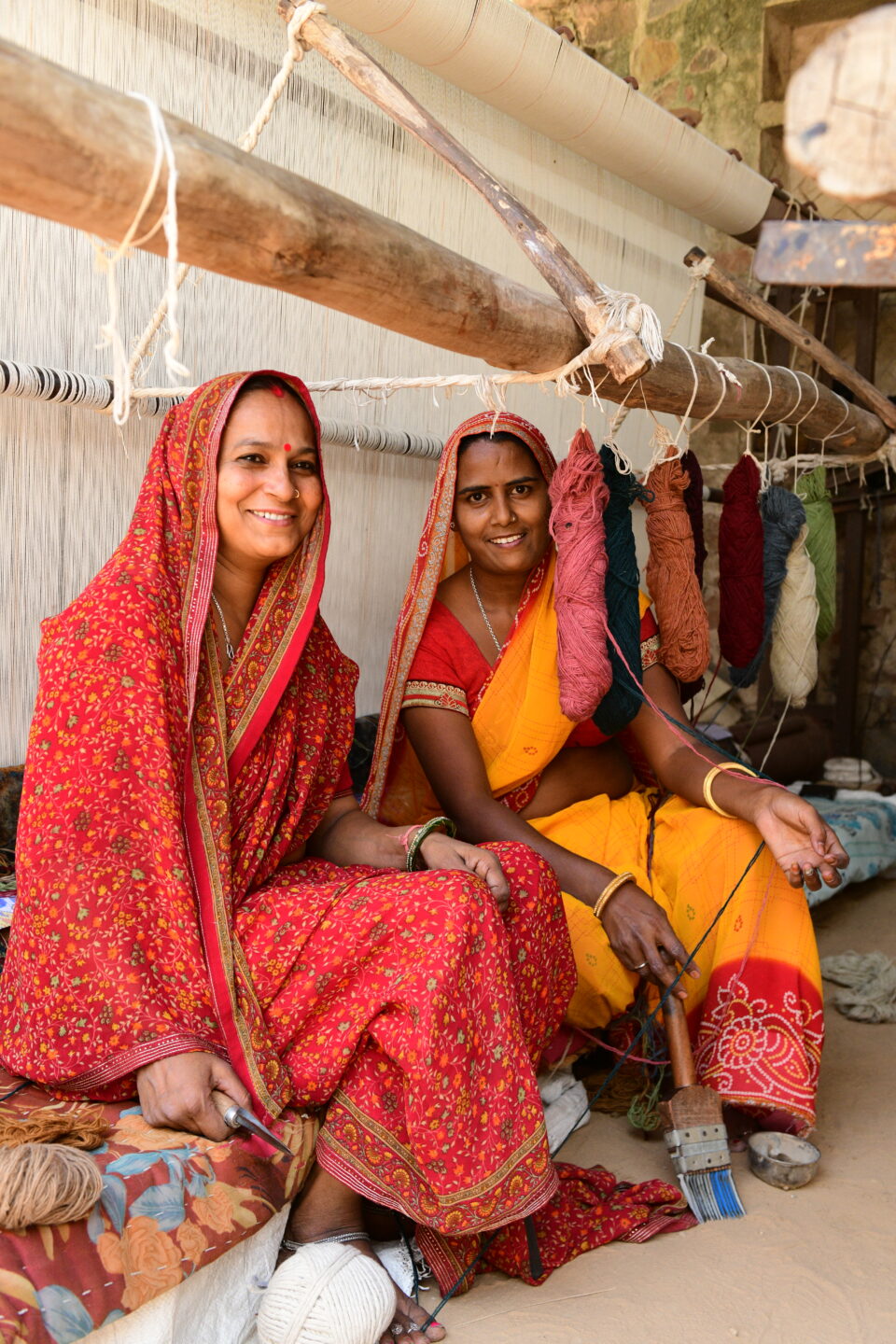
32. “It is important to us that our rugs are not only aesthetically pleasing, but also made with respect – for the people who weave them and for the environment. Without the craftsmanship and passion of the weavers, our designs would remain just ideas; their dedication deserves fair working conditions.”
—Sanchir Kath, Jan Kath
33. Adds depth to its Partners’ brand stories by supporting generational weaving traditions.
Working with STEP roots your products in the lived realities of weaving families, helping preserve intergenerational skills and cultural identity, and allowing brands to share stories that are authentic, human and grounded in real craft heritage.
34. Meets the growing demand for products with provenance, authenticity, and verified ethical standards.
As the market shifts toward responsible sourcing, STEP certification helps brands stay competitive by aligning with the only production model that can truly endure: one built on fairness, transparency and long-term trust.
35. Unlocks new collaboration and market opportunities where ethical production is a priority.
STEP Partners gain access to designers, hospitality groups, retailers and cultural institutions seeking to work with producers committed to fairness, transparency and responsible sourcing.
36. Opens opportunities to benefit from STEP’s local teams in every major rug-producing region.
STEP’s country teams speak local languages, understand cultural contexts and maintain close relationships with weavers and producers. Their daily presence and community networks — including photographers, videographers and other local professionals — give partners meaningful insight, practical support and reliable access for production and documentation.
37. Supports women-led weaving enterprises and inclusive production structures.
STEP expands opportunities for women by promoting safe work environments, fair wages and equitable roles in both workshop and home-based settings, strengthening their participation and leadership across the value chain.
38. Addresses the root causes of labour injustice, not just the symptoms.
STEP’s grassroots approach engages directly with weaving communities to understand local realities, strengthen producer practices and empower workers, tackling structural challenges at their source and enabling lasting, meaningful improvements.
39. Advances the use of natural fibres and low-impact materials in production.
STEP encourages producers to work with renewable materials sourced locally — such as regionally available wool, silk or cotton — supporting traditional practices, reducing transport impact and strengthening local economies.
40. Crafts a fair-trade ecosystem where every part of the value chain benefits.
With teams in all major handmade rug–producing countries, STEP helps align the interests of weavers, producers and partner brands, creating a shared framework of fairness and responsibility that strengthens quality, relationships and the industry as a whole.
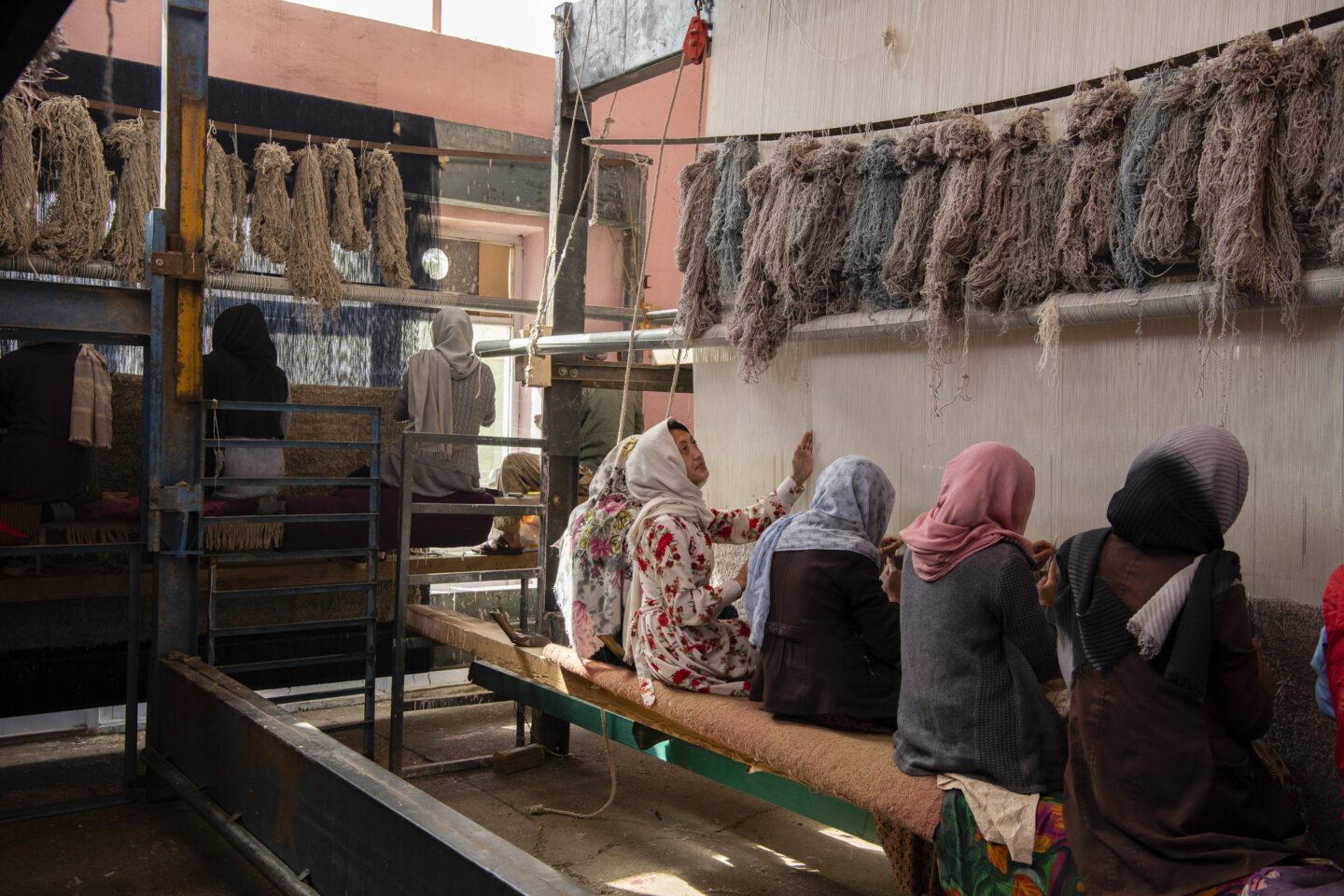
These forty reasons reflect just part of what drives STEP’s mission, a continuous effort advanced through the steadfast support and partnership of our global network.
Discover the original feature in COVER Issue 81 to read the full article as published.

