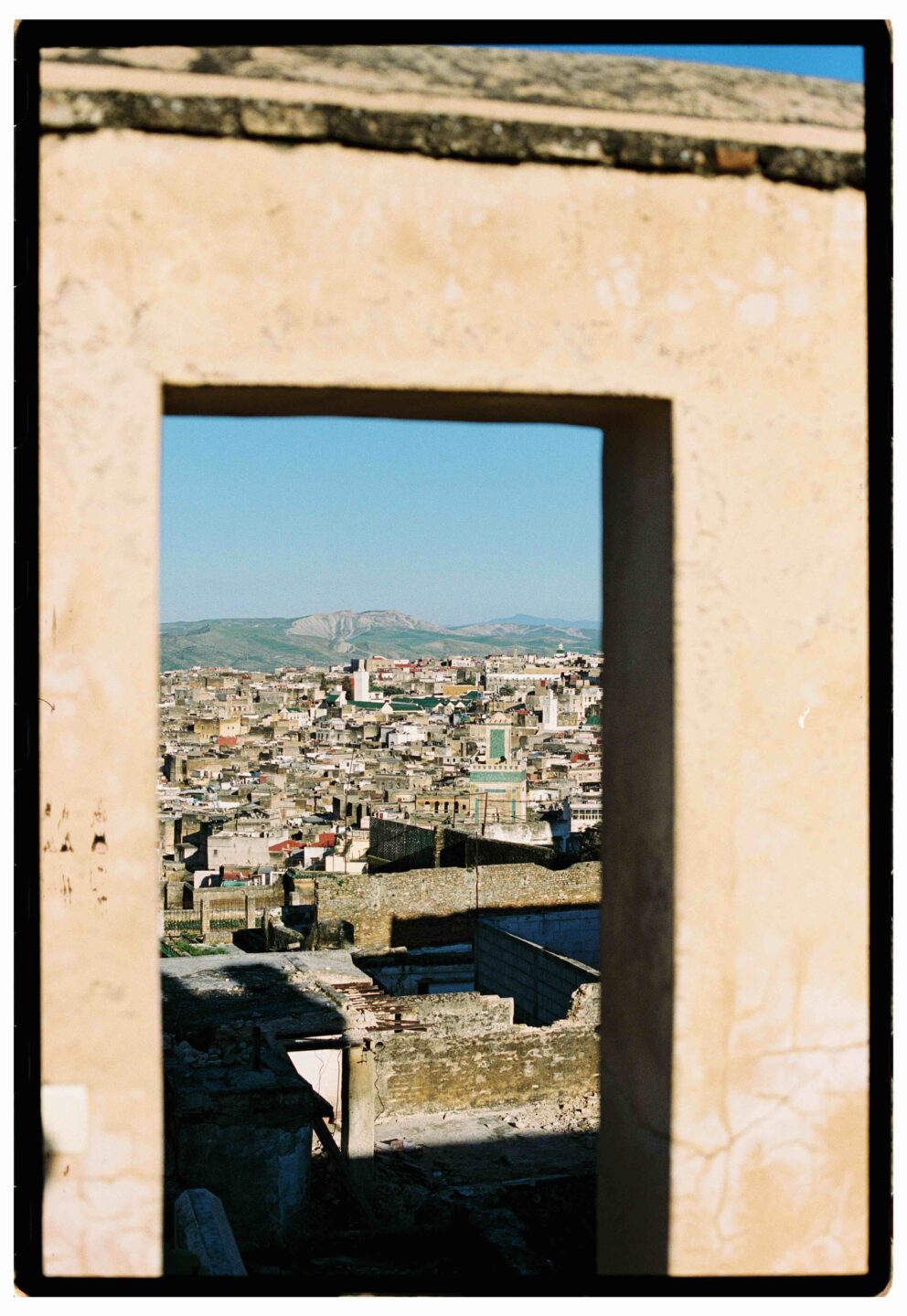
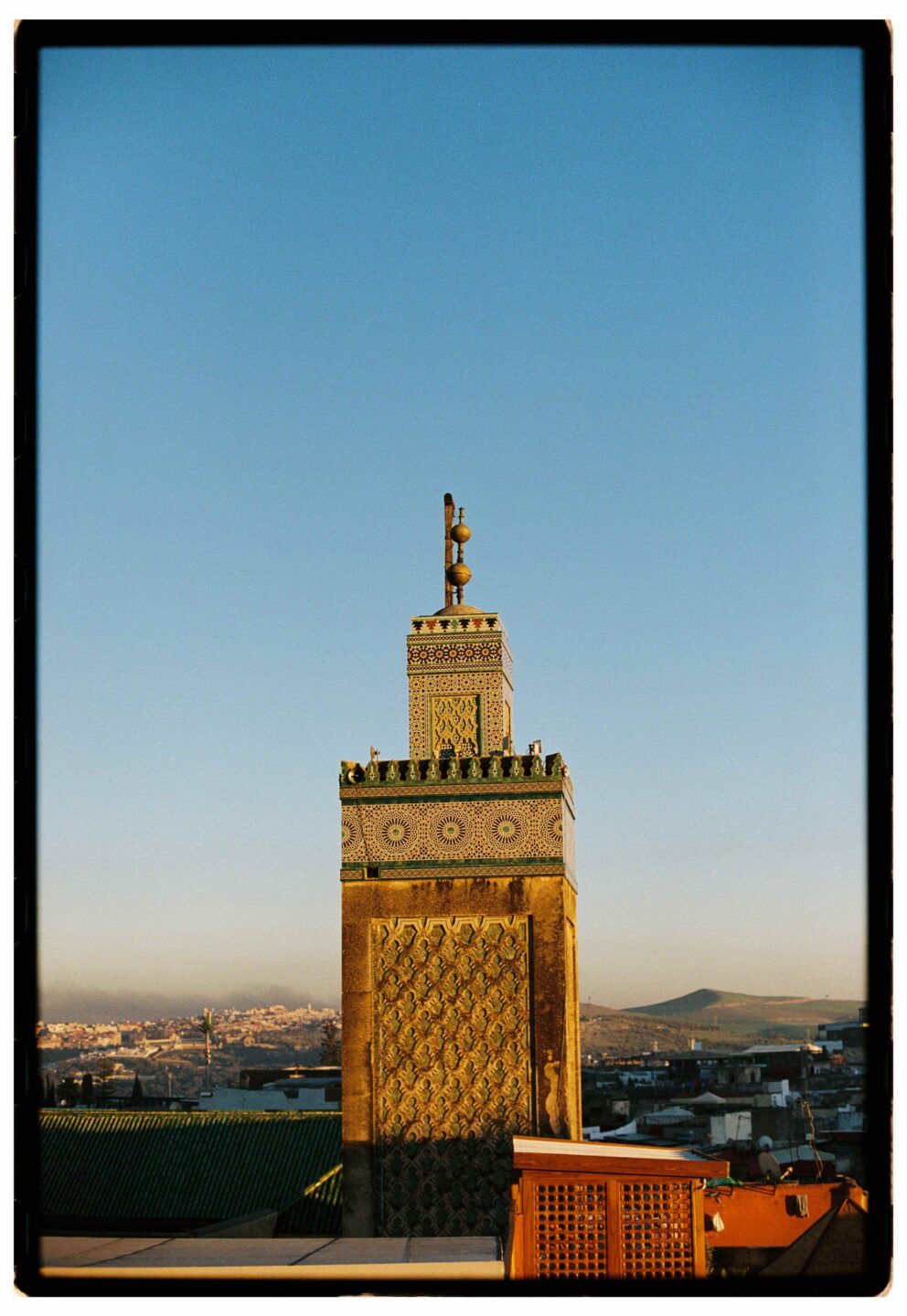
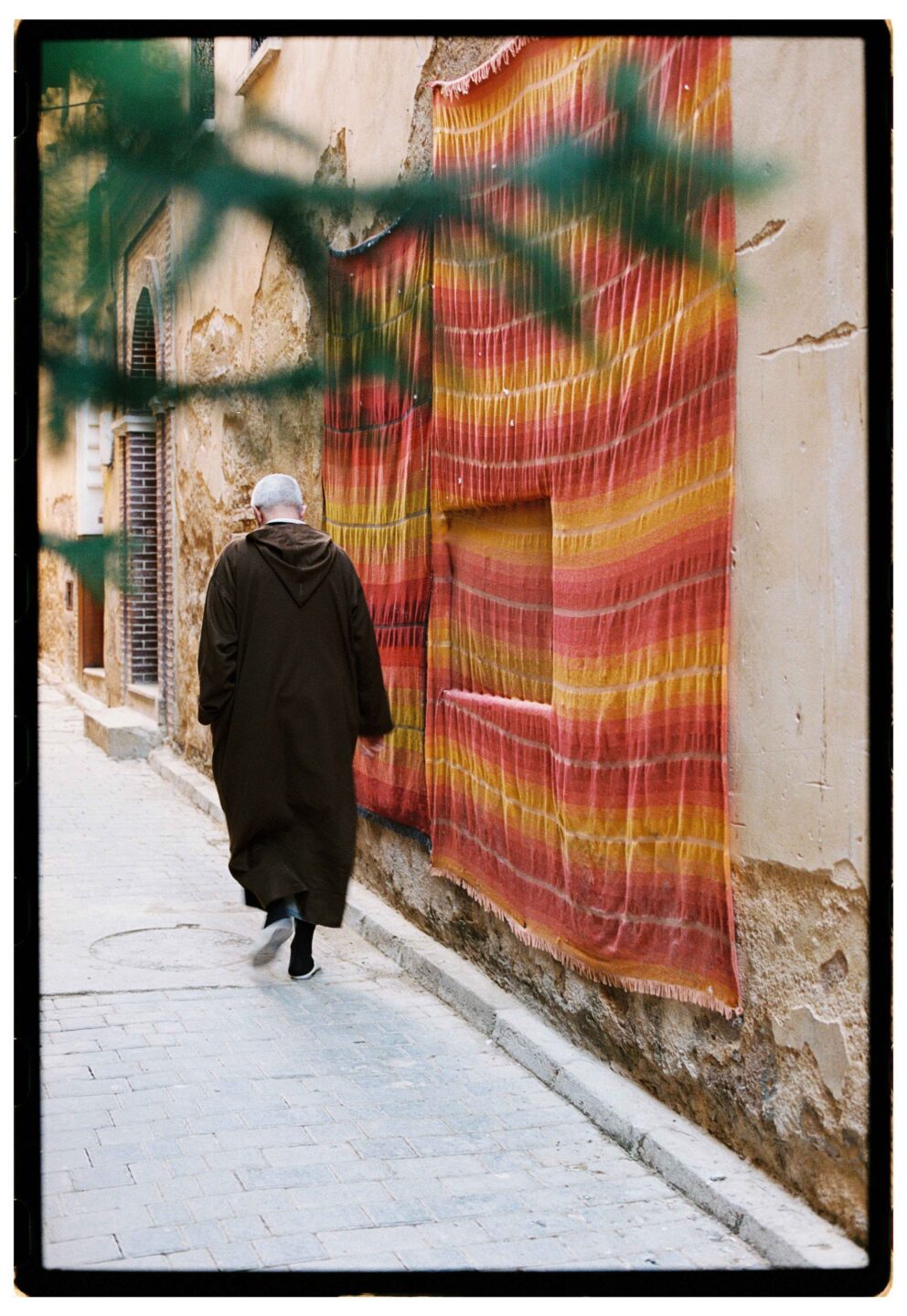
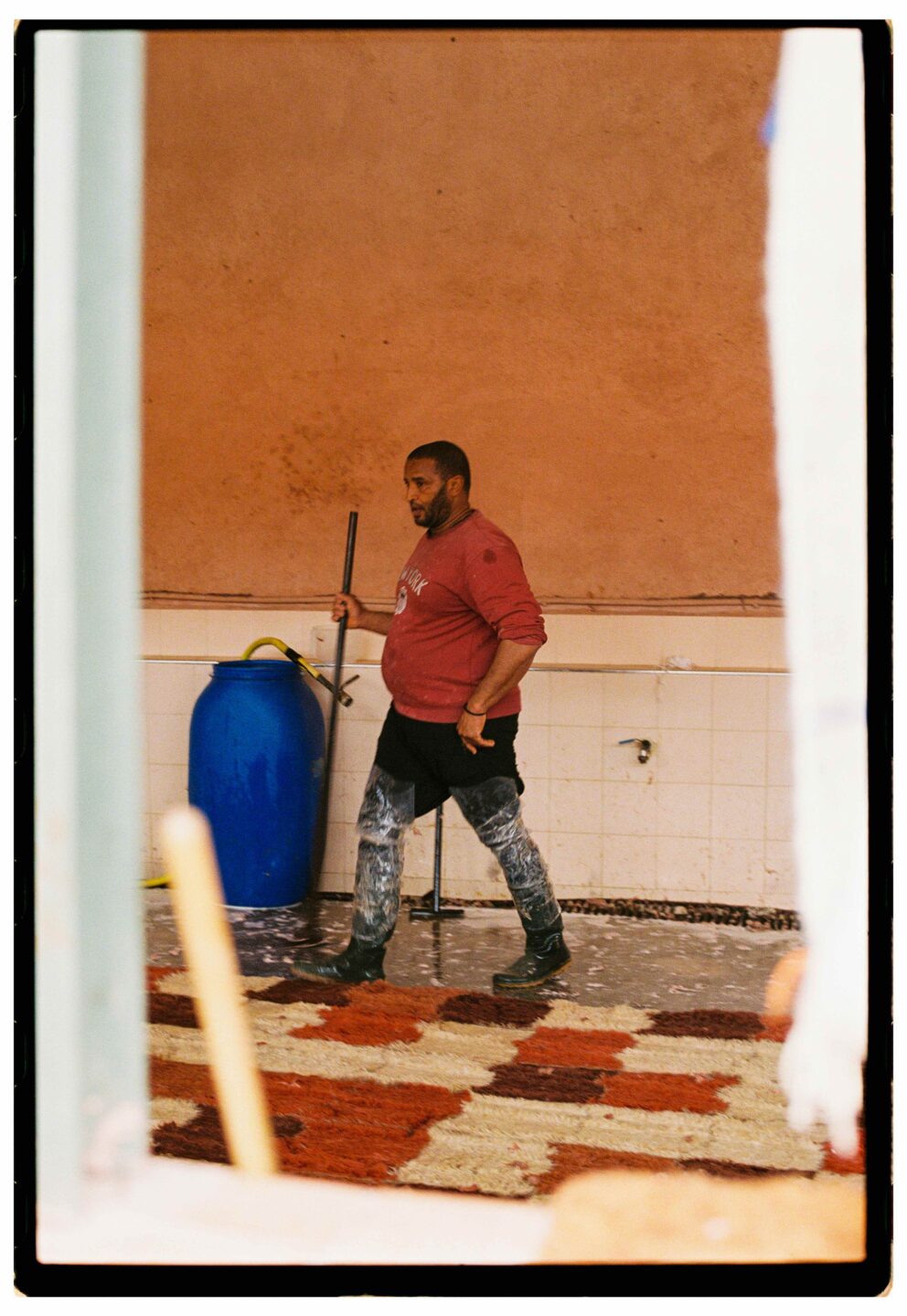
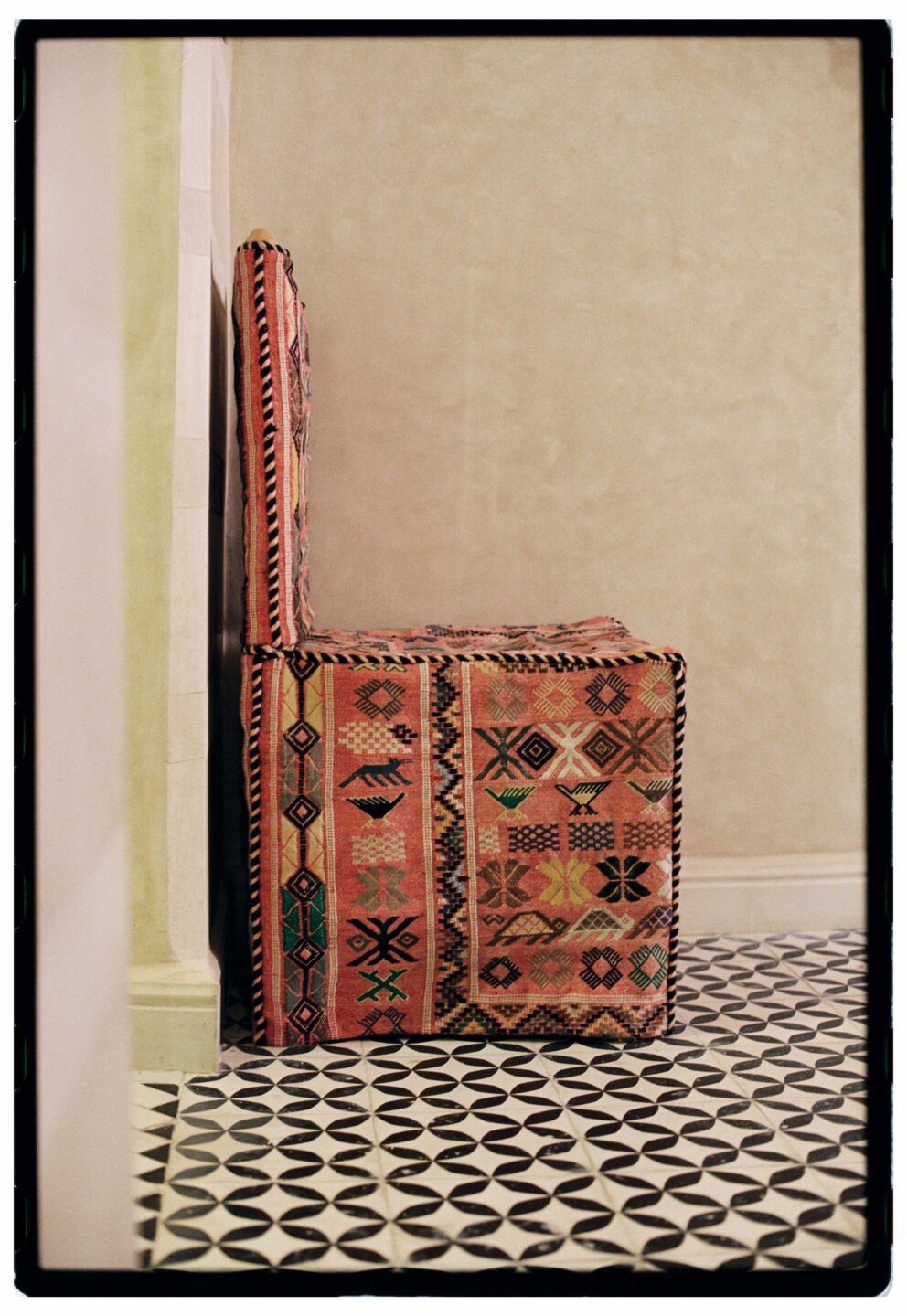
In Morocco, carpets appear everywhere: draped over walls, folded in doorways, warming quiet corners—still lives of colour. Beyond the medina’s vibrant maze of alleyways and hospitality lies a much older continuity: the weaving traditions of Amazigh and other ethnic communities, shaped by place, movement, and family knowledge.
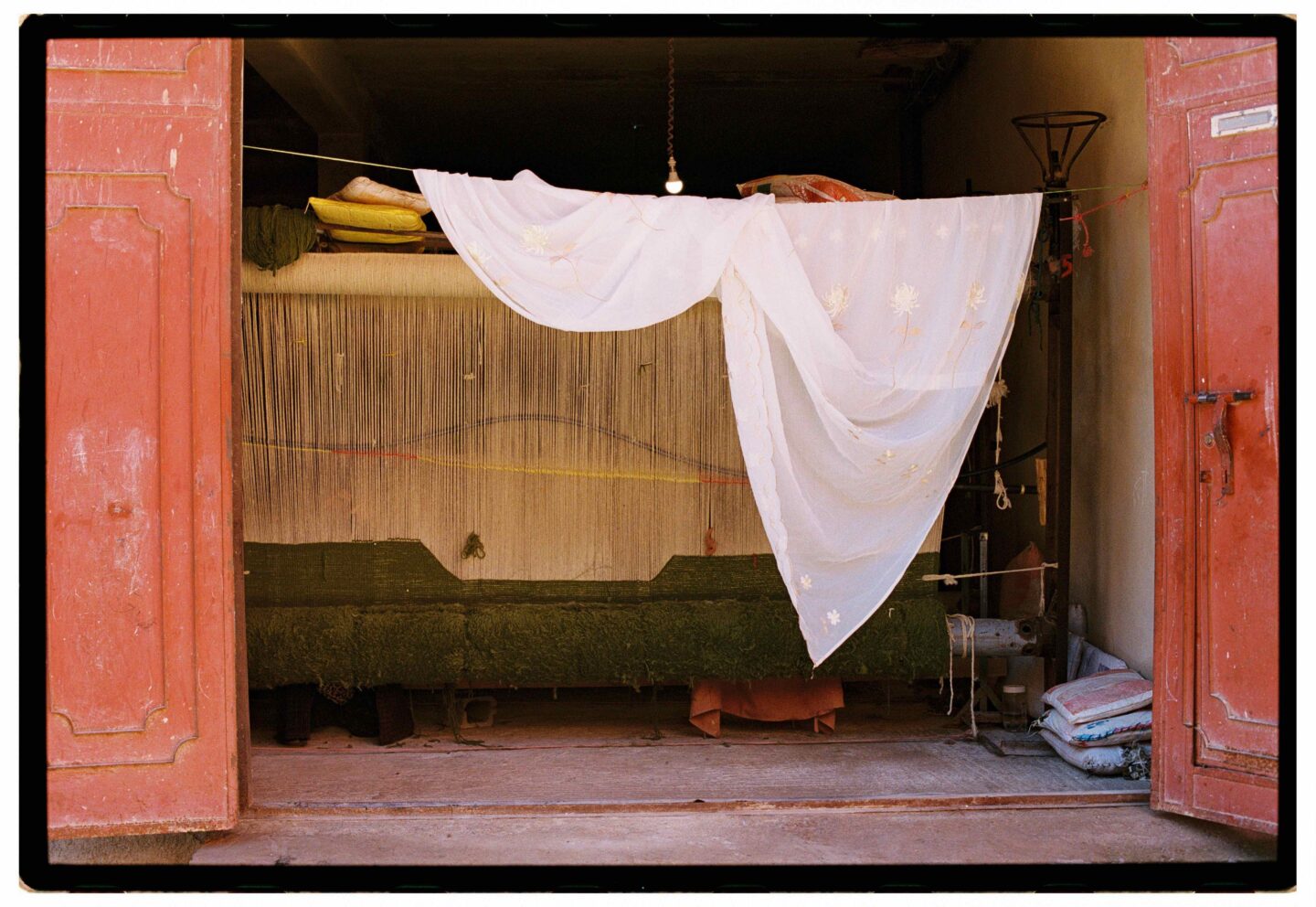
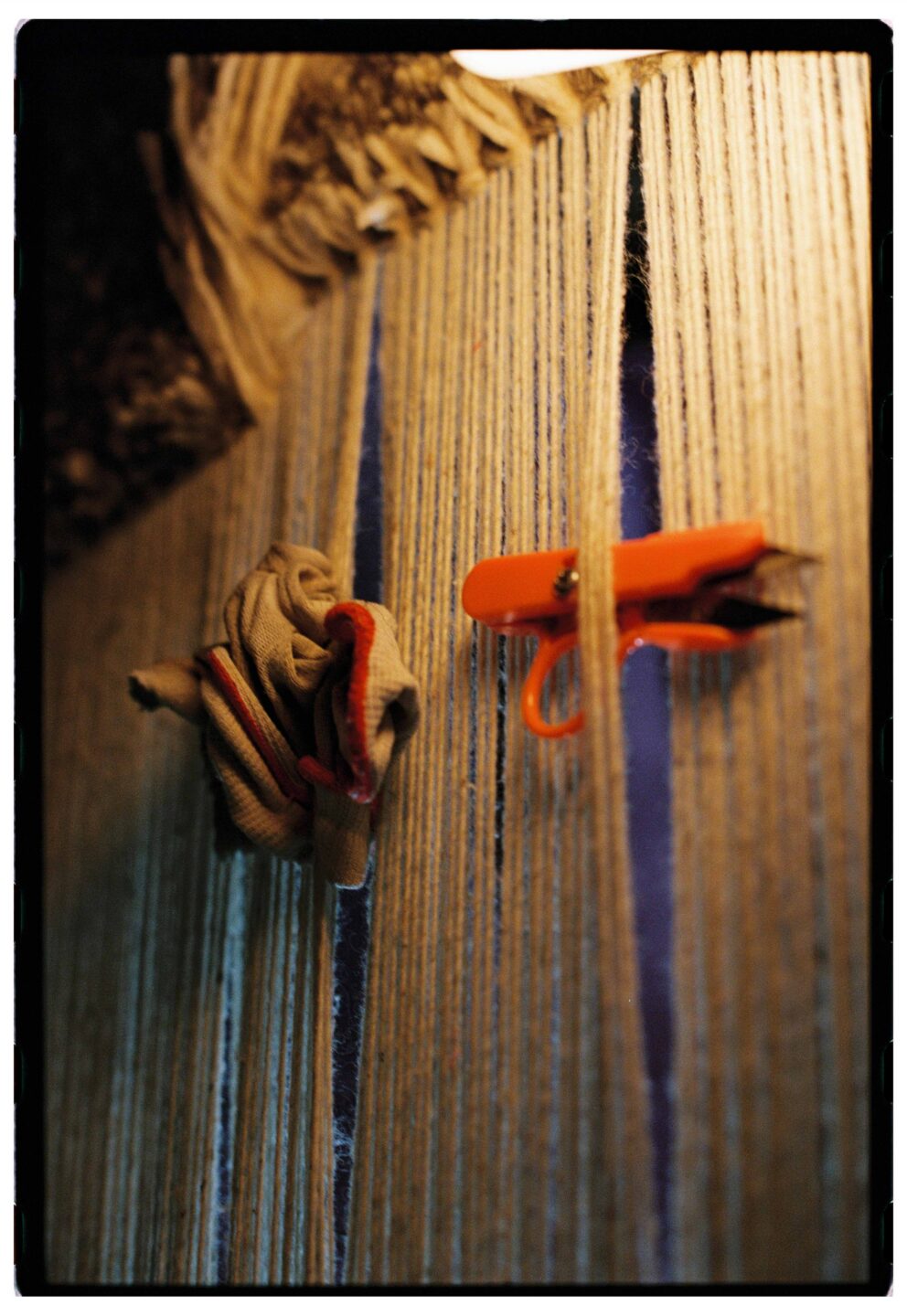
This visual story, shot entirely on film, is a small homage to the handmade and the processes shaped by time, skill, and human hands. At a time when digital speed defines production, the handmade feels urgent as a reminder of slower, time-honoured forms of human artistry. Yet this renewed appreciation often collides with how value is distributed.

Between Maker and Market
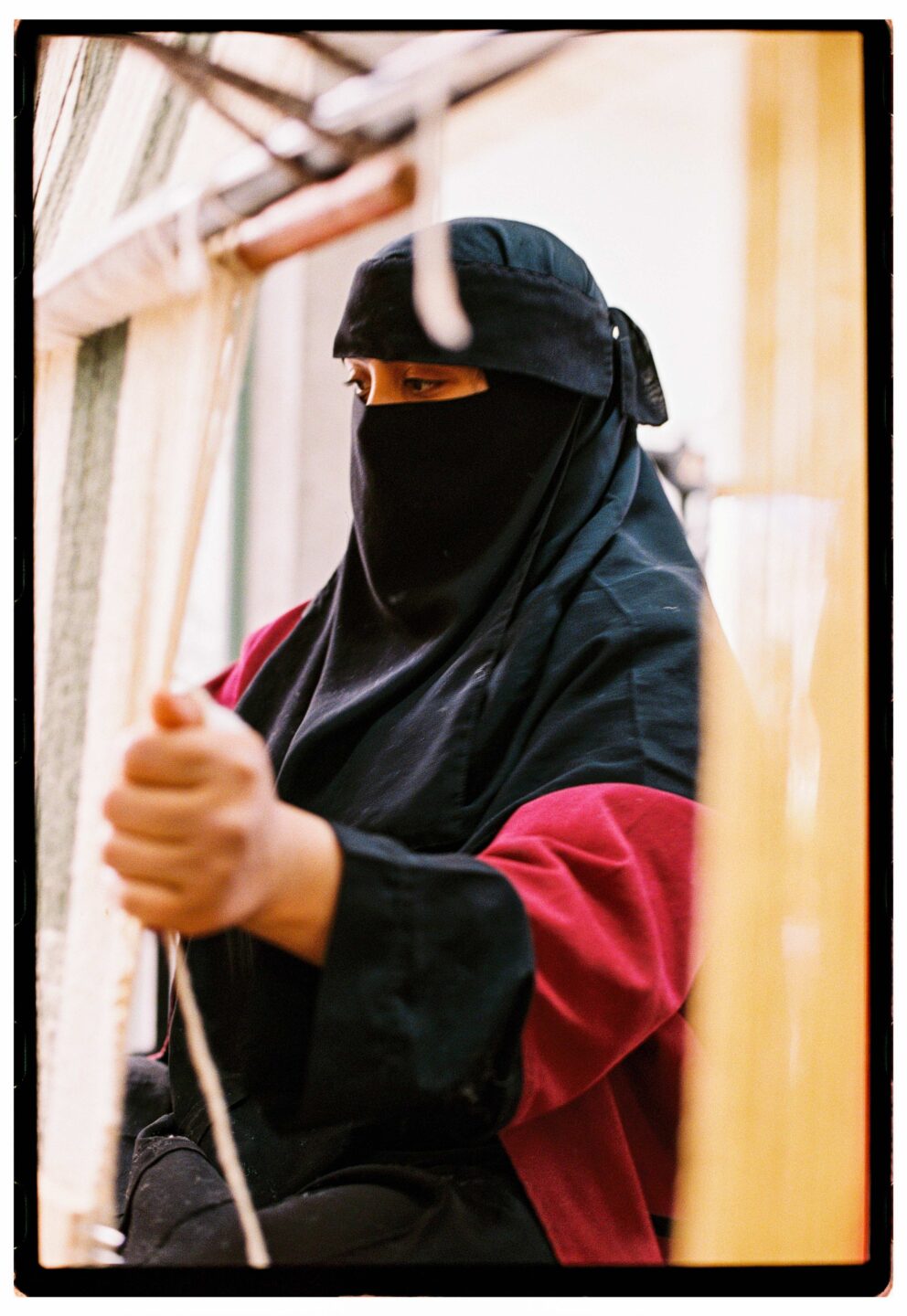
For centuries, carpets in Morocco were not luxury objects. They insulated homes in the Atlas Mountains, marked marriages and life transitions, and carried regional identity in their unique visual languages expressed through geometric patterns and dyes. Each weaving region developed its own visual language—transmitted not through textbooks, but through practice.
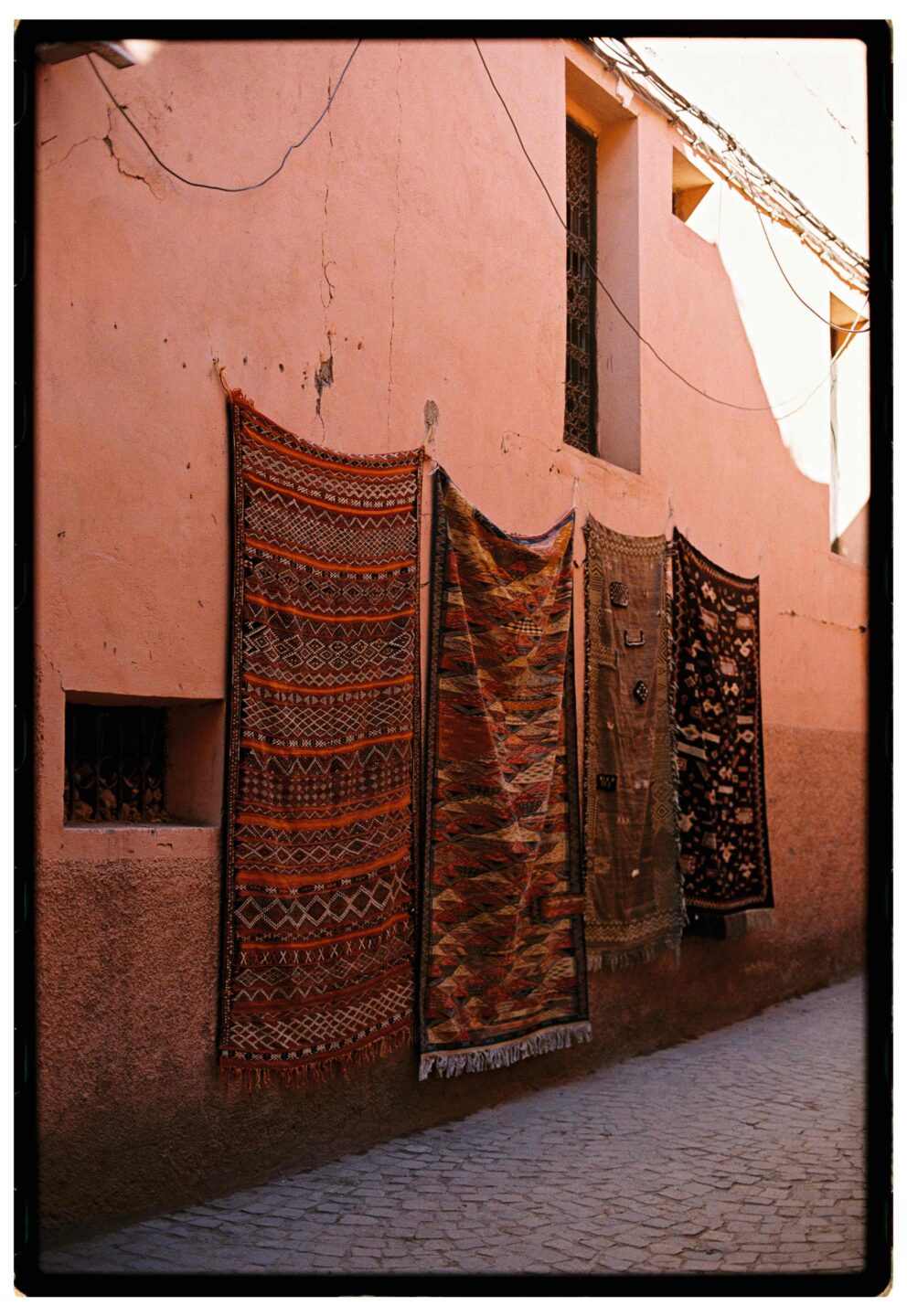


Today these textiles travel far beyond the landscapes where they are made. Moroccan carpets move from villages to urban workshops, then from traders’ storerooms to international showrooms and online marketplaces. In the process, they acquire new roles as collectible pieces, high-end design statements, or cultural artefacts within interiors worldwide. At the same time, during this journey the distance between maker and end consumer grows wide, and with it the visibility of labour. Hours at the loom, the preparation of wool, and the knowledge carried between generations rarely accompany the carpet as it enters new contexts. When this context disappears, the labour behind the object becomes harder to see and acknowledge, influencing how carpets are priced, traded, and how the work of artisans is valued across global markets.
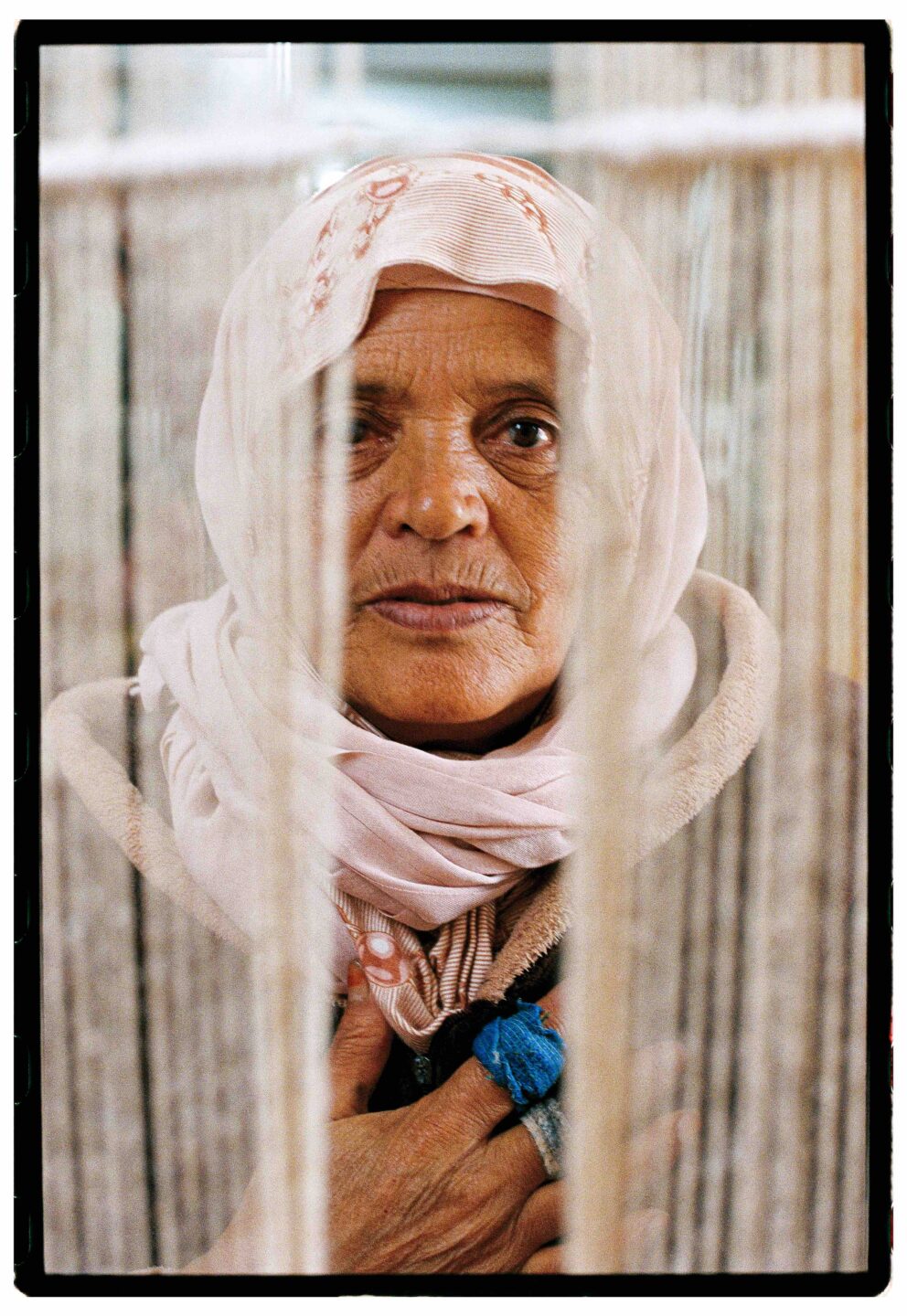

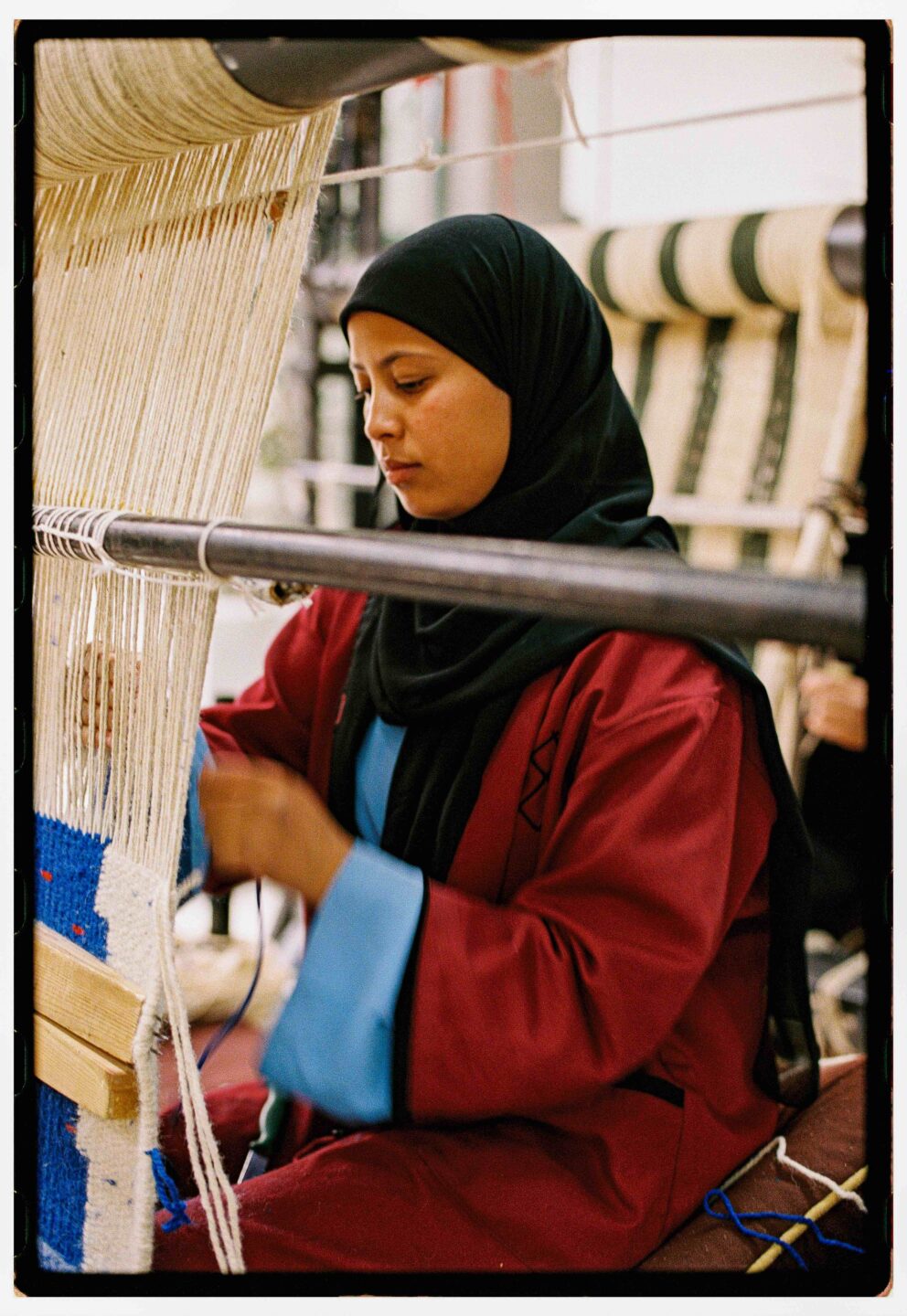
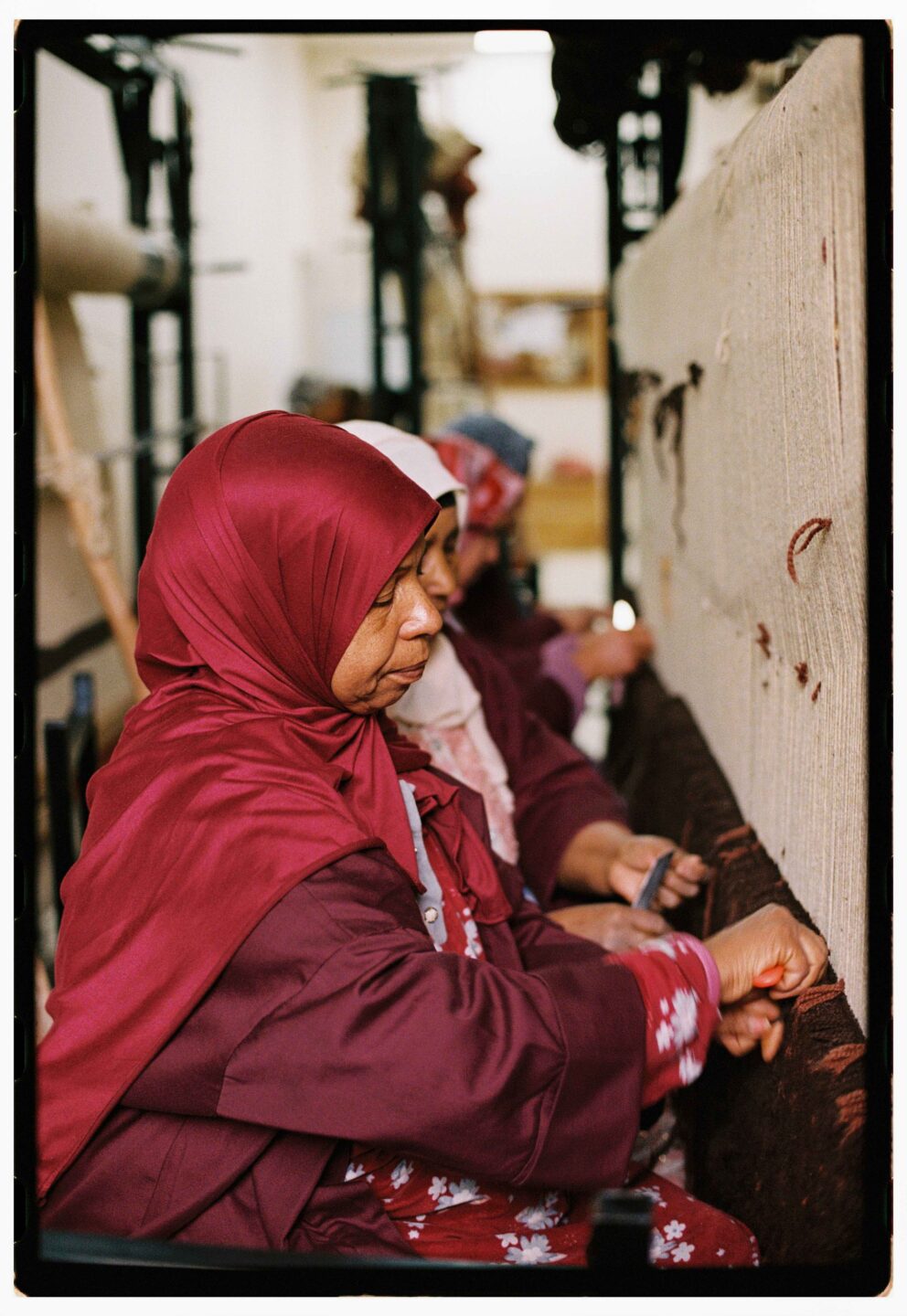
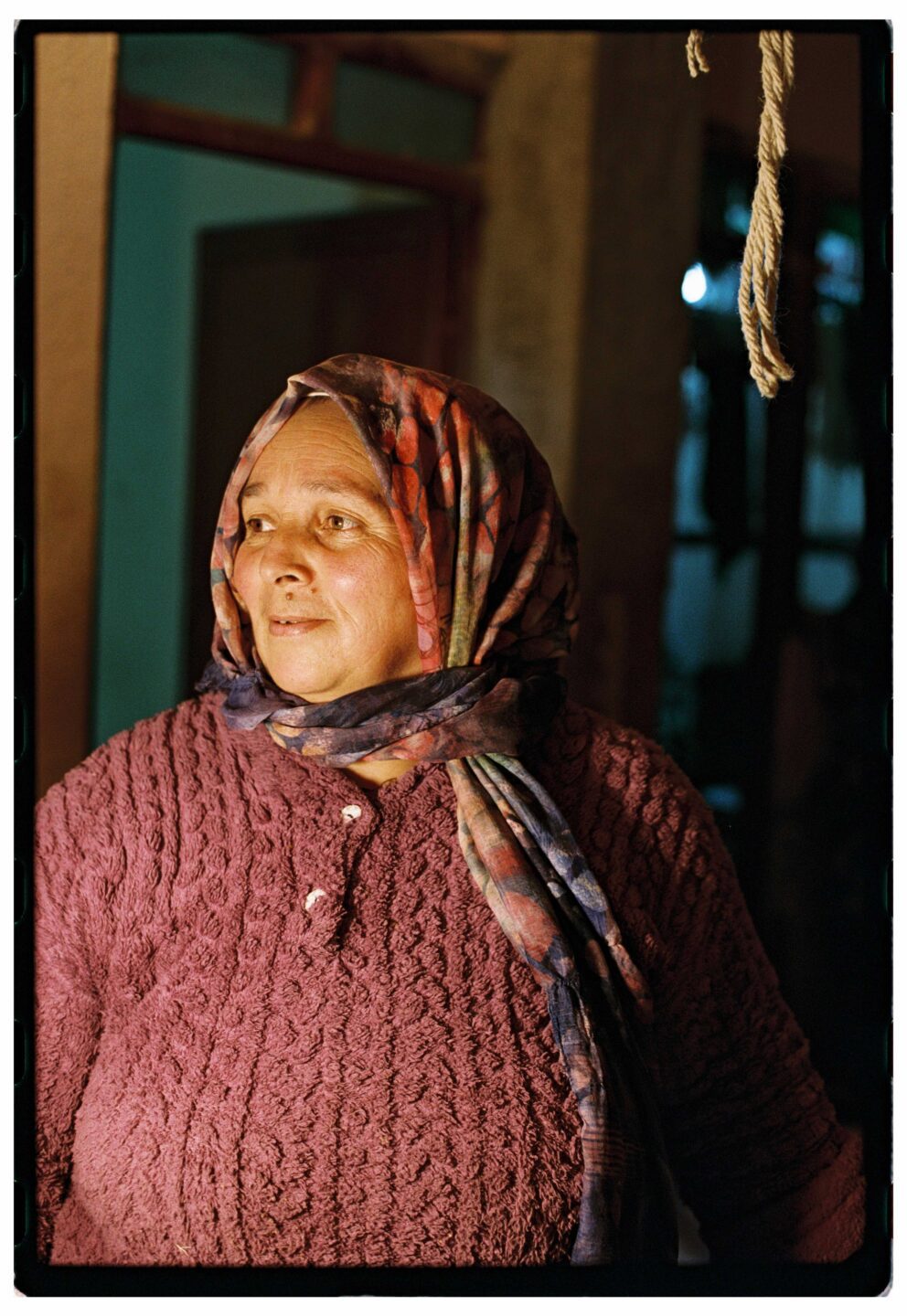
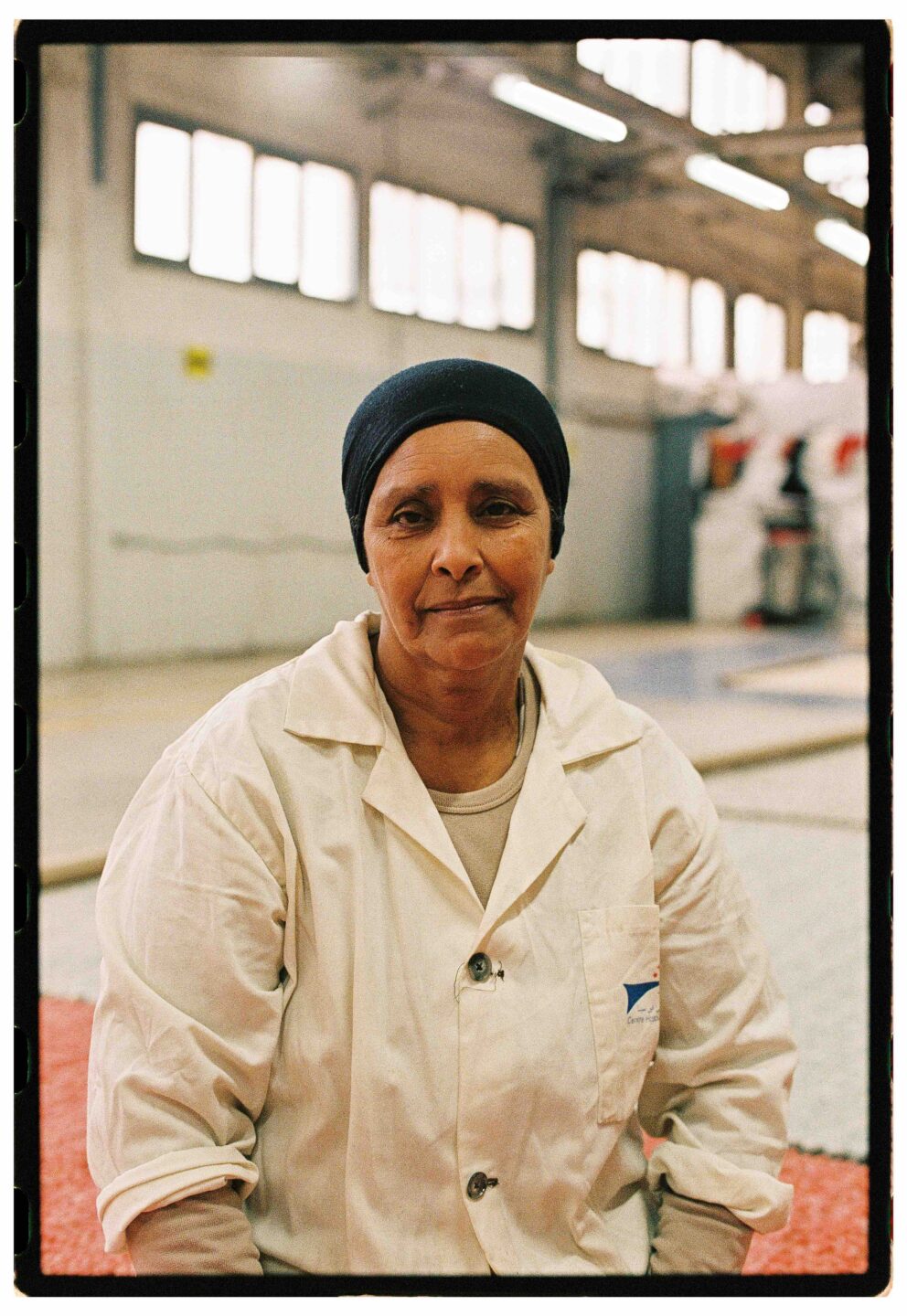
— Agida Jemna, 60, Weaver at Izza Berber“We sit together. We share everything.”
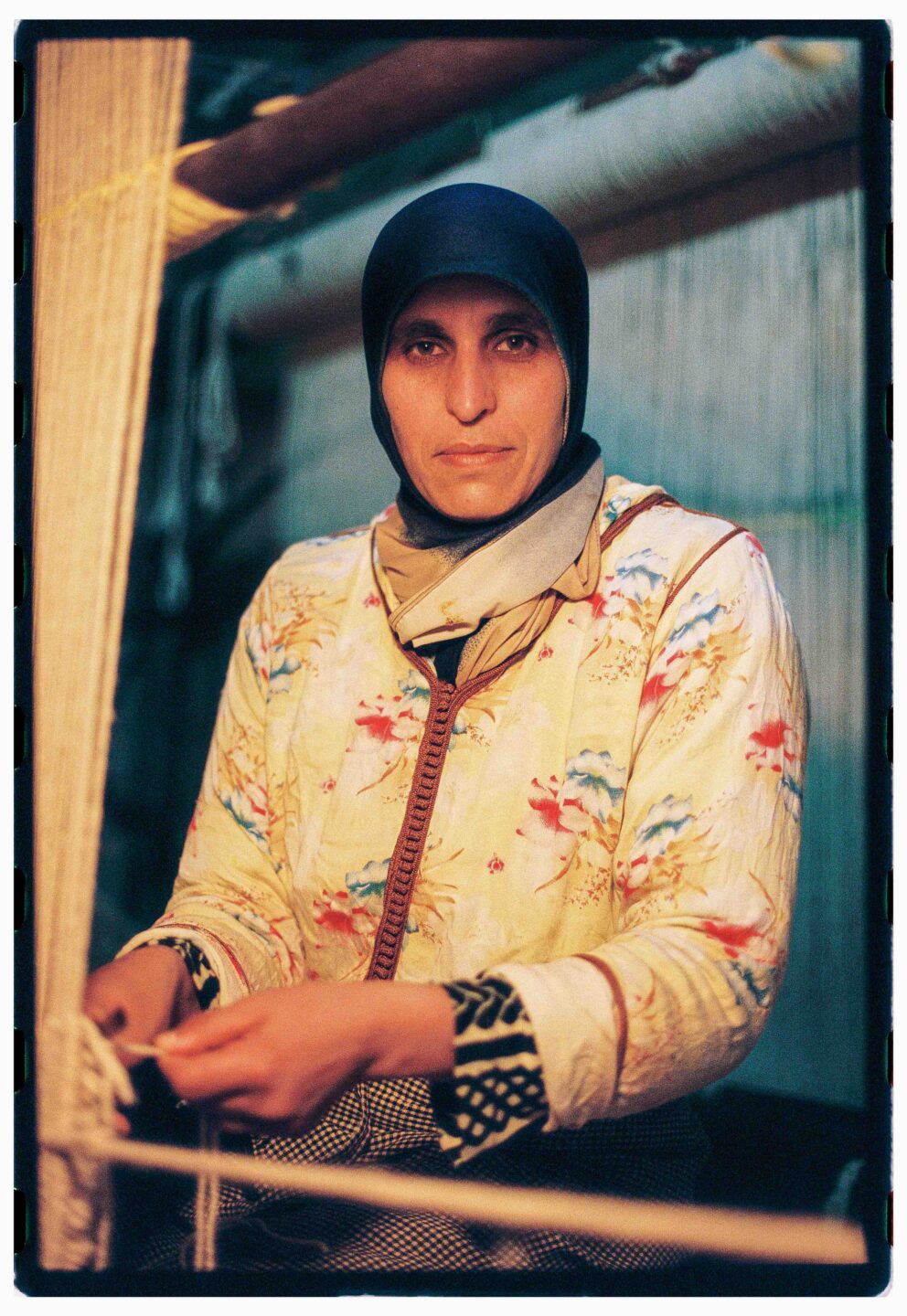
“Weaving is as fundamental as baking bread or cooking a meal — a skill that must be learned, practiced and passed on.”
— Hanane, 38, Weaver, Middle Atlas region

The Meaning of the Handmade
STEP’s work on behalf of artisans is dedicated to making visible the value of this labour. In this moment shaped by acceleration—including the automated production and generative design it carries with it—it is crucial to advocate for the alternative logic of the handmade. A carpet grows slowly through repetition and patience. Its value lies not only in form but in the time required to bring it into being. Regardless of whether it is recognized by all consumers, this may explain why handmade textiles continue to resonate beyond their place of origin. As daily life becomes increasingly digital, objects shaped through sustained physical work hold a particular weight. They remain grounded in materials, gestures, and skills that resist compression. Moroccan carpets sit within this tension. They are admired globally for their authenticity and visual language, yet the systems that circulate them often separate the object from the conditions that sustain it. Looking closely becomes a way of restoring some of that connection—recognising the labour, knowledge, and continuity that allow these textiles to exist.

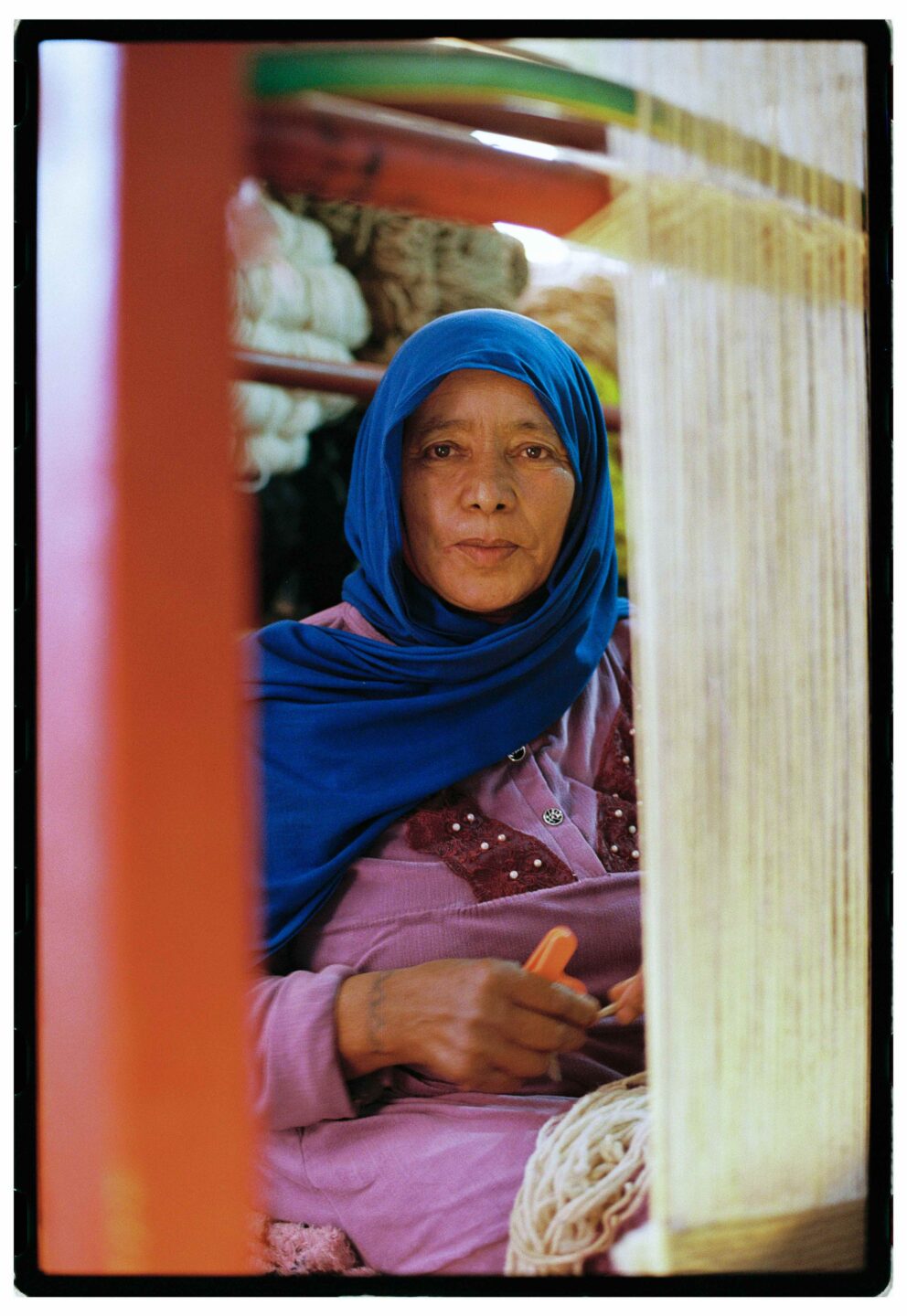


The question is not whether Moroccan carpets will continue to be desired. It is whether the systems that bring them to global markets can also ensure that the labour behind them is recognised and fairly valued.



A follow-up article will focus on the work of Label STEP in Morocco in collaboration with Maison de l’Artisan and its licensed partners.