
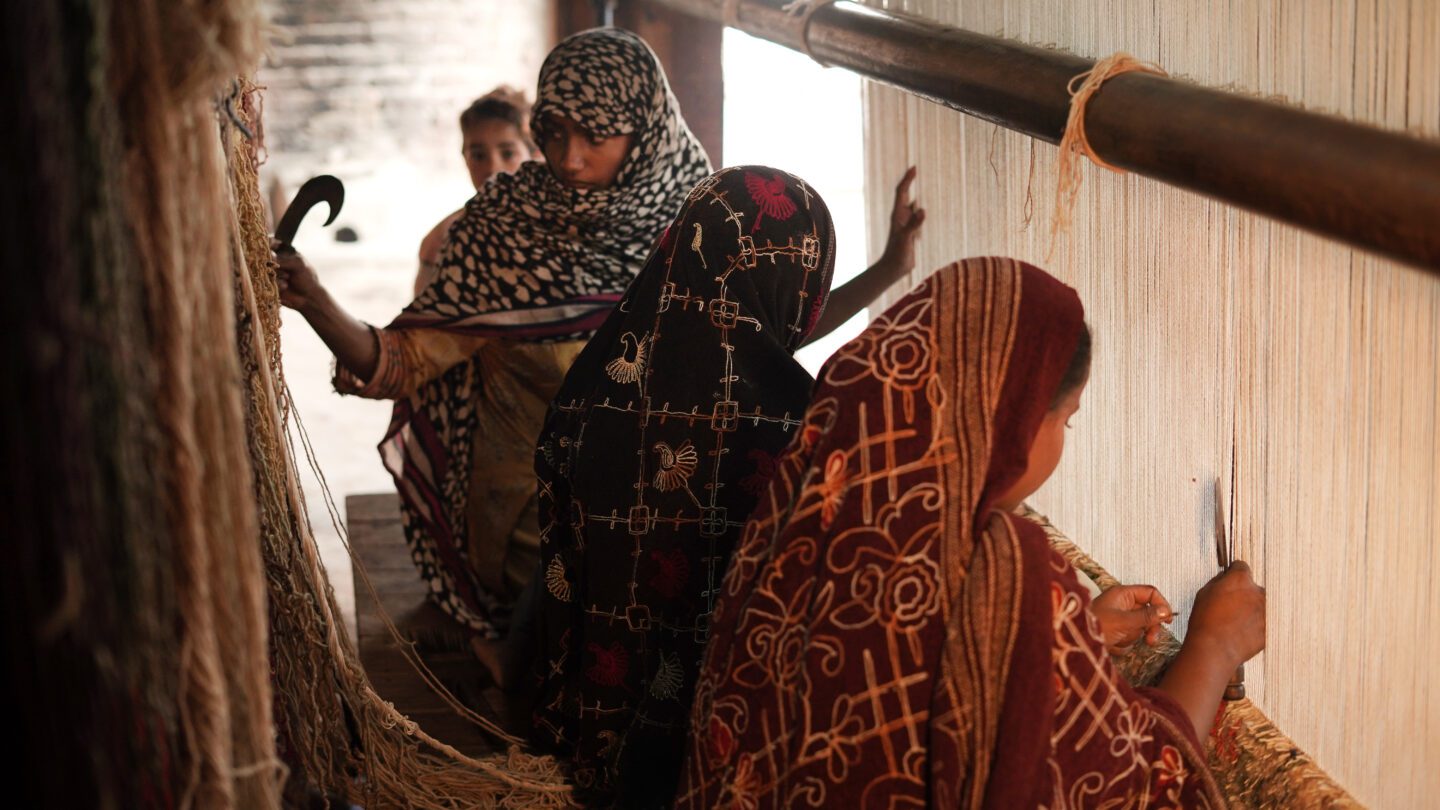
The Women Weaving Centre in Feroze Watwan, Sheikhupura district of Pakistan, is part of Women Weave Change, a community-based initiative developed in partnership with the Democratic Commission for Human Development (DCHD). Initiated in late 2025 by Minahil Mobeen, a student at the University of Richmond, and supported by STEP Pakistan, the project aims to empower women through traditional handicrafts while integrating child care, health, and rights-based support into daily work.
A Collaborative Initiative Rooted in Local Partnerships
The Women Weaving Centre in Feroze Watwan emerged from a collaborative effort responding to the long-standing economic marginalisation of women carpet weavers in the region, many of whom have been confined to home-based production with limited income stability and bargaining power. Established in August 2025 by University of Richmond student Minahil Mobeen—using funding from a Projects for Peace grant awarded to her by the university—the initiative was conceived to strengthen women’s productivity, income security, and collective agency while preserving traditional handicrafts within Pakistan’s handmade carpet sector.
Together with the Democratic Commission for Human Development (DCHD), a Pakistani human rights organisation with long-standing experience in women’s and labour rights, the project helped establish the Women Weaving Centre as a shared workspace with child care and rights-based support. Reflecting on the project in an article published by the University of Richmond, Mobeen described how community-led initiatives can foster lasting change. She emphasised that peacebuilding, in this context, begins with creating dignity and opportunity at the local level: “Women Weave Change taught me that peace begins with threading together dignity, opportunity, and resources to help communities design their own lives,” said Mobeen. “As I witnessed the weavers gain confidence in their craft and financial independence, I was reminded of how small, community-driven steps can initiate long-term, sustainable development.”
As the centre developed, Label STEP Pakistan began supporting the initiative through fair-trade guidance, industry knowledge and technical support, workplace monitoring aligned with its standards, and integration into existing empowerment and health support work. A key aspect of this support lies in STEP’s role as an intermediary within the handmade carpet industry, facilitating links with leading exporters and STEP license holders and enabling the integration of the women’s work into high-end, fair-trade supply chains. This market integration is essential to ensuring that participation in the centre can translate into sustainably improved wages and working conditions over time. Conceived as a replicable model, the centre connects women’s economic empowerment with labour rights protection and community resilience within Pakistan’s handmade carpet industry.
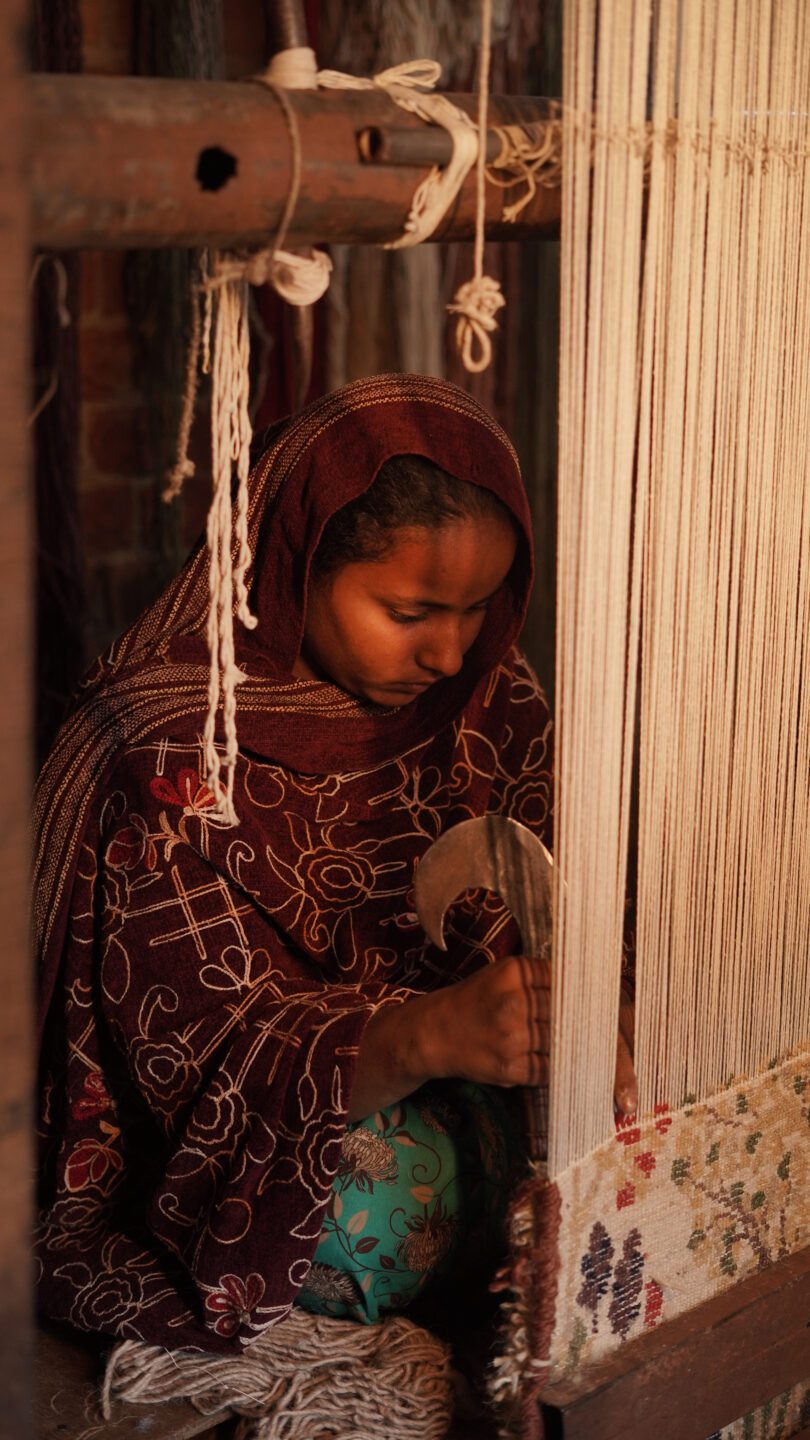
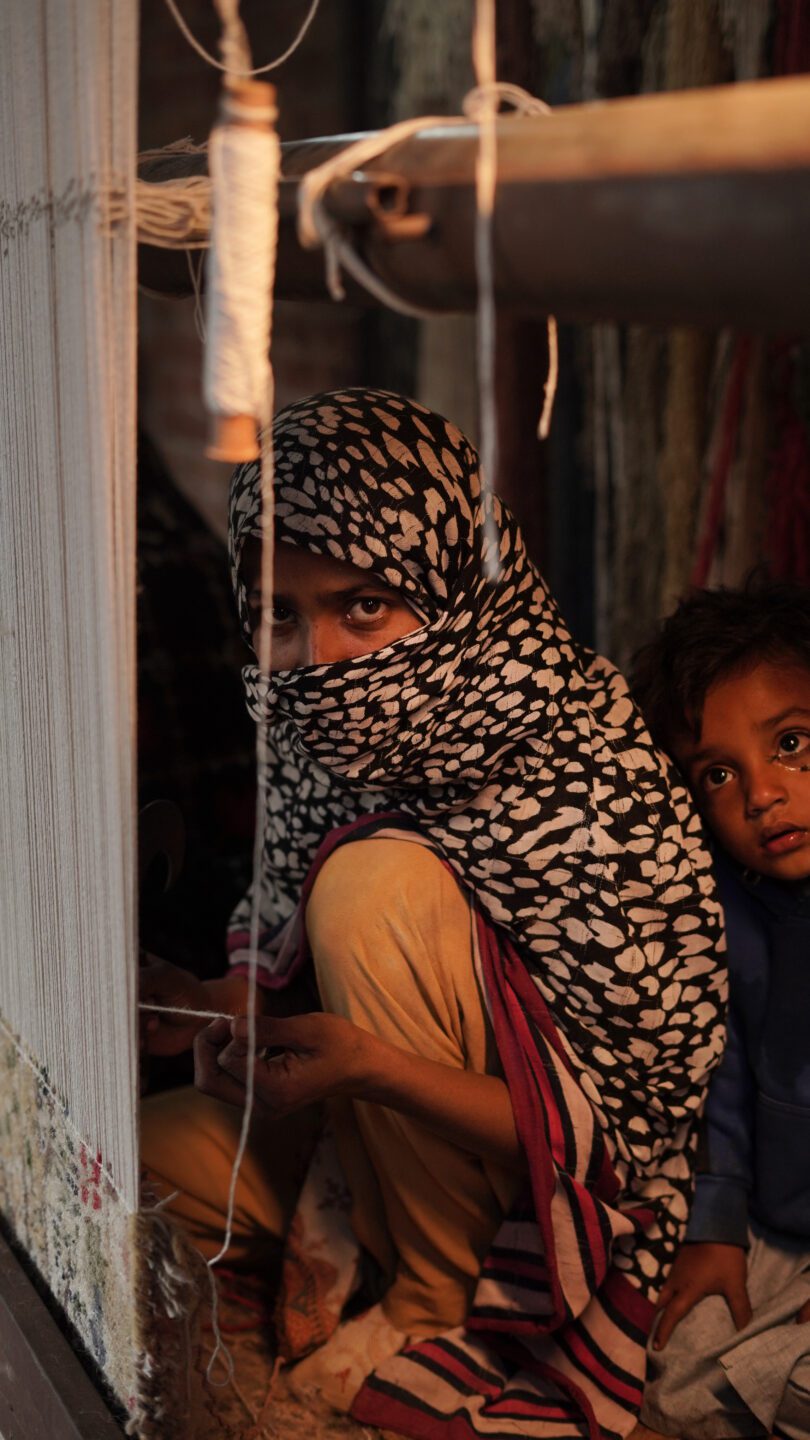
“Women Weave Change taught me that peace begins with threading together dignity, opportunity, and resources to help communities design their own lives.”
— Minahil Mobeen, quoted in University of Richmond News, September 10, 2025
“As I witnessed the weavers gain confidence in their craft and financial independence, I was reminded of how small, community-driven steps can initiate long-term, sustainable development.”
— Minahil Mobeen, quoted in University of Richmond News, September 10, 2025
A Women-only Space Responding to Everyday Realities
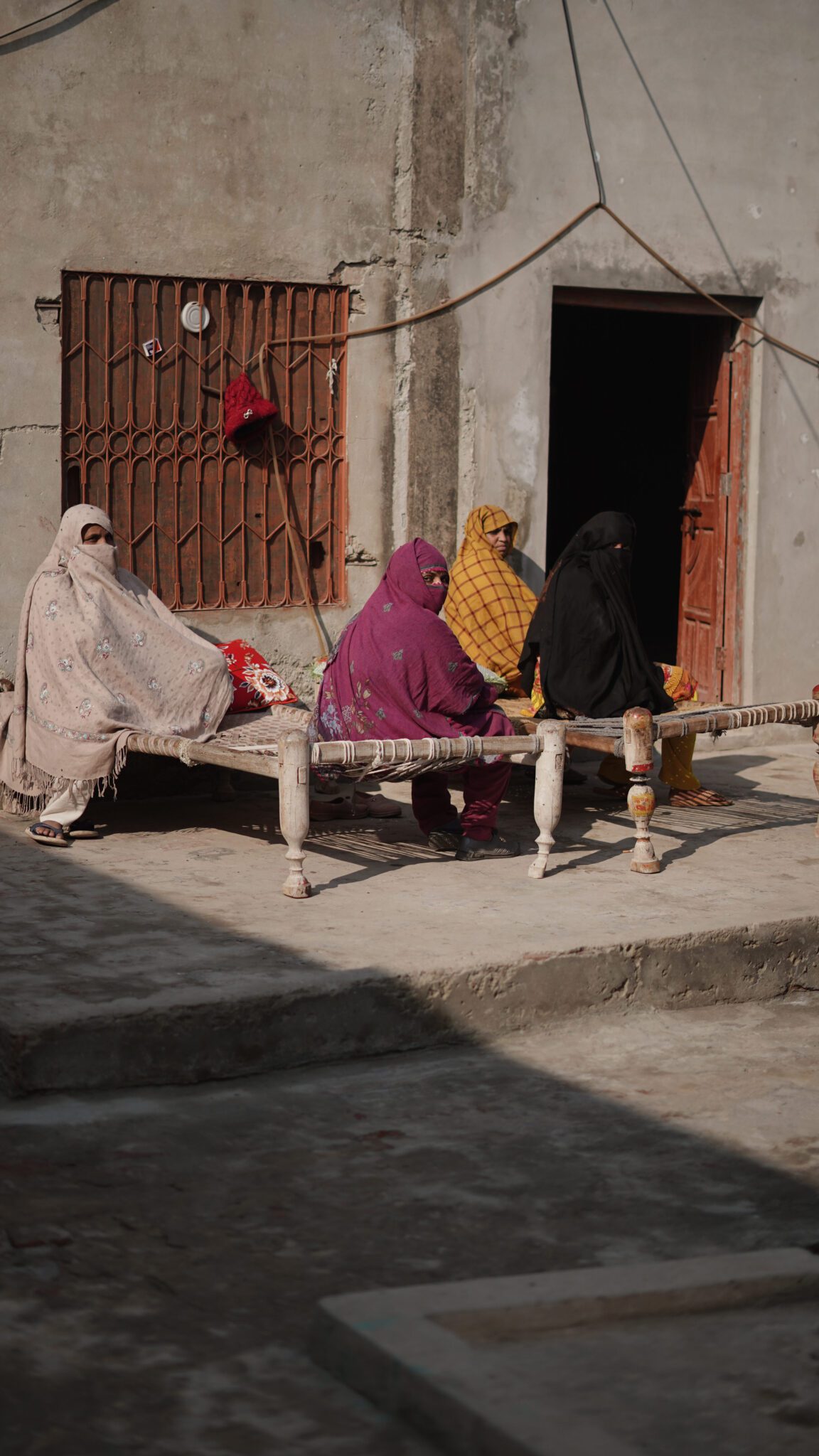
In Pakistan’s handmade carpet industry, many women continue to work from home or in informal settings shaped by care responsibilities, limited mobility, and concerns around safety and dignity in mixed work environments. For women with young children, the absence of reliable child care often restricts their ability to participate consistently in paid work.
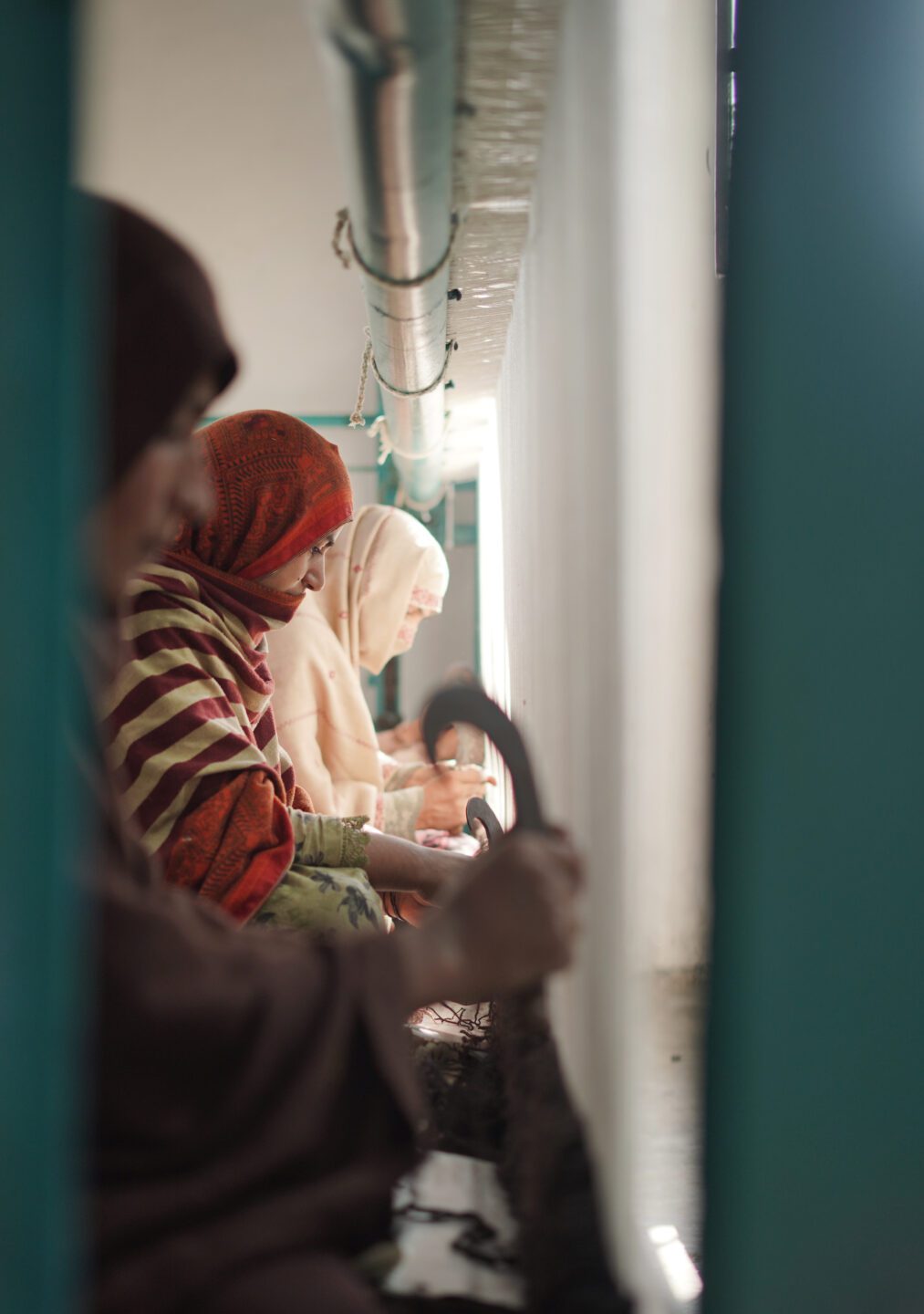
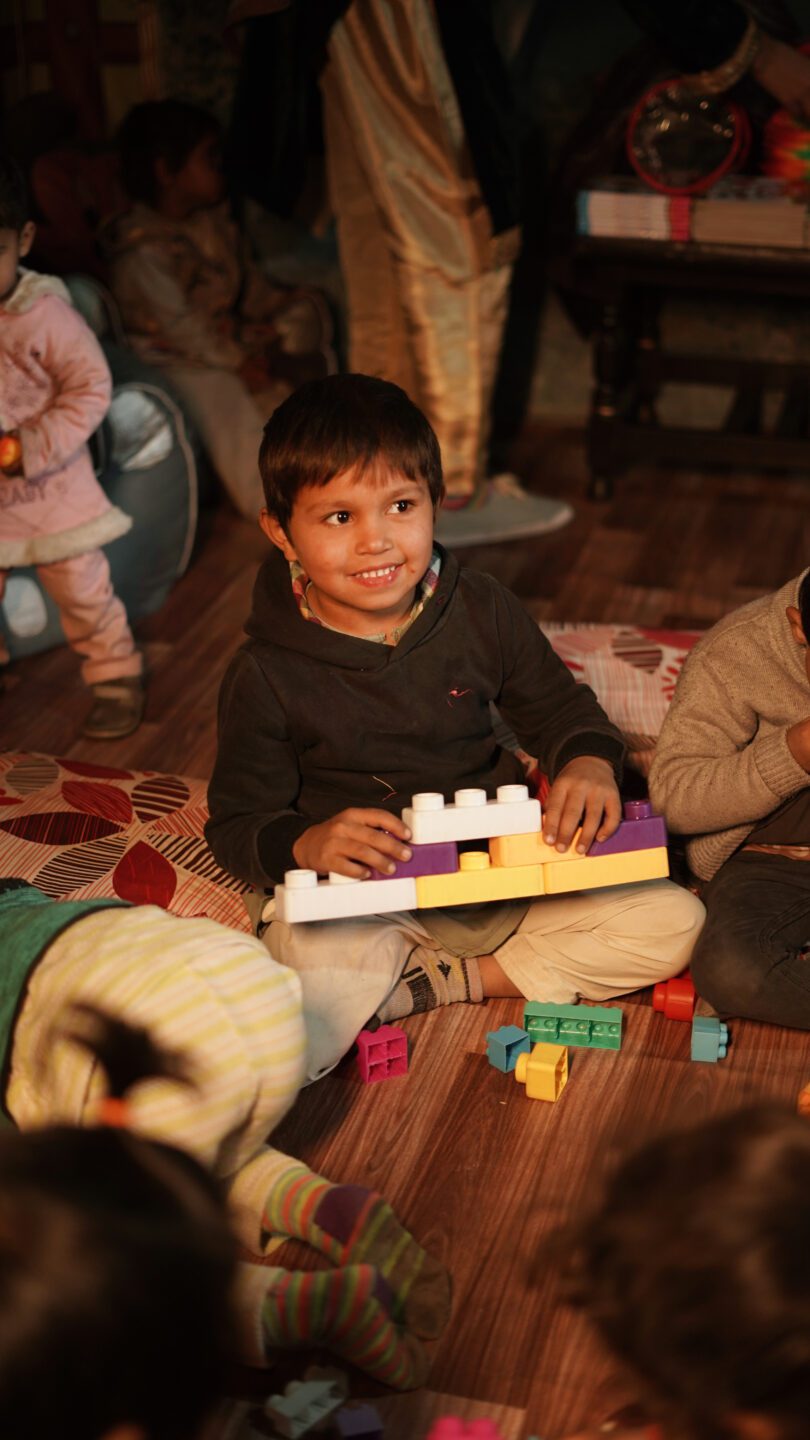
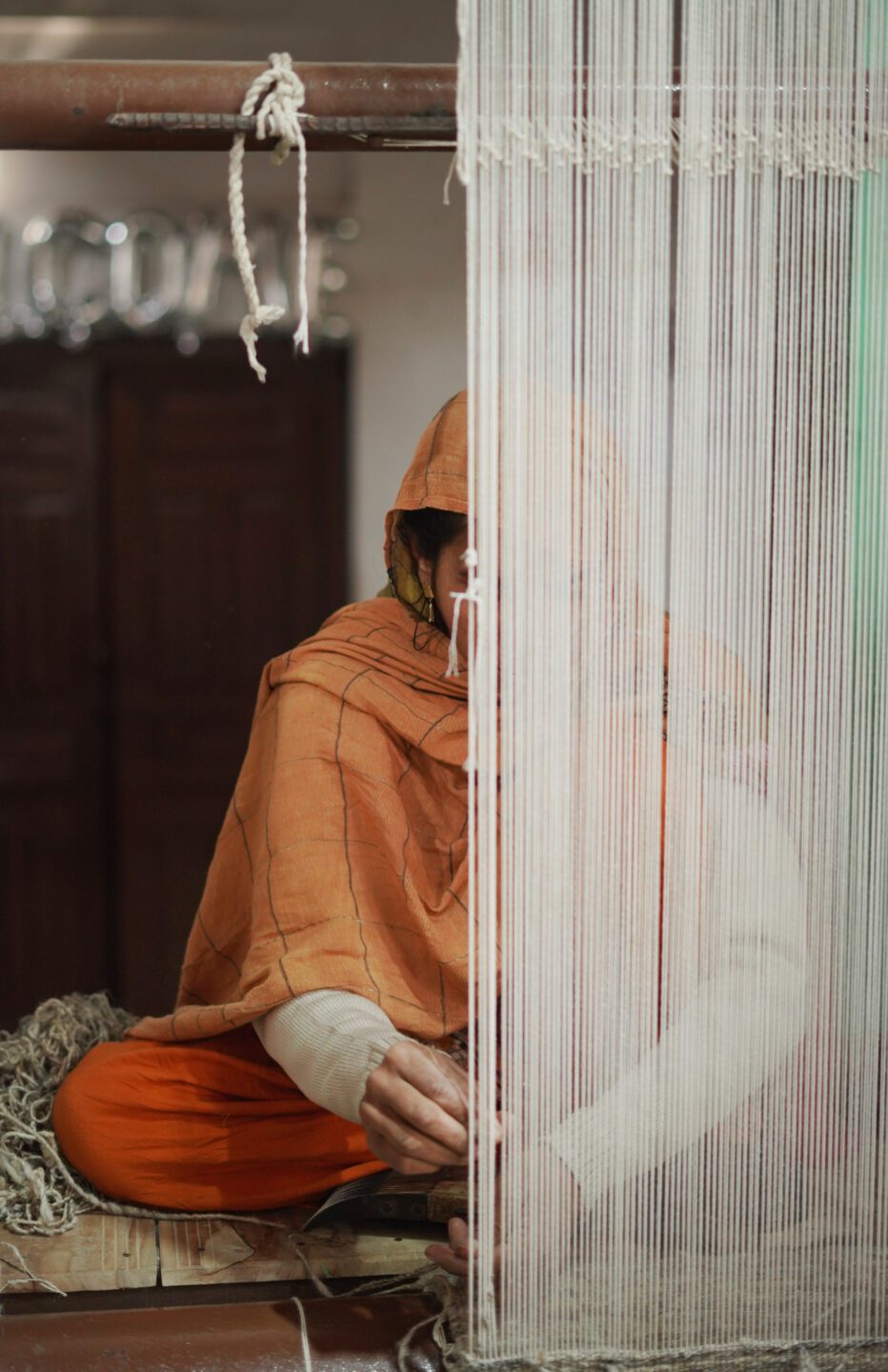
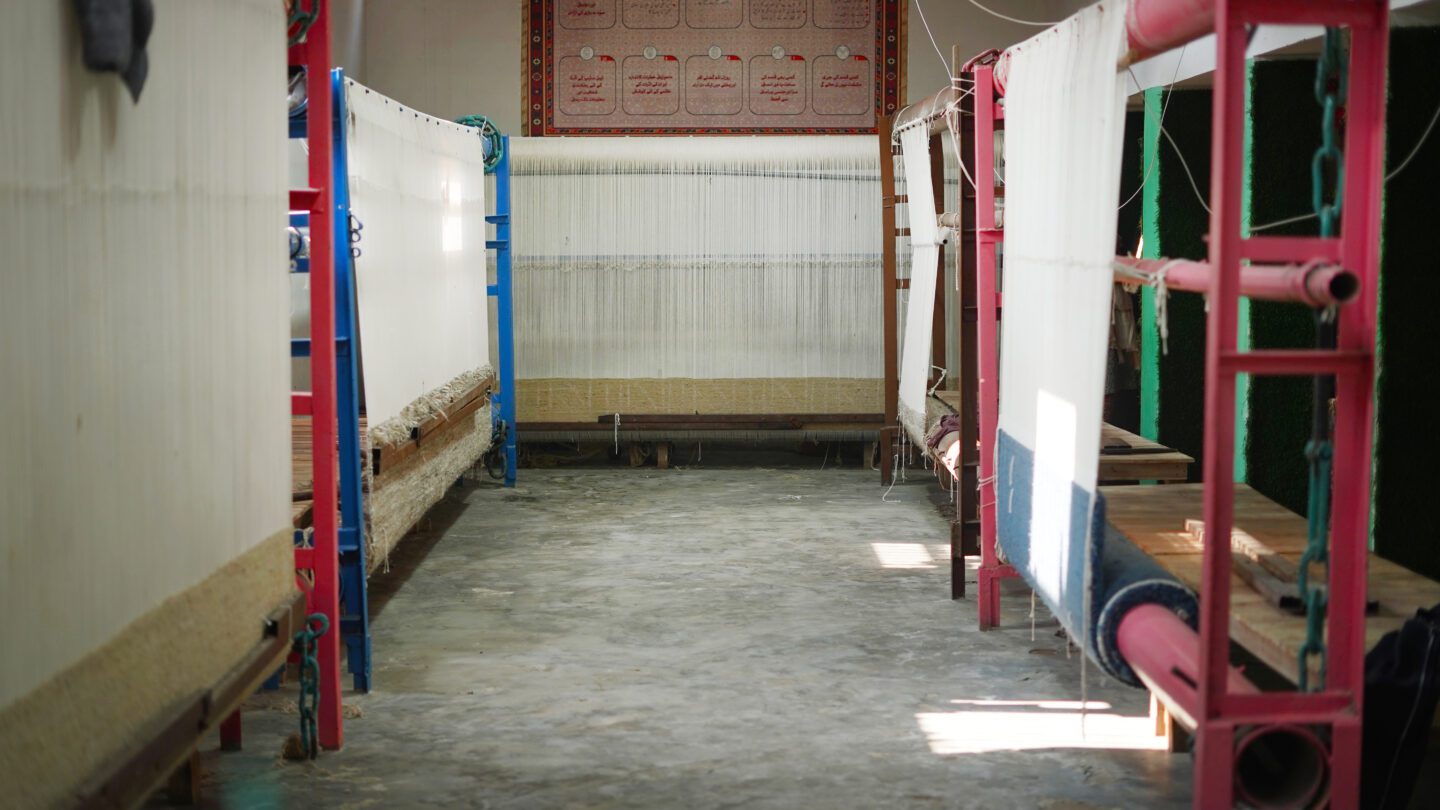
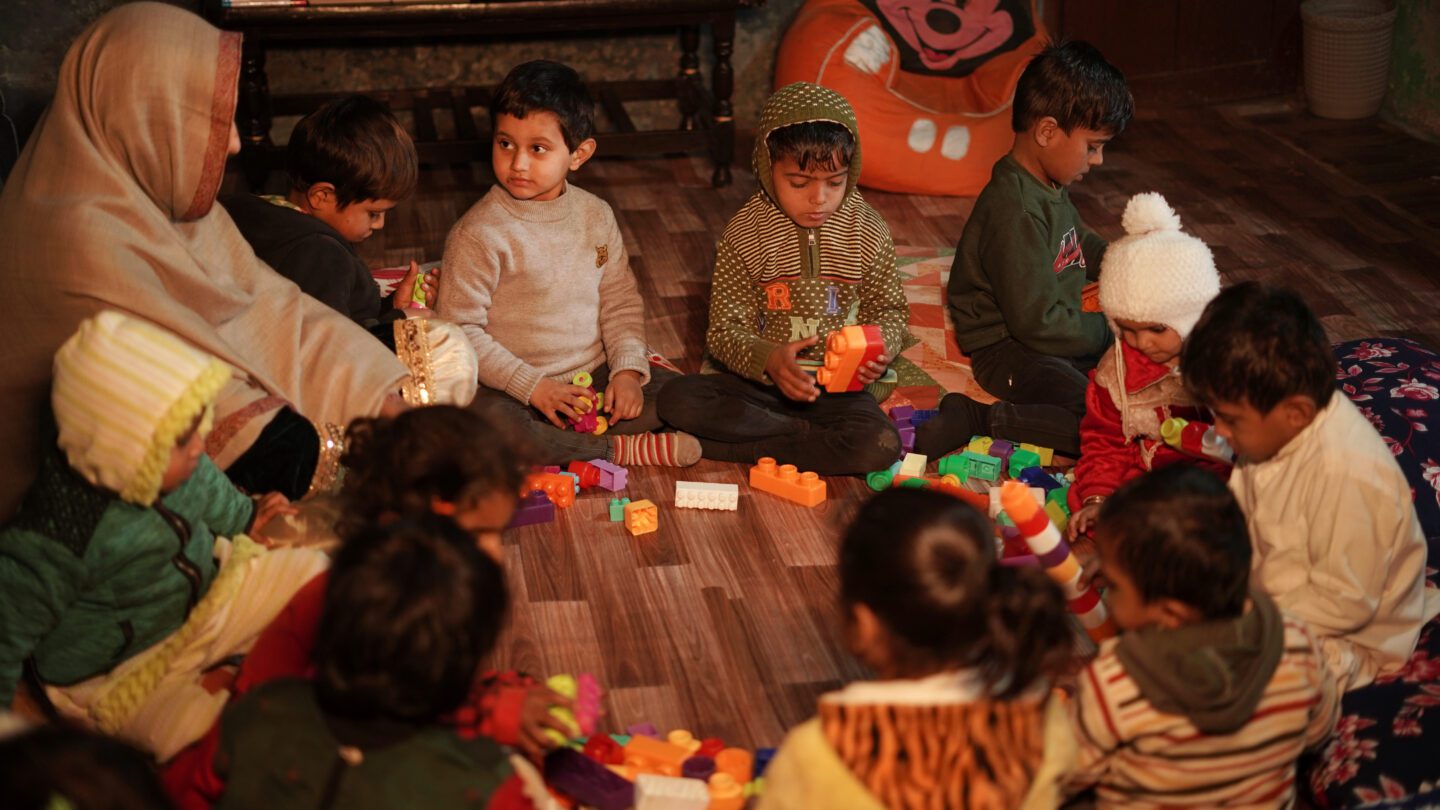
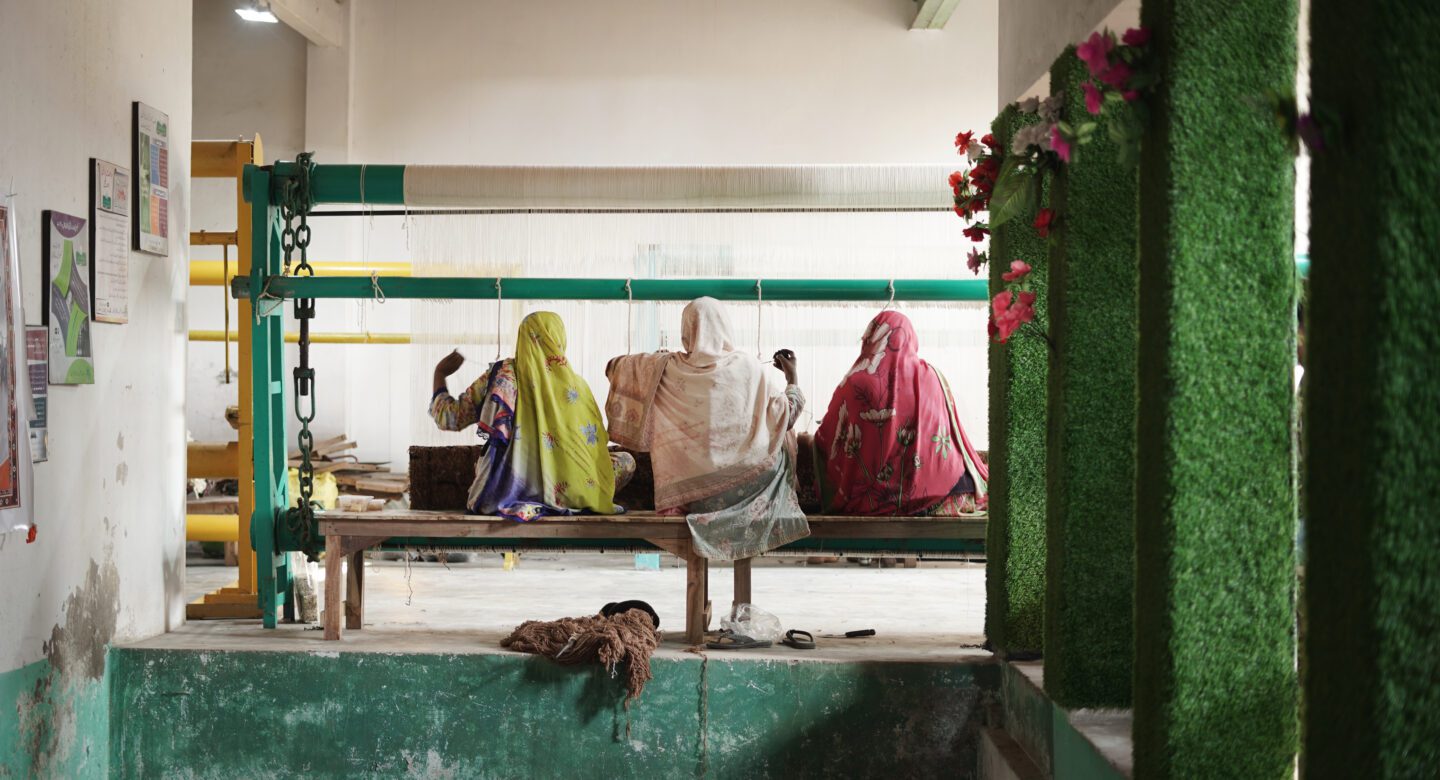
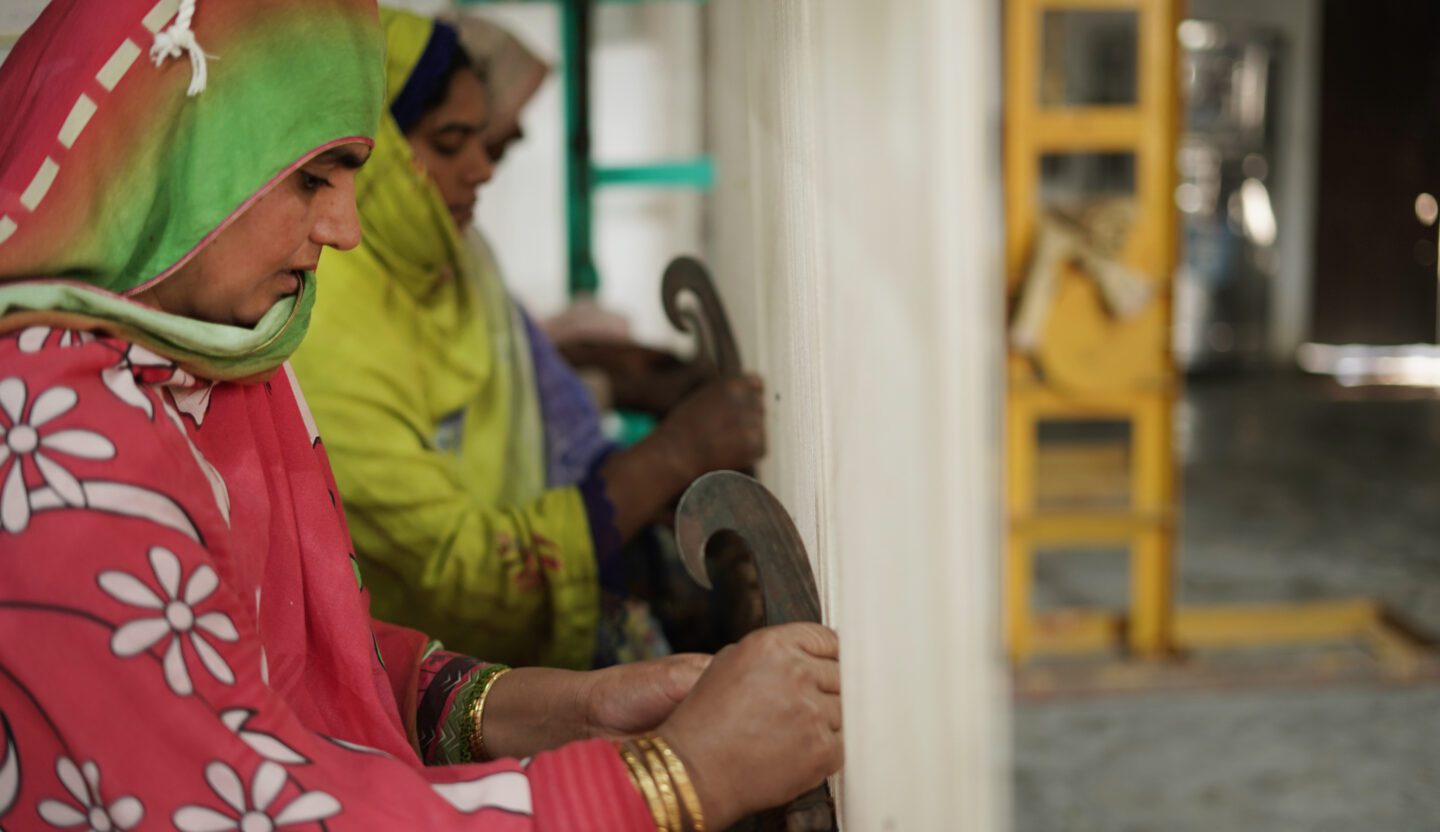
The centre, located in Feroze Watwan, is designed as a women-only workspace with structured working hours, appropriate facilities, and an attached day care operating throughout the workday. Staffed by a dedicated caregiver, the day care supports more than 20 children from infancy to early childhood, allowing mothers to work on-site while their children are cared for nearby in a safe environment.
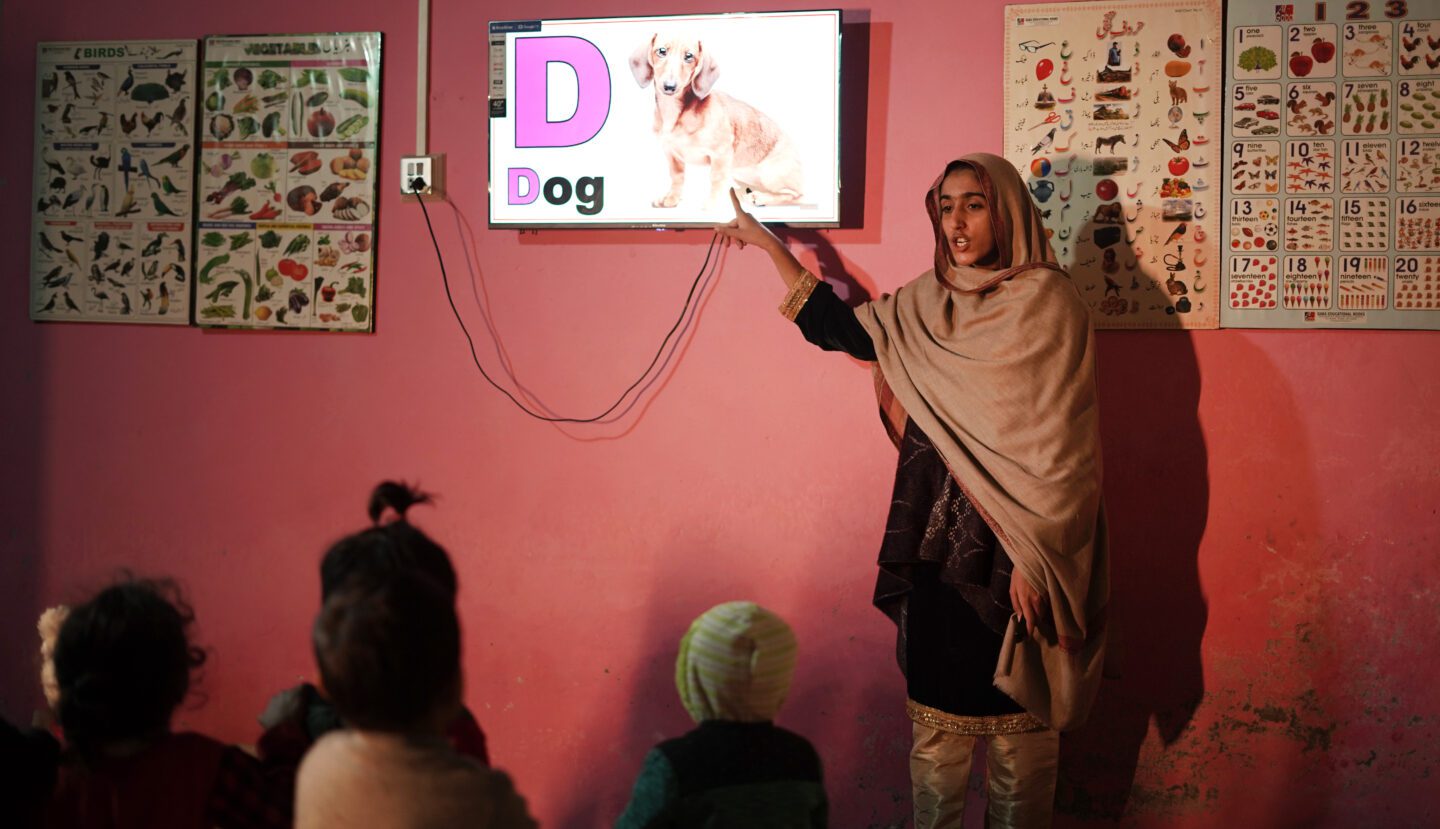
Since becoming operational in September 2025, the centre has been equipped with ten looms and has engaged more than 20 women weavers, with over 30 women registered overall. Women working at the centre receive their wages directly, with daily earnings varying depending on design complexity and productivity. Based on an initial wage assessment conducted by the local STEP team, early analyses indicate that earnings at the centre are above prevailing local market rates for home-based weaving. While still preliminary, the findings suggest that wages can be up to 50 percent higher than local market averages. As the centre is in its early stages and wage structures continue to evolve, this system has already contributed to improved income transparency, greater regularity of payments, and strengthened women’s control over their earnings.
Together, these elements form a model for dignified, income-generating employment in a rural setting where opportunities for women remain limited.
Health, Safety, and Daily Support at the Centre
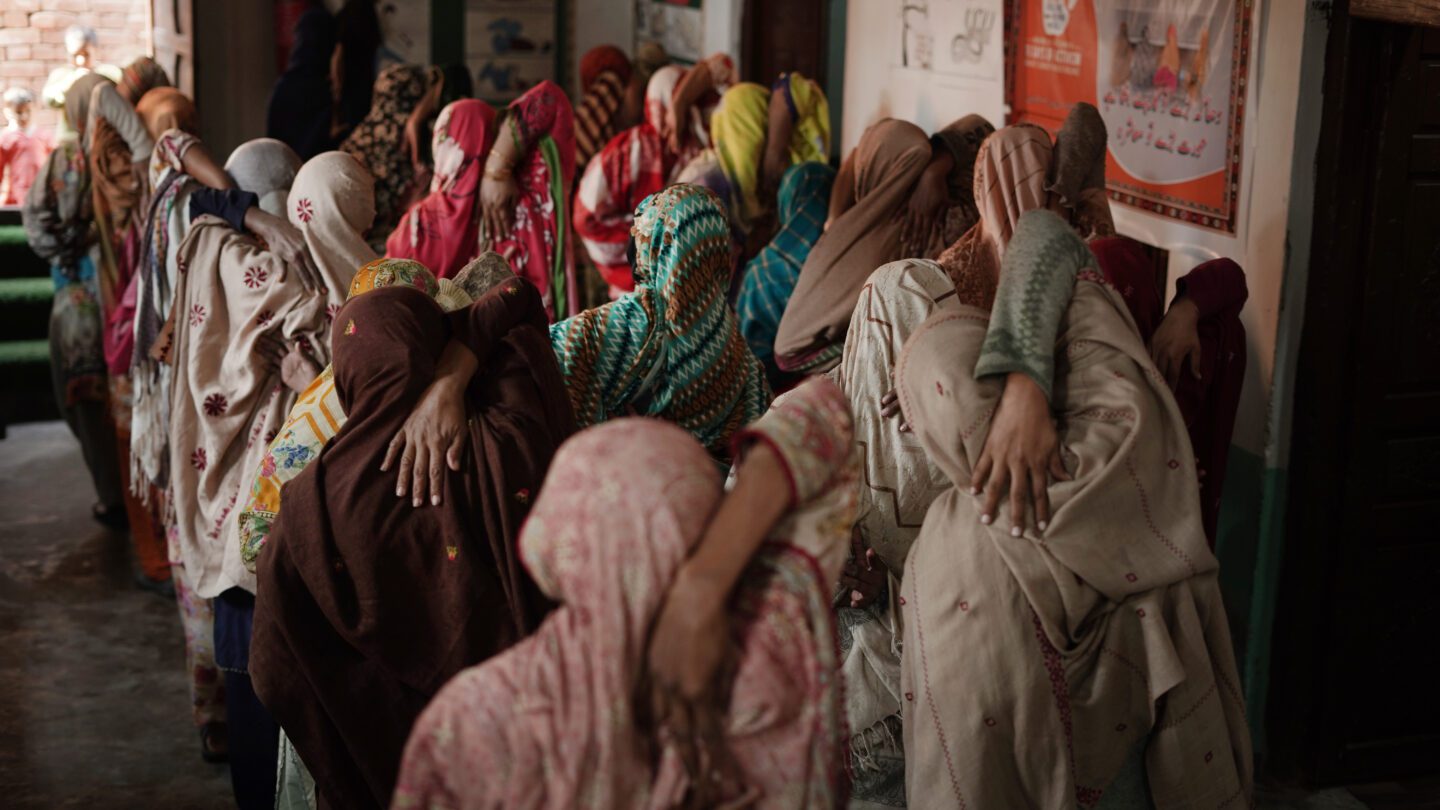
Beyond child care, the Women Weaving Centre integrates basic health and well-being measures into daily operations. Facilities include clean sanitation, access to drinking water, proper lighting and ventilation, and first aid provisions. A female supervisor, appointed through DCHD, is also present at the centre to support women’s daily work and welfare. Alongside overseeing daily operations, she encourages short physiotherapy exercises as part of the workday, helping women reduce physical strain associated with long hours at the loom. This on-site support contributes to a safer and more health-conscious working environment, particularly for women who have spent many years in the craft.
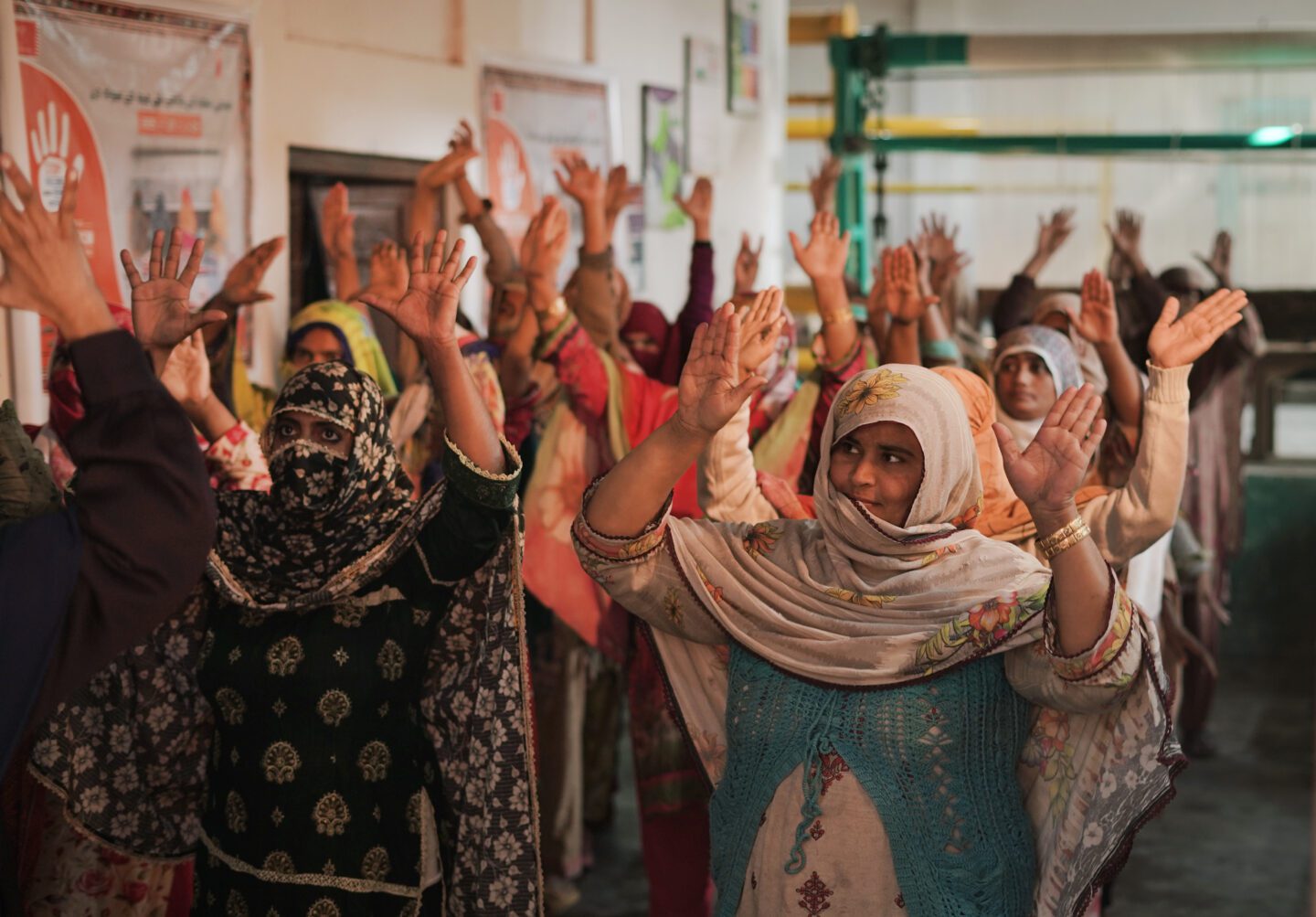
These measures reflect a broader understanding of decent work—one that recognizes health, safety, and physical well-being as essential to sustainable livelihoods, particularly in labour-intensive crafts such as carpet weaving.
Rights Awareness and Community-Based Health Initiatives
In early December 2025, the Women Weaving Centre hosted a combined rights and health initiative organised by Label STEP Pakistan as part of its Weaver Empowerment and Health Support work. The activities were aligned with the global 16 Days of Activism to End Gender-Based Violence, held annually from 25 November to 10 December, and were shaped by priorities raised by women working at the centre.
The day began with a rights awareness session on gender-based violence, attended by 60 women carpet workers, focusing on women’s everyday experiences at home, at work, and online. Delivered in accessible language, the session covered legal protections and reporting mechanisms available in Punjab, with contributions from a legal expert affiliated with the Punjab Commission on the Status of Women.
This was followed by a free medical camp held on-site in collaboration with the medical student-led NGO Ravish. The camp reached 171 participants, including women weavers from the centre, home-based women weavers from the surrounding area, and their children, and provided health check-ups, consultations, and menstrual hygiene awareness. Hygiene kits were distributed in partnership with Empower Through Literacy, a youth-led initiative supported by the University of Central Punjab, reinforcing access to practical health support within the weaving community.
Continuity of Craft: Voices from the Weaving Centre
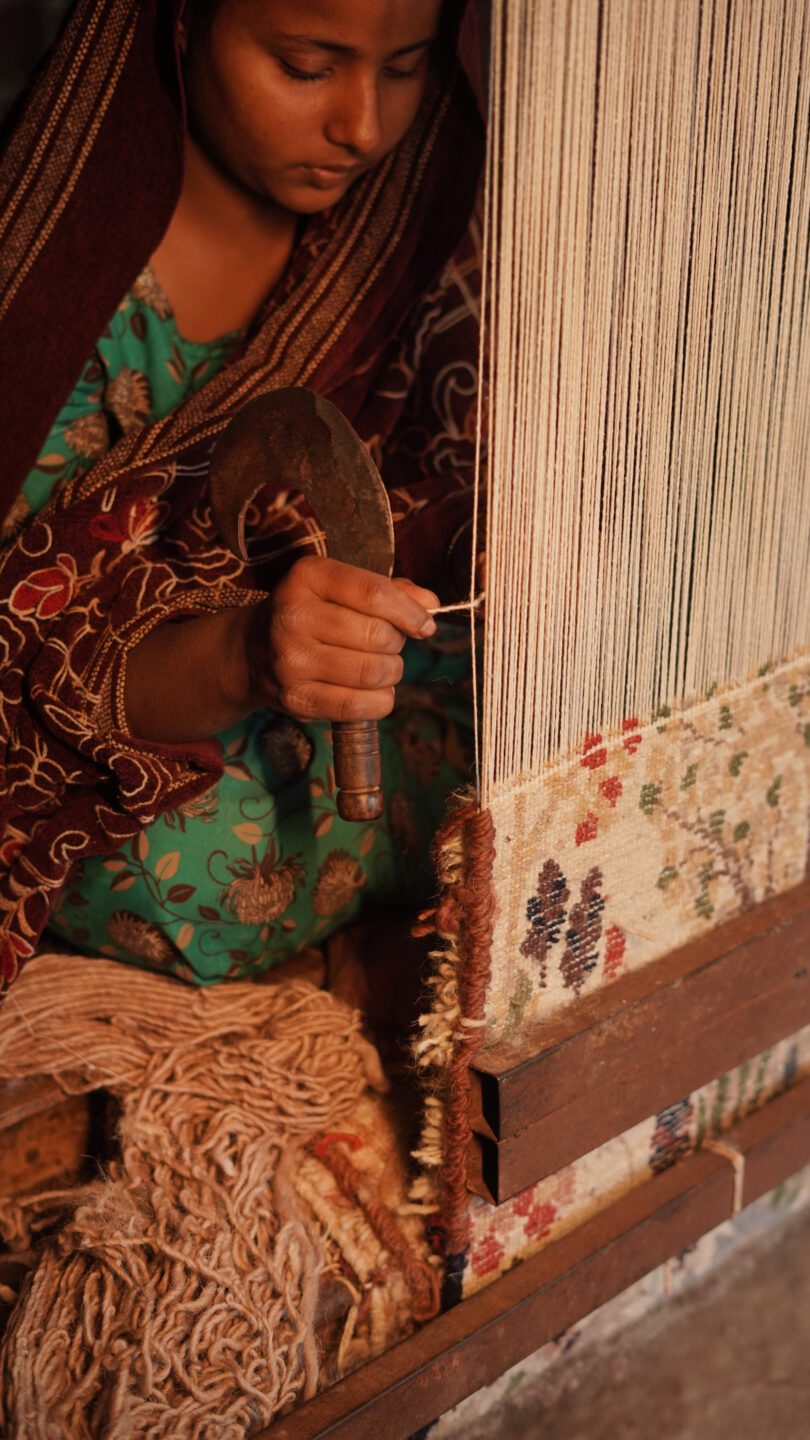
The Women Weaving Centre brings together women whose livelihoods have long been tied to carpet weaving, offering continuity of craft within a more structured and dignified working environment. Among them is Zahida, a 55-year-old master weaver who has spent more than four decades at the loom. Having supported her family through weaving throughout her adult life, she now values the stability the centre provides—allowing her to continue her profession safely and with respect for the realities of women’s lives.
“Working here has reduced the distractions I faced at home, allowing me to focus better on weaving. It has improved both my productivity and my earnings.”
— Zareena, Weaver
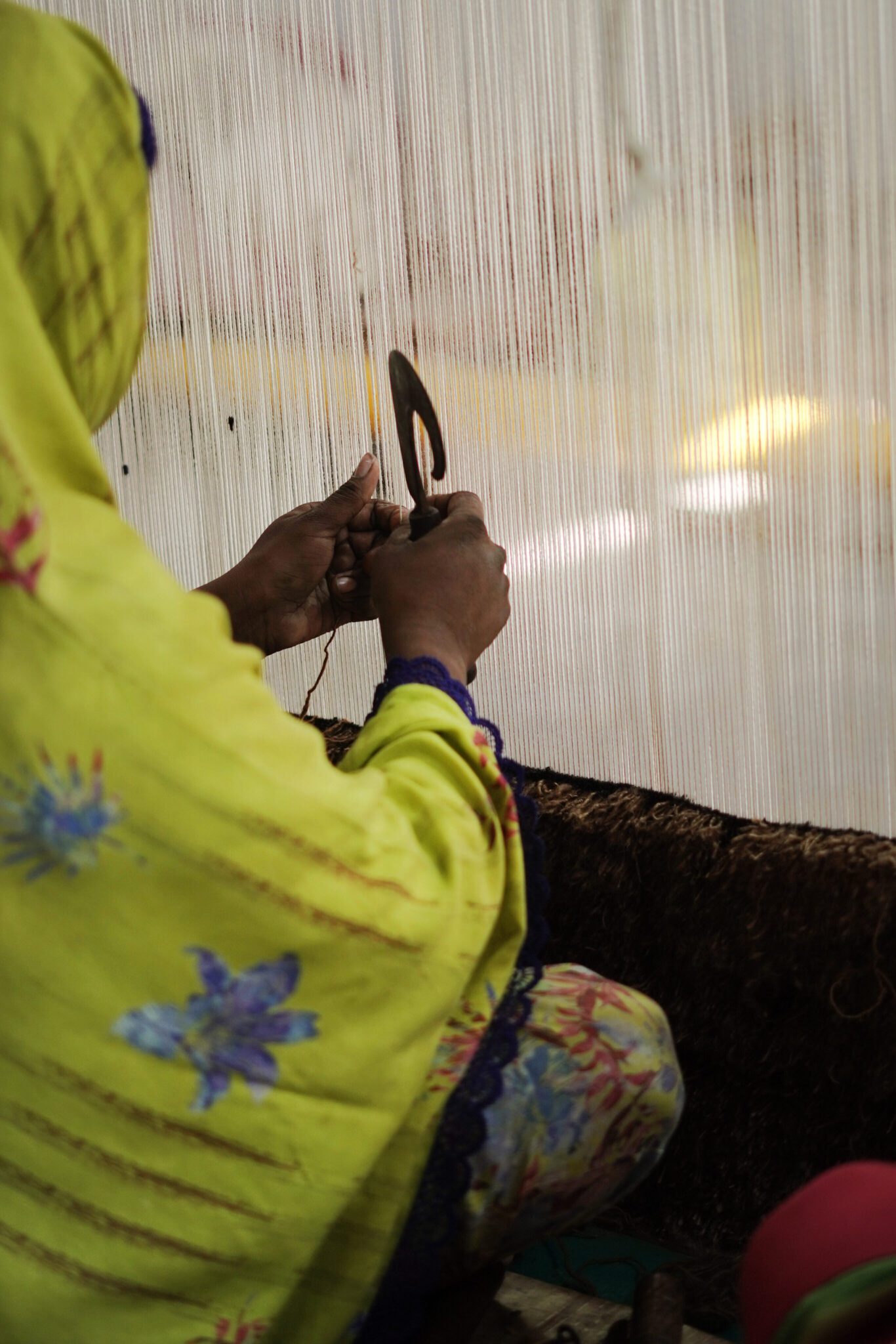
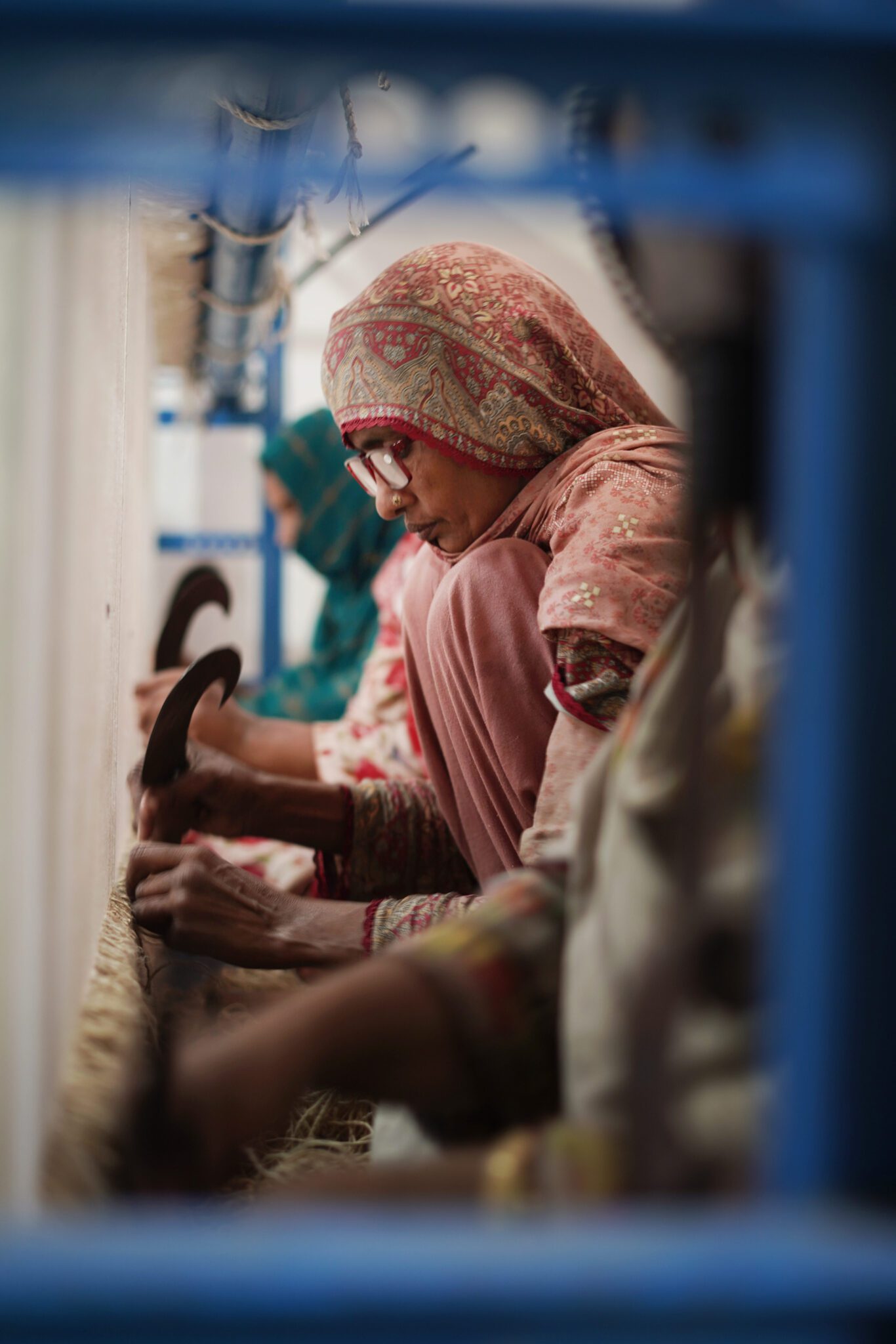
Other women describe similar changes. Maria, who joined the centre recently after 15 years of weaving, notes that working in a shared space free from household interruptions has allowed her to concentrate fully on her work and increase her income, while the on-site child care enables her to work with greater peace of mind. For Kulsoom, a 35-year-old weaver previously working from home, higher and more predictable earnings are complemented by improved physical well-being through regular physiotherapy. Zareena, who has been weaving for more than 16 years and joined the centre at its inception, highlights the impact of structure and collective work, noting: “Working here has reduced the distractions I faced at home, allowing me to focus better on weaving. It has improved both my productivity and my earnings.”
Together, these experiences reflect how the Women Weaving Centre translates principles of decent work into everyday practice—linking fair earnings, health support, and child care within a shared workspace. As supported by Label STEP Pakistan, the centre demonstrates how locally grounded collaboration can strengthen women’s livelihoods while preserving continuity of craft.
A Model for Women-Centred Weaving Work
Across the handmade carpet sector, women weavers continue to face structural challenges linked to informal employment, physical strain, care responsibilities, and limited access to rights-based support. Addressing these issues requires approaches that respond not only to income needs, but to the conditions in which women can work sustainably.
“This is a future-oriented, system-building initiative that supports women in transitioning from home-based labour into dignified, productive, and collaborative working environments, while strengthening the long-term sustainability of the carpet sector.”
— Tanveer Jahan, Country Representative, Label STEP Pakistan
The Women Weaving Centre offers one such approach.. Shaped through collaboration between local organisations, women workers, and a student-led initiative, the model demonstrates how rights-based principles can be translated into everyday working practice. As described by STEP Pakistan Country Representative Tanveer Jahan, the initiative is conceived as a “future-oriented, system-building” approach that helps women transition from home-based labour into dignified, productive, and collaborative working environments, while strengthening the long-term sustainability of the carpet sector.
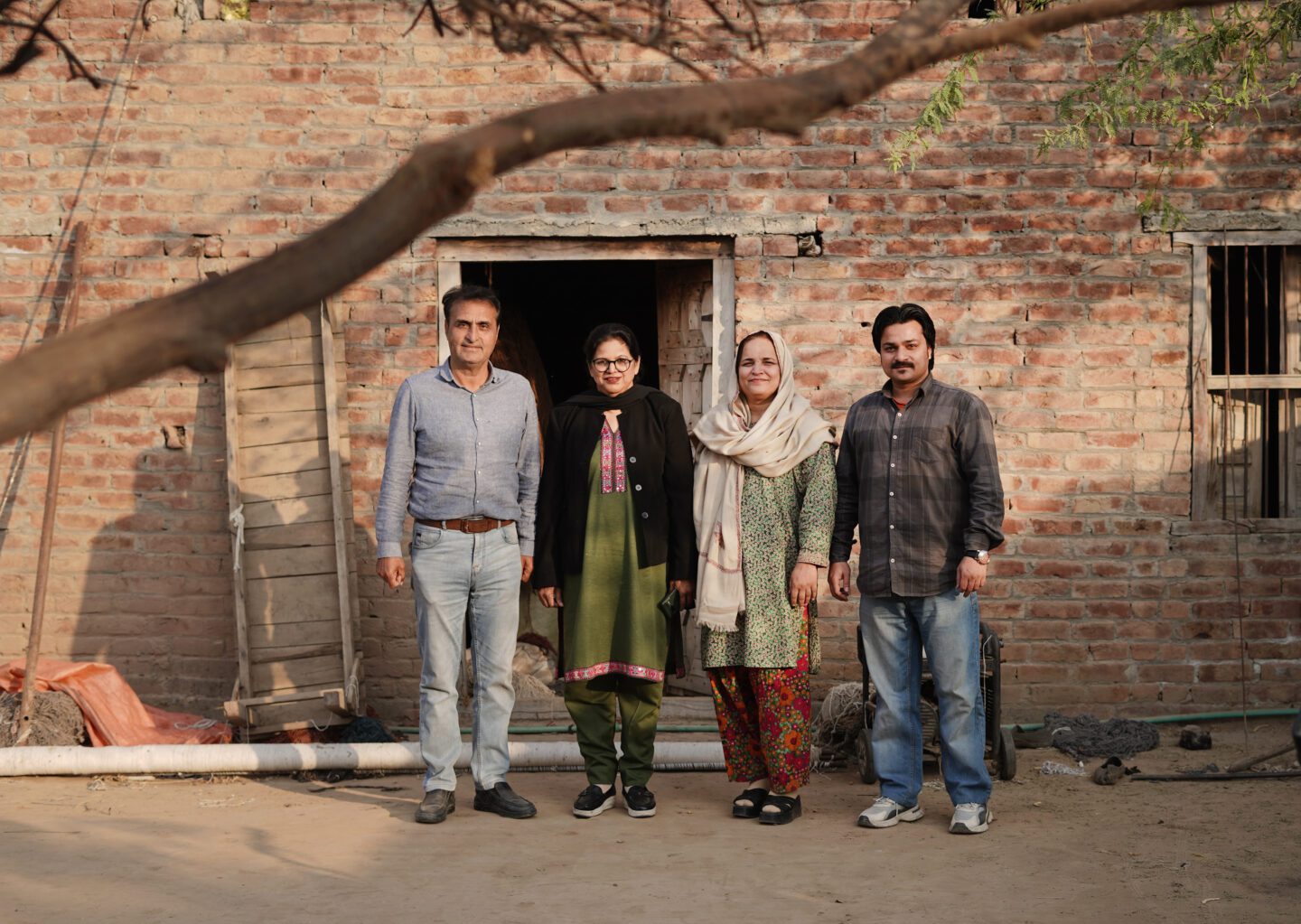
In a country where carpet weaving remains a key export industry and a vital source of income for thousands of women, initiatives like this point toward scalable ways to strengthen working conditions while placing women’s rights and sector resilience at the centre. They also respond to a growing challenge within the industry, as producers increasingly struggle to find male weavers, helping to secure the next generation of skilled workers needed to sustain carpet production.

